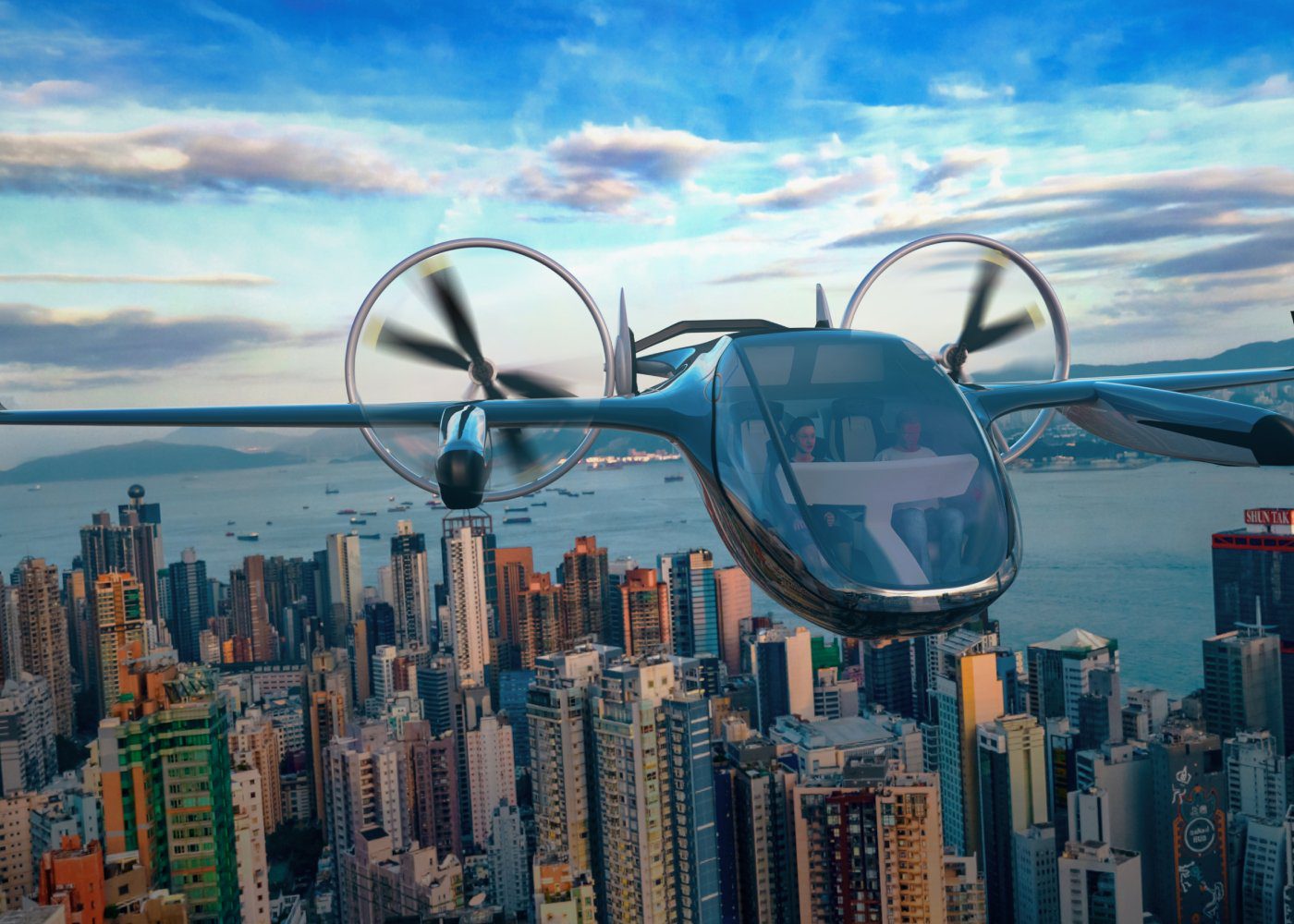

Houston is notorious for its sprawling infrastructure and equally notorious traffic jams. Because of this, the city has always sought ways to conquer its mobility problem. Today, the answer seems to be coming not from the roads, but from the sky. The aerial mobility revolution, driven by electric vertical takeoff and landing (eVTOL) aircraft, is no longer science fiction—it’s an engineering project, and Houston is one of the world’s primary testing grounds. Read on for the latest developments in this sector at i-houston.com.
The Strategic Choice: Why Houston?
The Texas metropolis is the perfect candidate for implementing air taxis for several reasons. First, it’s a global center for the energy and aerospace industries, providing the necessary technical foundation and a highly skilled workforce. Second, it’s a city with critically high traffic congestion. For example, a commute from the suburbs to the office center often takes more than an hour, making high-speed air transport incredibly appealing.
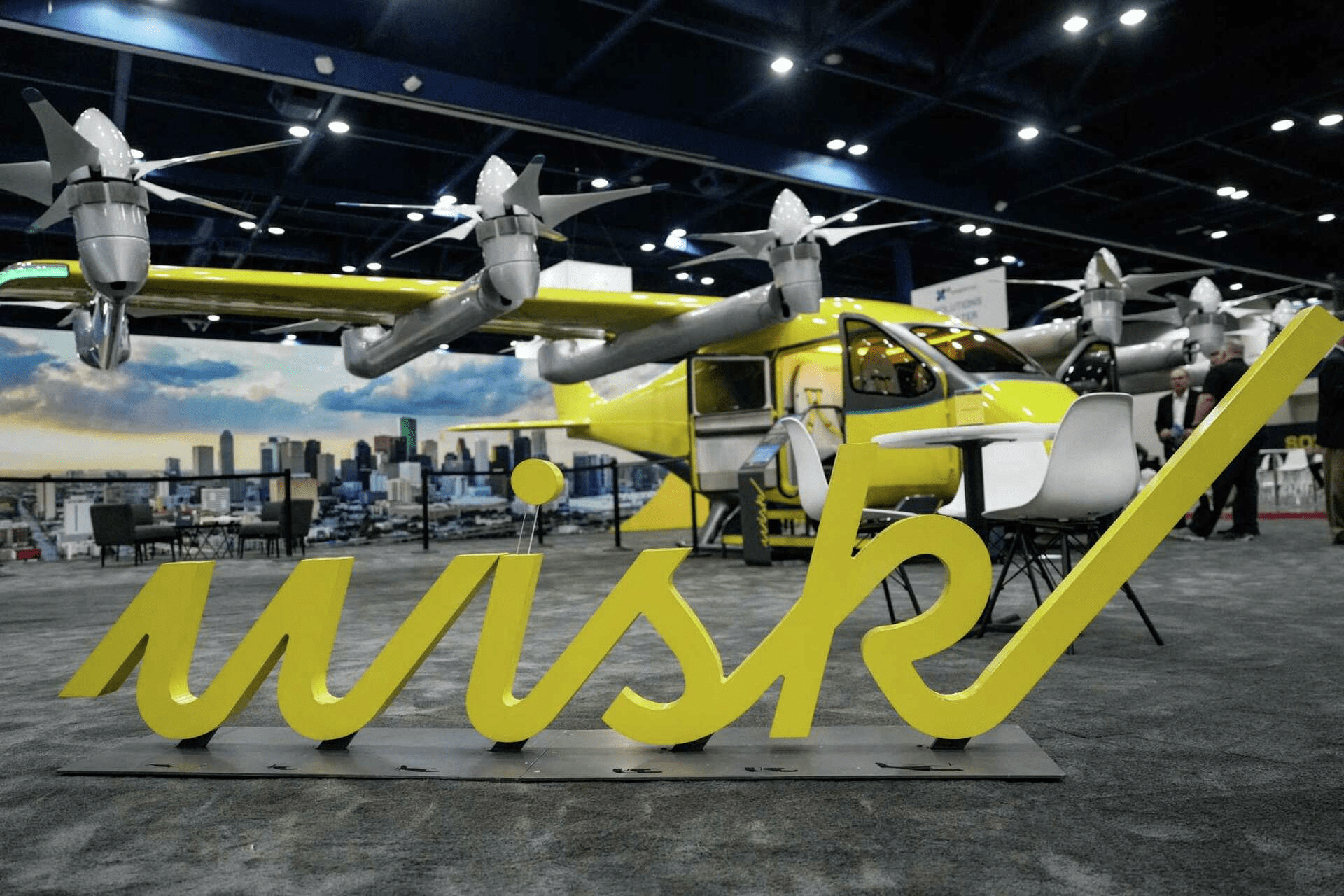
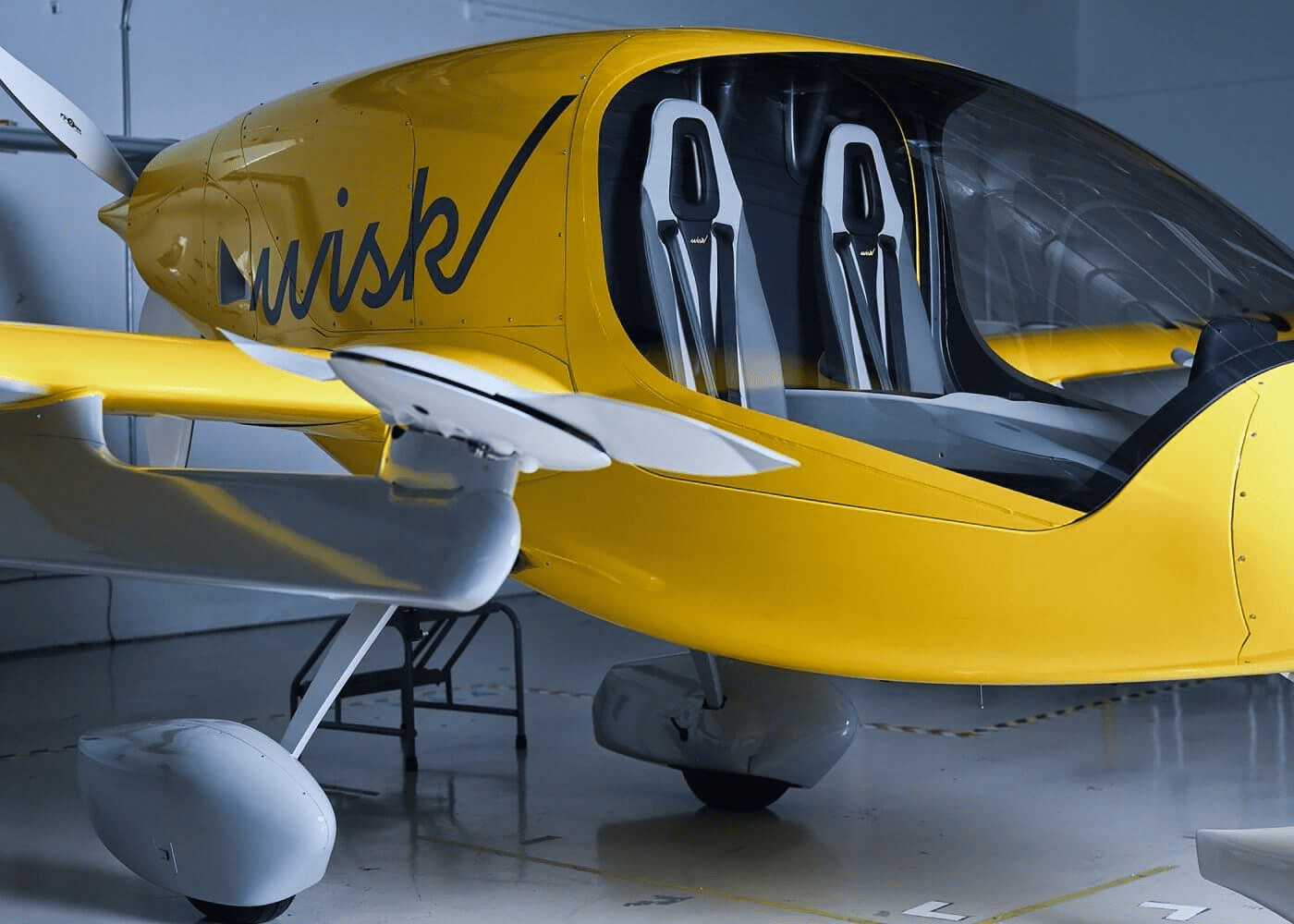
A key player in this process is Wisk Aero, a subsidiary of aviation giant Boeing. It has selected Houston, Los Angeles, and Miami as its first markets for commercial launch.
Collaboration Highlights
- Airport Partnership. The Houston Airport System signed a Memorandum of Understanding with Wisk to identify and develop takeoff and landing sites—vertiports—at its three major airfields: George H. W. Bush Intercontinental (IAH), William P. Hobby (HOU), and Ellington (EFD).
- Regional Network. Beyond the major airports, Wisk has an agreement with the city of Sugar Land to expand the network, planning to connect remote business centers and residential areas to the central hubs. This suggests an intention to make the service not just premium, but accessible for daily travel.
Technology in Action: What is eVTOL?
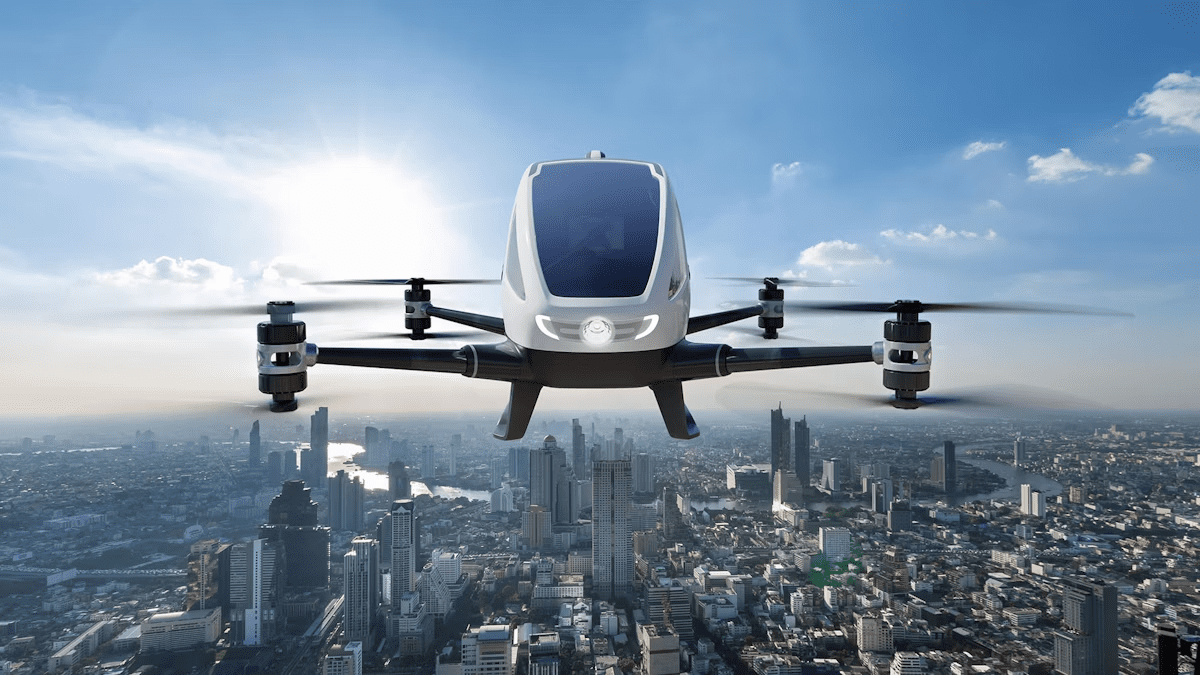
eVTOL aircraft are not just small helicopters. They represent a new generation of electric-powered aviation.
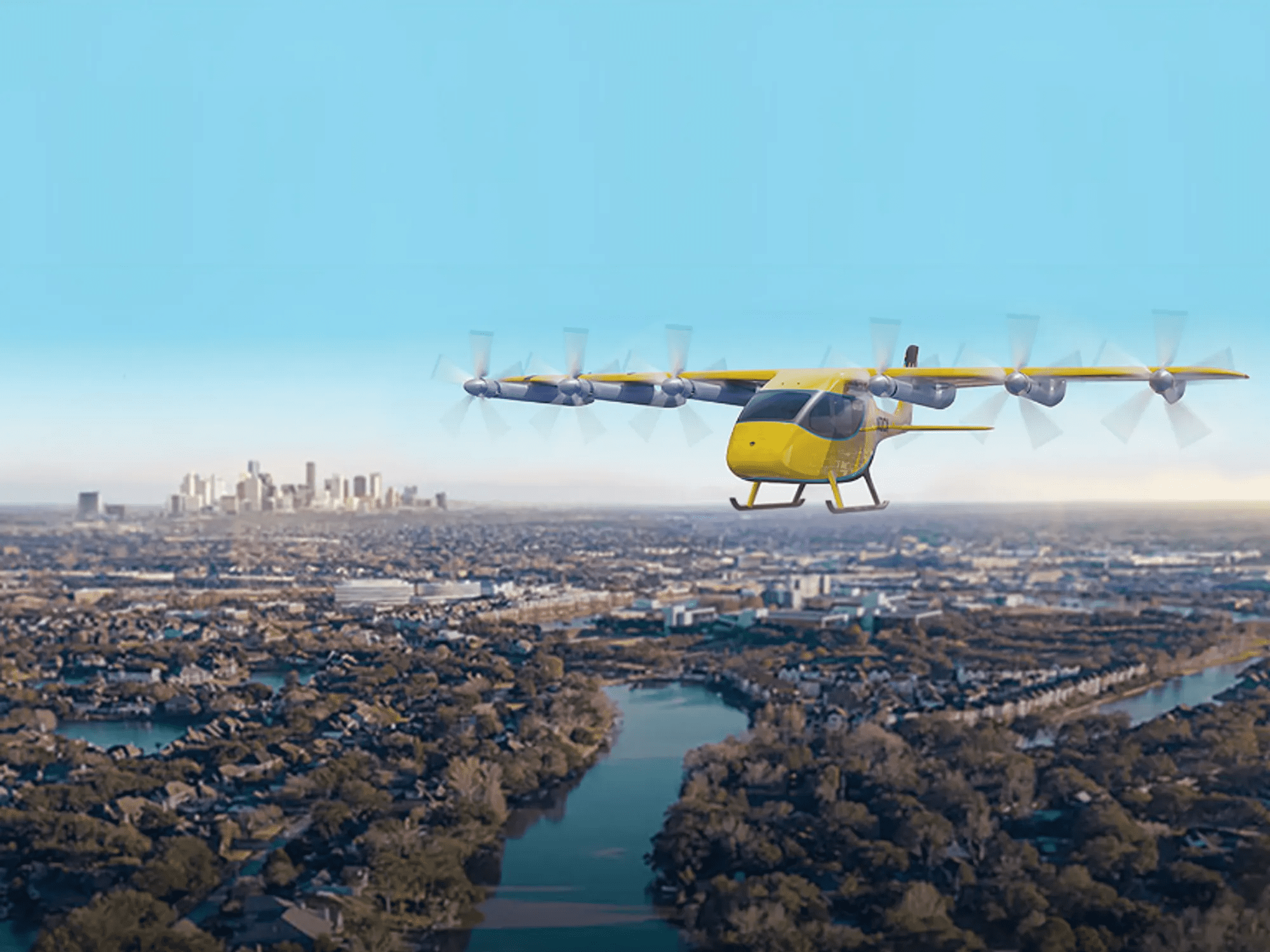
Wisk Aero is developing its Generation 6 aircraft, which has several important distinctions:
- Environmental Component. The all-electric powertrain ensures zero emissions, meeting modern ecological standards.
- Acoustic Comfort. They are significantly quieter than conventional helicopters, which is critical for gaining permission to fly over residential neighborhoods.
- Autonomy. The Wisk aircraft is designed to be self-flying, meaning no pilot is on board, though a human operator will monitor every flight from the ground. This is a strategic move that is expected to substantially lower flight costs in the long term, making them competitive with a standard taxi.
Proposed routes aim directly at solving the road infrastructure problem—for instance, a route from central Houston to Downtown that could be completed in mere minutes instead of an hour stuck in traffic.
The Revolution’s Horizon: When Will Houstonians Take Flight?
Despite significant investment and ambitious plans, the commercial launch of air taxis must overcome considerable obstacles before residents can fly to work daily.
| Phase | Challenge | Expected Timeline |
| Regulatory | Certification of autonomous eVTOLs by the U.S. Federal Aviation Administration (FAA). This is the longest phase. | By 2028–2030 |
| Infrastructure | Building a city-wide network of vertiports in business centers and suburbs. | Actively under development |
| Commercialization | Lowering flight costs to achieve mass market demand. | Post-2030 |
Given these challenges, initial services will likely focus on premium, high-value trips, such as transporting passengers from the airport to the business center. However, Wisk’s goal is to make the service accessible to a broader consumer base. Estimates suggest that if just 1% of passengers using ground transportation to IAH switch to eVTOLs, it would generate high demand for 50+ flights daily.
The Roadmap: How Will Air Taxis Integrate?
The true “lift-off” of eVTOL taxis in Houston will happen in two distinct phases, each dependent on solving fundamental challenges.
Phase One: The Premium Service
In the initial phase of air taxi implementation in Houston, services will inevitably be limited, expensive, and focused exclusively on the highest-demand routes. This is due to both regulatory and infrastructural hurdles.
The main obstacle remains FAA certification. Developers like Wisk Aero must obtain two critical authorizations from the FAA: a type certificate for the aircraft itself and an operator certificate for commercial operations. Since Wisk aims to certify a fully autonomous aircraft (pilotless), this process is projected to be significantly longer than for competitor piloted eVTOLs.
Due to these regulatory roadblocks and high investment costs, the infrastructure will be limited. Flights will only occur between a few key points where special vertiports have been built or converted. These will likely be the highest-traffic connections: Airport–City Center (e.g., IAH to Downtown) or Business Center–Key Suburb (e.g., the Energy Corridor to Sugar Land). Consequently, the starting price of a trip will be extremely high to recoup the billions invested in research, development, and infrastructure expansion. At this stage, this mode of transport won’t compete with standard ground taxis but with premium services like helicopter charters or expensive limousine services.
Public Transit in the Sky: Mass Availability
For air taxis to become a mass transportation option, three major challenges must be overcome, requiring not just technological success but deep integration.
First, large-scale vertiport deployment is necessary. Daily commuting requires a vast network of landing pads on skyscraper rooftops and near business centers. This is a complex infrastructure and engineering barrier that also involves creating powerful rapid-charging stations.
Second, the key to lower prices is autonomy. Wisk’s decision to use pilotless aircraft is a strategic determinant, as it will drastically reduce operating expenses (pilot salaries) eventually. The continuous reduction in battery costs and increase in their efficiency will also directly impact the final consumer price.
Finally, mass launch depends on public and regulatory acceptance. A new, highly automated Unmanned Traffic Management (UTM) system must be developed for the lower airspace. This system must safely coordinate hundreds of eVTOL flights alongside traditional aviation. Furthermore, the public must adapt to the new soundscape, requiring effective communication regarding noise levels.
Houston’s Skies Await
The aerial mobility revolution in Houston is an inevitable prospect, backed by significant investment and strategic collaboration between the city, its airports, and leading tech companies. Given its chronic traffic and status as an aerospace hub, the eVTOL taxi is the ideal answer to the city’s mobility challenges.
However, don’t dream of flying to work daily next year. The realization of this quantum leap depends on many factors.
Houstonians will undoubtedly be flying to work in eVTOL taxis, but mass accessibility for this service, which will fundamentally change daily commuting, is only expected closer to the end of the current decade and the early 2030s. Until then, the “Space City” will focus on creating the air corridors that will one day help it finally leave traffic jams far below.