
Houston, the energy capital of the United States, is constantly balancing its status as an industrial behemoth with its desire to preserve its natural landscape. At the heart of this struggle are its vital water arteries, particularly Buffalo Bayou, which is critical for both the environment and flood control. Pollution in its river systems is a chronic challenge for the metropolis, but the city is actively investing in innovative processes and programs to ensure water quality for its residents and protect the environment. Read more about the fight for conservation and clean water on i-houston.com.
The Legacy of Urbanization
The main complexities of water pollution in the region stem not only from industrial activity but also from the city’s rapid growth and aging infrastructure.
- Stormwater Runoff. Unlike sanitary sewage, rainwater that flows off the streets typically goes untreated. It picks up everything in its path: motor oil, pesticides, fertilizers, household trash, and other harmful components, depositing them directly into the rivers and bayous.
- Chemical Contamination. A large number of unregulated substances—from pharmaceutical residues to household chemicals and salts from softeners—enter the sewer systems. Existing treatment plants are often incapable of removing these micro-pollutants, creating long-term issues.
Modernizing Treatment Plants
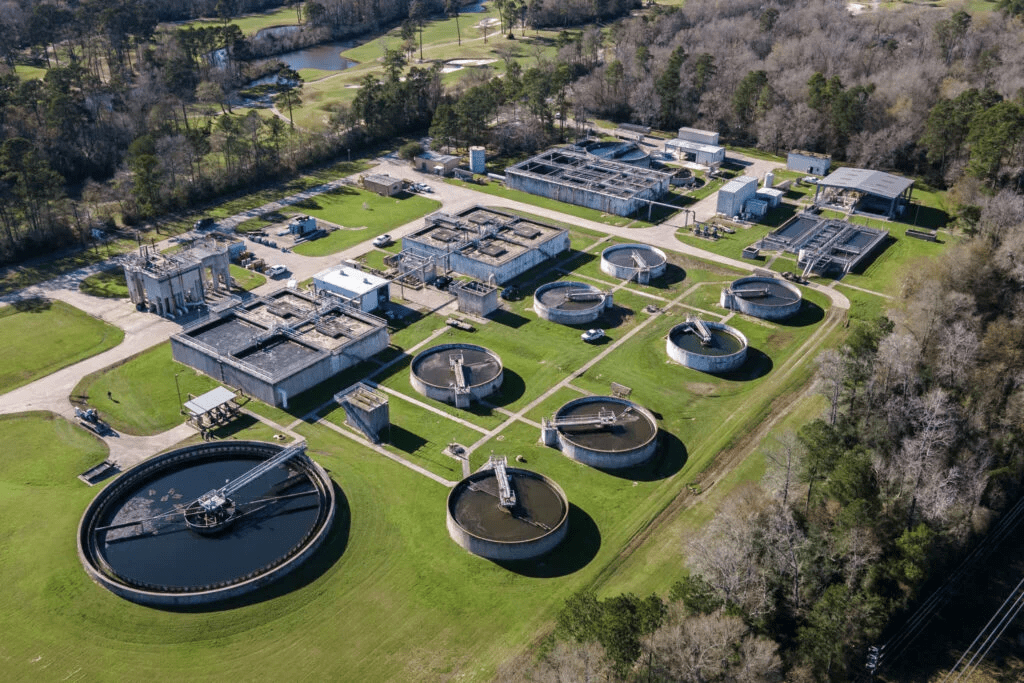
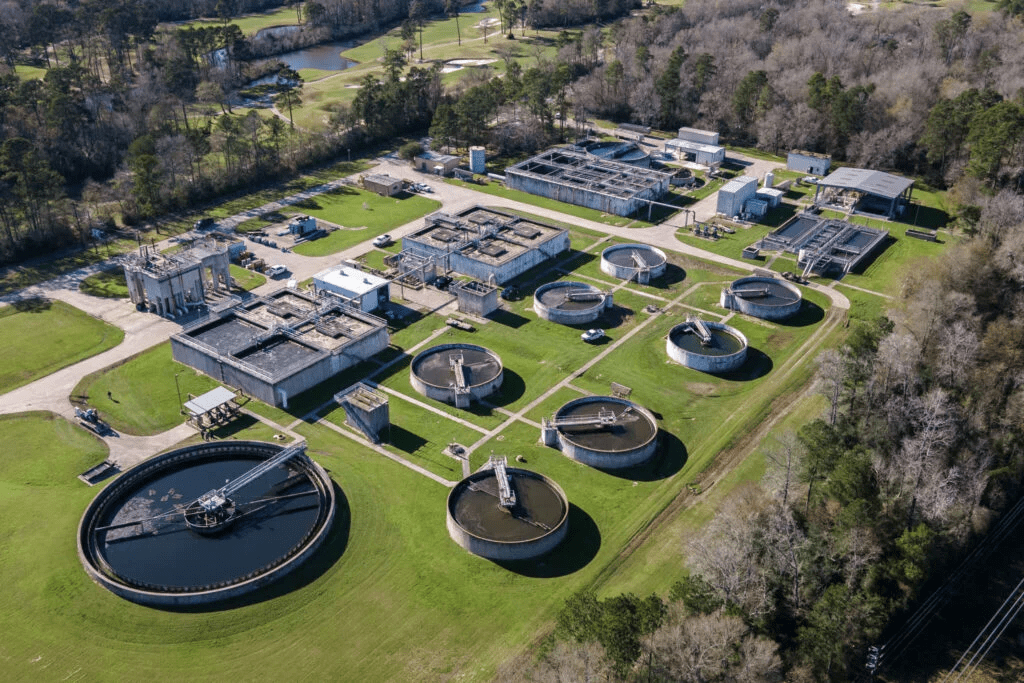
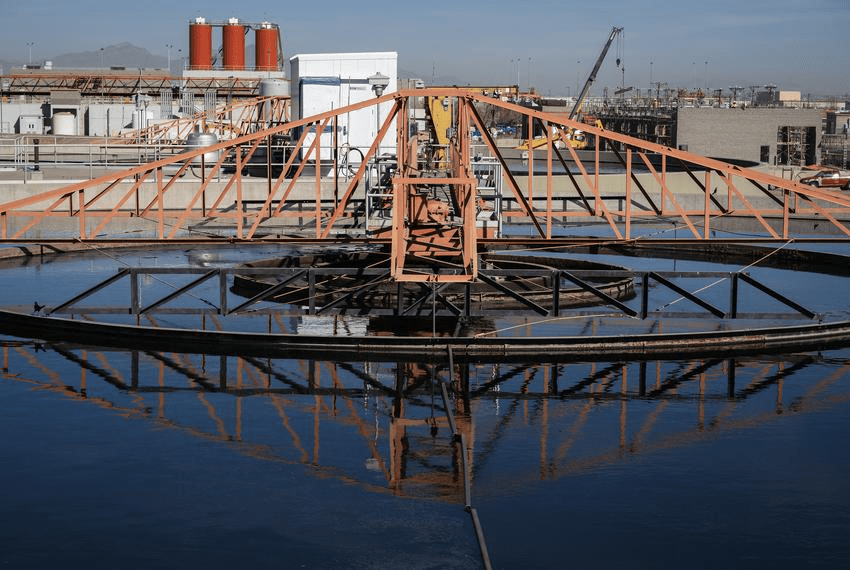
Houston’s water treatment system is a giant, living operation that requires colossal work behind the scenes every day. The city’s Department of Public Works and Engineering manages an astonishing network: 41 treatment plants (five are true giants, and 36 are smaller satellite facilities). Together, they process a staggering 277 million gallons of wastewater daily. This is a vital yet often unseen “medical” process, and the city is now taking serious steps to improve it.
The process wastewater undergoes can be compared to a complex surgery, involving several key stages, each with a critical role.
- Preliminary Treatment, or the “Screening” Phase. First, water arrives at the “receiving point,” where large, unsightly objects—plastics, trash, and other coarse material—are removed using powerful screens. The liquid then moves to special settling tanks, where heavier elements like grit and grease are taken out.
- Biological Treatment, or the “Microscopic Army” Phase. This is the most fascinating part of the process. Activated sludge comes into play—a real army of billions of microorganisms. These tiny “biological eaters” consume and break down the organic pollutants remaining in the water. This phase is critically important for eliminating the majority of organic matter, converting harmful substances into safe compounds.
- Disinfection, or the “Final Safety” Phase. Finally, the treated water, which is already largely up to standard, is disinfected. This is the final safety act. To destroy any surviving pathogens, ultraviolet (UV) light is used—a safe, though expensive, method. Traditional chlorination is used less often but is still an option. Only after this “cure” is the water clean enough to be returned to the environment.
Innovative Technologies for Industry
Local businesses, especially in the oil and gas sector, require specialized solutions to handle industrial wastewater. This is necessary to fully comply with very strict government regulations. Companies in Houston are employing cutting-edge methods for environmental safety.
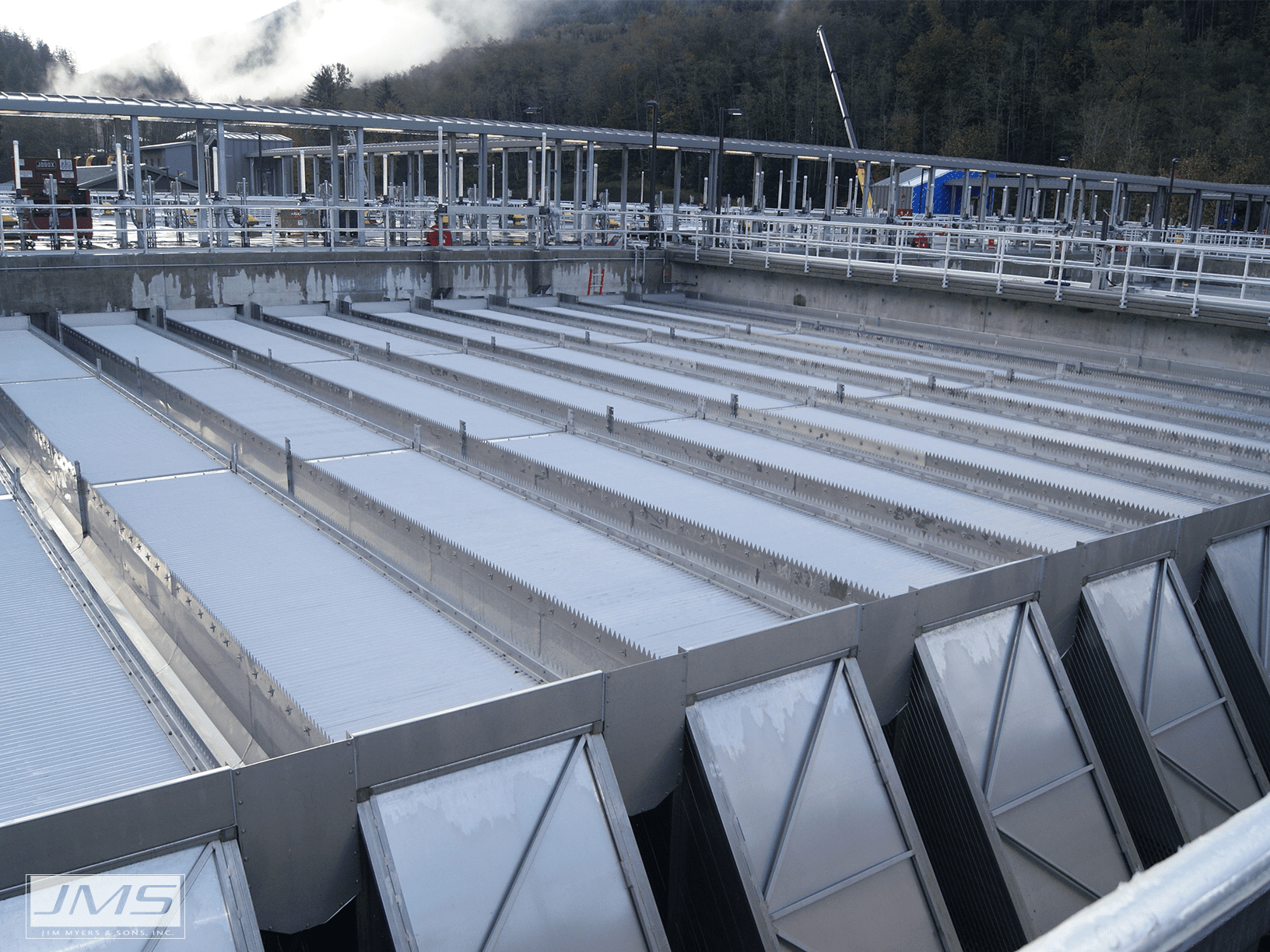
One key area is membrane technologies. This is a true innovative breakthrough. Ultra-thin membranes are used for microfiltration, ultrafiltration, and reverse osmosis. These physical barriers are effective at removing bacteria and viruses. They also trap heavy metals. Even some dissolved salts are successfully removed. This provides an exceptionally high degree of water purity.
Another vital approach is advanced oxidation processes (AOPs). These methods use powerful chemical reagents, such as ozone or hydrogen peroxide. UV light is sometimes applied as well. The goal is to generate highly reactive radicals. These act as strong destructors. The radicals break down persistent organic pollutants at the molecular level, converting them into less harmful, simpler elements. This type of treatment is necessary to combat toxic compounds that are difficult to remove by other means.

Battling Debris in the City’s Key Waterway
Buffalo Bayou, which serves as a crucial drainage path, constantly suffers from plastic and other debris carried by stormwater runoff. The Buffalo Bayou Partnership has developed targeted cleanup programs that have been operating since 2002.
The team works daily to collect trash from the river’s surface and banks. A key tool is the Bayou-Vac—an industrial vessel that literally vacuums floating debris from the water’s surface, significantly boosting cleaning efficiency. In 2024, the organization removed over 2,000 cubic yards (ca. 1,529 m³) of waste—a volume equivalent to approximately 167 commercial dump trucks.
Resilience Strategy and “Green” Infrastructure
Houston’s authorities recognize that traditional engineering solutions, such as concrete channels and pump stations, are insufficient to combat extreme climate challenges. In response to the growing problem of devastating floods and environmental degradation, the city developed a comprehensive strategy called “Resilient Houston.” This plan focuses on integrating natural solutions into urban design.
One of the main directions is the preservation of wetlands. Work is actively underway to protect and restore prairies and marshes to the west and northwest of Harris County. These natural areas function as giant natural “sponges.” They can quickly and effectively absorb excess rainwater during heavy downpours, preventing immediate city flooding. Furthermore, these wetlands serve as biological filters, naturally purifying the water before it enters local streams.
In parallel, city codes are implementing a mechanism for detention ponds. Developers are now mandated to create these special reservoirs on new sites. The goal is to control the volume of water entering the local bayous. The ponds prevent water from newly developed areas from immediately rushing into the river system. Instead, the water is gradually released in controlled amounts. This significantly reduces the peak load on the city’s water systems, which is a key factor in lowering the overall flood risk in Houston.
Despite significant efforts, the city faces several acute challenges that require billions in investment and time.
- Aging Infrastructure. Old lead water lines pose a risk to drinking water quality. The city is actively implementing programs for free water testing and pipe replacement.
- Salt Intrusion. Domestic and industrial wastewater increases the concentration of salts in water bodies. Modern treatment systems are not economically capable of effectively removing these dissolved salts, negatively affecting sensitive ecosystems.
Through continuous investment and the use of a multifaceted approach—from engineering modernization to ecological planning—Houston demonstrates its commitment to protecting its water resources. Residents understand that true resilience depends on the health of their rivers.