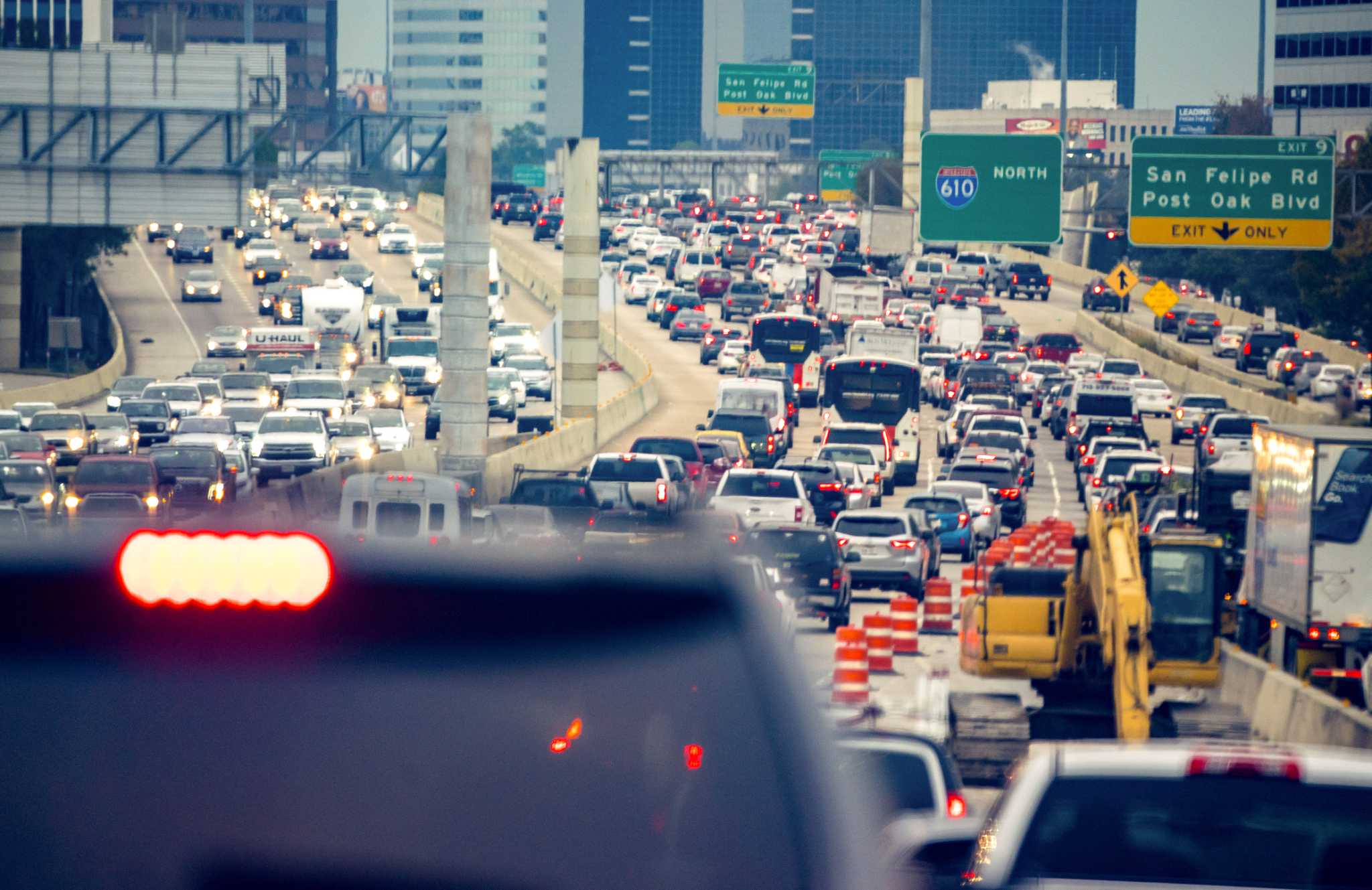

Houston, the largest city in Texas, is a prime example of how the automobile has become more than just a means of transportation; it’s a central element shaping social interactions, leisure, art, parades, and the very urban landscape. In Houston, car culture isn’t just “road stories”—it’s a fundamental aspect of life that reflects the values, habits, and aspirations of its residents. Let’s take a closer look at how cars influence various aspects of life in Houston on i-houston.
The Automobile as a Defining Factor in Social Interactions
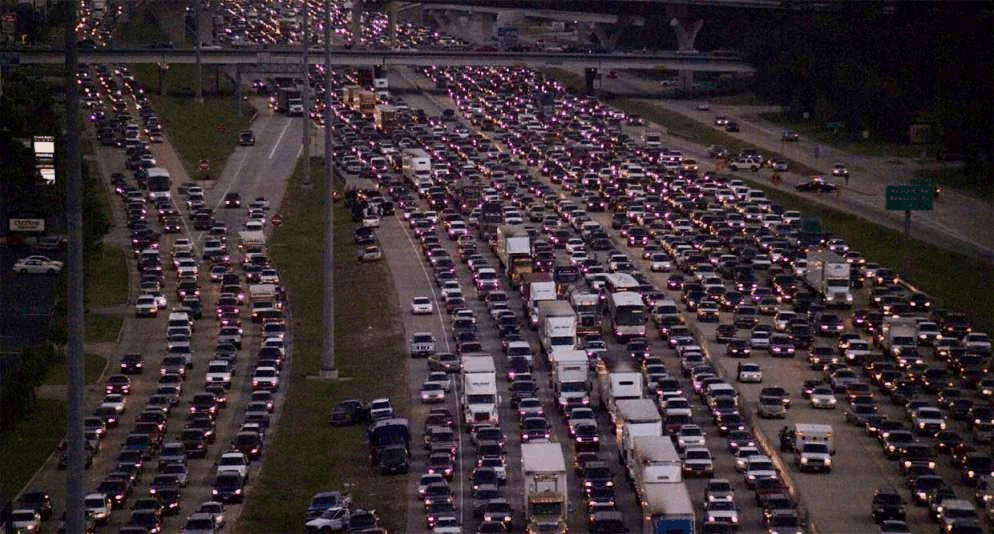
In Houston, where public transit is less developed than in other major U.S. cities, a personal car is the primary means of communication. The vast distances between neighborhoods and low population density make a car essential for visiting friends and family, commuting to work, or reaching leisure spots. This often means social plans are made with travel time and parking availability in mind.
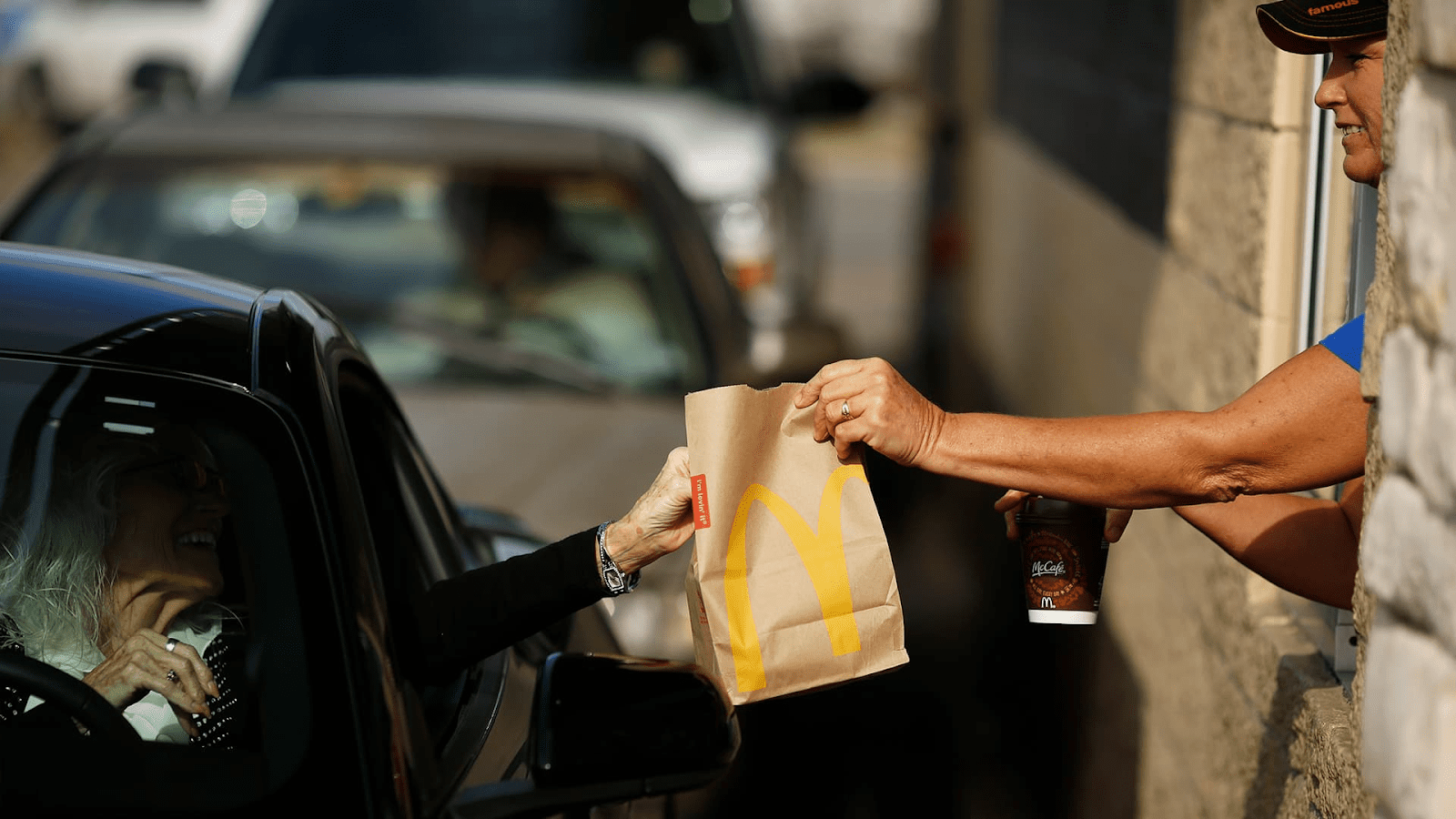
Houston is an epicenter of “Drive-Thru Culture.” From coffee to fast food, pharmacies to banks—many services are accessible without ever leaving your vehicle. This reflects a desire for convenience and efficiency but also reduces pedestrian interactions. Cars play a central role in Houstonians’ leisure activities. The popularity of drive-in movie theaters and other “drive-in” events, especially during the pandemic, underscores the comfort and privacy they offer. Houston’s location also makes it an excellent starting point for road trips to the Gulf Coast or the Texas countryside.
One of the most vibrant manifestations of Houston’s car culture is “tailgating.” Fans gather in parking lots before sporting events or concerts, grilling food, playing games, and socializing, transforming parking areas into communal spaces.
Car Parades, Art, and Shaping the Urban Landscape
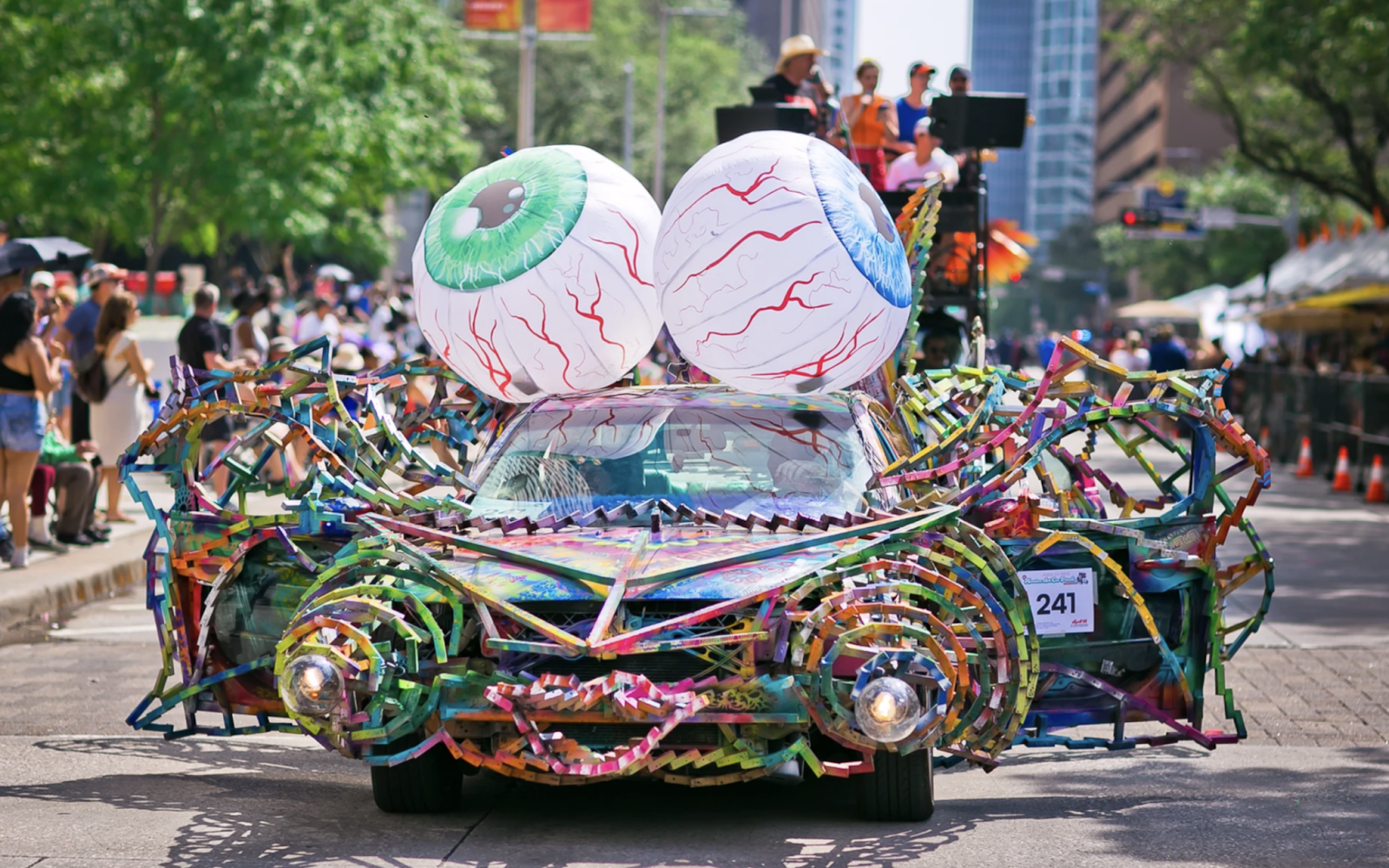
In Houston, personal cars aren’t just for getting around; they’re also canvases for self-expression and objects of art. The city is famous for its car parades and exhibitions. From parades celebrating sports victories to annual auto shows showcasing the latest models and concept cars, these events draw thousands of enthusiasts.
One of the most renowned and unique events is the annual “Art Car Parade.” This parade is a celebration of creativity and individuality, where hundreds of vehicles are transformed into moving works of art. It demonstrates how an ordinary car becomes a medium for self-expression and an artistic platform. Many city residents invest significant effort and money into modifying their “rides”—from unique paint jobs and rims to powerful audio systems and lowered suspensions. This isn’t just a display of wealth but a way to express one’s personality and belonging to a specific subculture.
The impact of the automobile on Houston’s urban landscape is profound and pervasive. Here are a few key factors:
- Wide Roads and Freeways: Houston is known for its extensive network of multi-lane freeways that crisscross the city. These freeways are the main arteries ensuring the movement of residents and goods.
- Parking: A vast number of parking lots—from multi-story garages to open-air spaces—is a characteristic feature of Houston. The necessity of providing parking for millions of vehicles influences building density and land use.
- Urban Sprawl: The reliance on cars has contributed to Houston’s “urban sprawl.” People can live significant distances from work, relying on their cars for daily commutes.
- Lack of Pedestrian Infrastructure: In many areas of Houston, pedestrian infrastructure is underdeveloped, making walking inconvenient.
Challenges and Prospects
While car culture is an integral part of Houston’s identity, it also presents certain challenges.
| Aspect | Description of Car Culture’s Impact |
| Traffic Congestion | Houston consistently ranks among U.S. cities with the worst traffic congestion, leading to lost time and increased stress levels. |
| Air Pollution | The high volume of traffic is a significant source of air pollution. |
| Oil Dependence | While Houston’s economy is diversified, it has historically been strongly linked to the oil and gas industry, highlighting the city’s dependence on logistical means. |
These issues pose potentially catastrophic consequences. Therefore, efforts are being made at all levels to address these problems. Recently, there’s been growing awareness in Houston of the need to develop public transportation and cycling infrastructure, and create more pedestrian-friendly areas. This indicates gradual shifts in urban policy and mindset.

In Conclusion
Houston’s car culture is far more than just “road stories.” It’s a mirror of the city’s lifestyle, reflecting its pursuit of convenience, individuality, and grandeur. The automobile influences how people socialize, spend their free time, express themselves through art, and how their city looks. While such deep integration of cars presents certain challenges, it also shapes Houston’s unique character, which continues to evolve, seeking a balance between its automotive heritage and the aspiration for a more sustainable future.