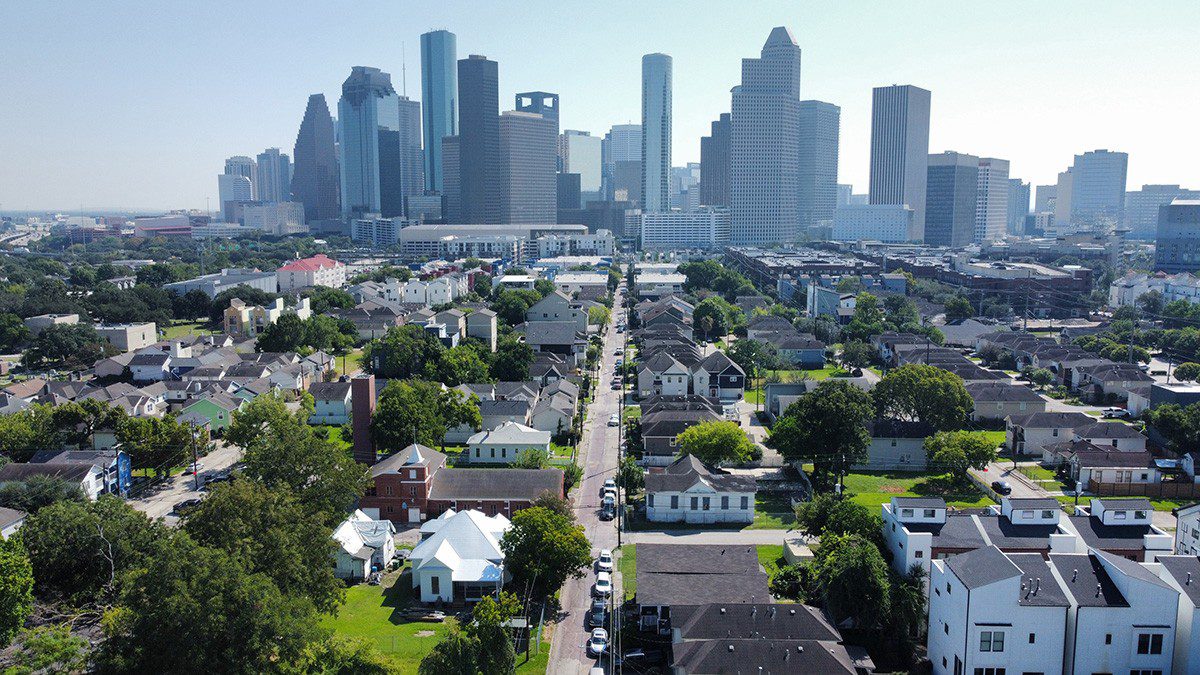

Houston often gets underestimated as a vibrant center for rich and diverse cultural life. Beyond its world-renowned museums and theaters lies a whole world of lesser-known yet incredibly fascinating cultural hubs and communities that will impress you with their unique character and vitality. These hidden gems are true treasures just waiting for those ready to explore. So, if you’re ready to be surprised by Houston’s underrated but truly remarkable artistic jewels, join us on i-houston.
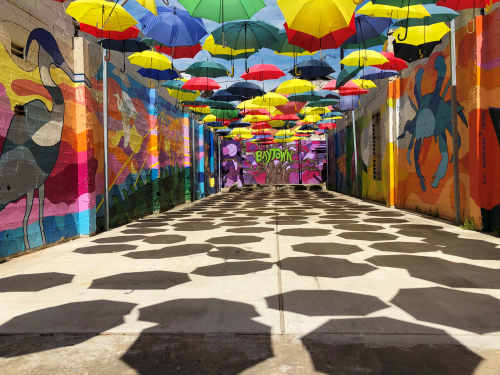
Uncovering Houston’s Multifaceted Identity
It’s no secret that Houston is one of the most ethnically diverse cities in the United States. This multiculturalism is the driving force behind unique cultural spaces that often don’t make it into tourist guidebooks. Locals, immigrants, and artists come together, creating centers where traditions are preserved, new ideas are born, and creativity thrives. Here are just a few examples of these amazing places that underscore Houston’s cultural depth.
Arthouse Galleries and Studios in the East End
Houston’s East End is a neighborhood often overshadowed by the gleaming neon signs of the Museum District. But it’s right here, among historic buildings, former industrial warehouses, and residential homes, that the city’s true, somewhat raw yet no less vibrant, artistic heart beats. These aren’t pristine museum halls with perfect lighting and climate control; rather, they are arthouse galleries and studios that bear witness to Houston’s lively, often experimental, art scene.
To truly appreciate the East End, it’s important to understand its distinct character. Here, art isn’t just displayed; it’s born. These are working spaces where artists spend long hours creating their pieces. This means you might not always see perfectly curated exhibits. Instead, you’ll likely encounter:
- Raw, unfinished spaces. Many galleries and studios are located in renovated or partially renovated industrial buildings. This creates a unique atmosphere, but don’t expect glossy minimalism. Walls might not be perfectly painted, and floors could be worn. This is part of their charm and authenticity.
- Creative chaos. Stepping into an artist’s studio, you might see scattered tools, brushes in jars, palettes with dried paint, and unfinished works. This isn’t a sign of disarray but rather evidence of active creative endeavors.
- Close contact with artists. One of the greatest advantages of the East End is the opportunity to personally interact with the artists. Many are eager to share their ideas, processes, and inspirations. It’s more than just visiting an exhibit; it’s an immersion into the creator’s world.
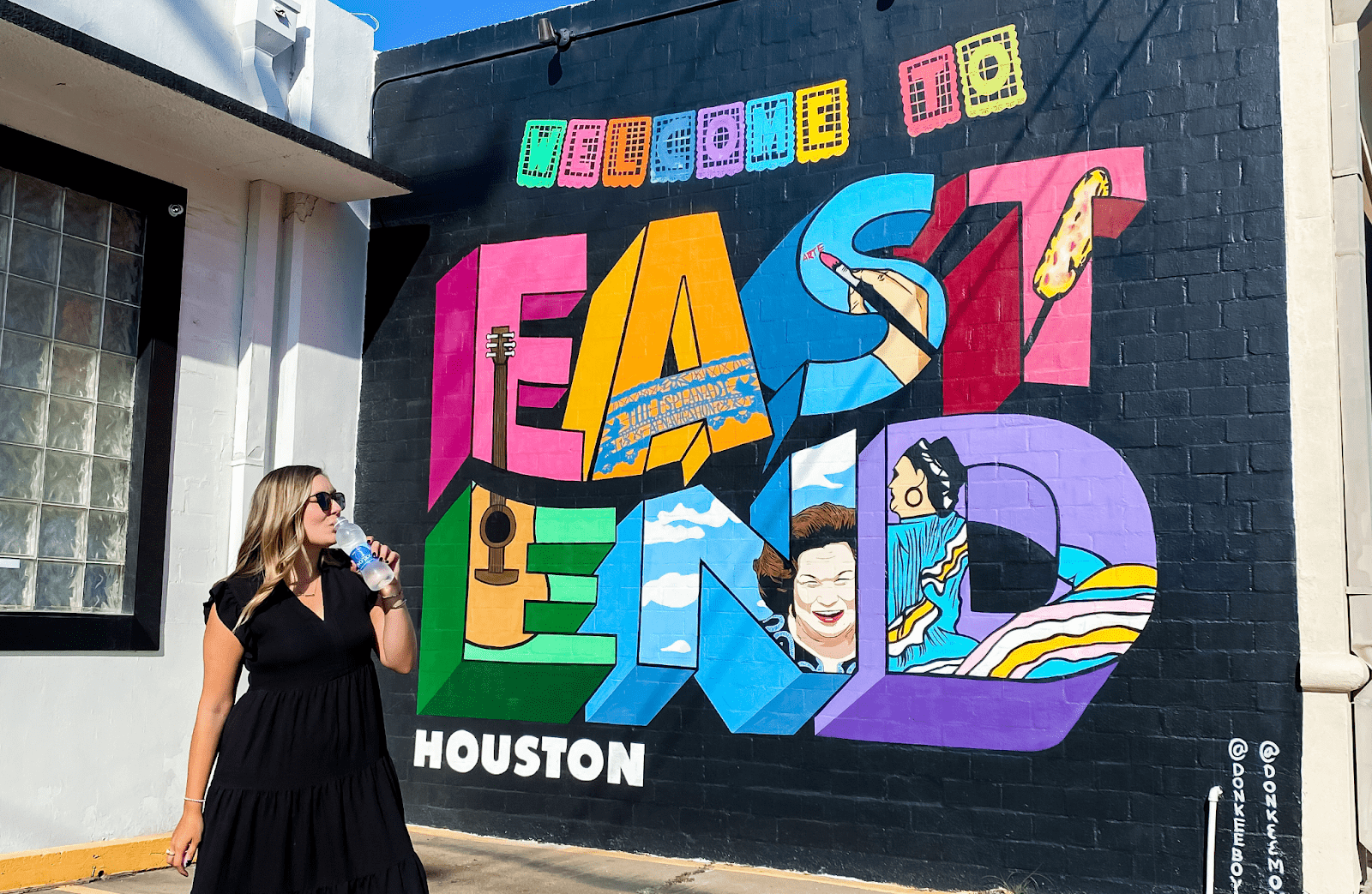
Why the East End Is Worth Your Attention
Despite these unique characteristics, the East End is incredibly valuable to Houston’s cultural landscape. It’s a place where art isn’t a commercialized product but a sincere expression of the creative soul. You’ll find diverse styles, techniques, and media here—from painting and sculpture to installations and digital art. You’re sure to discover something that resonates with you. Many artists who started in the East End later gained recognition on a broader stage. This is your chance to see art “on the rise.”
So, if you’re looking for an honest, authentic, and dynamic experience immersing yourself in Houston’s art scene, the East End definitely deserves your attention. It won’t be a perfectly polished experience, but it will be genuine and leave you with unforgettable impressions.
Vietnamese Cultural Center in Midtown
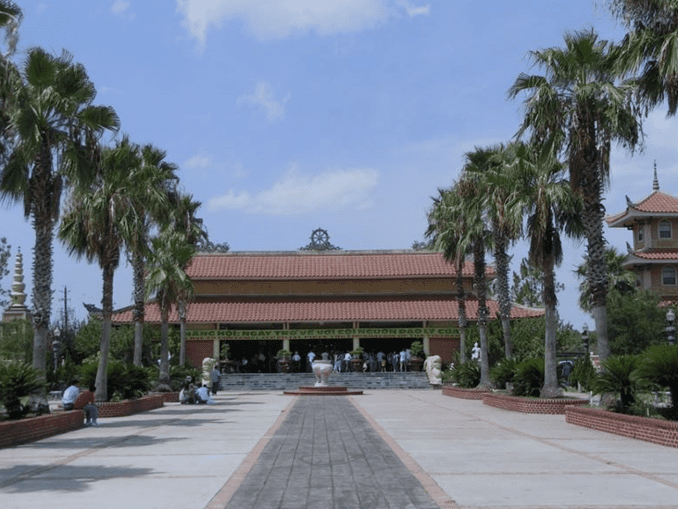
Houston is home to one of the largest Vietnamese diasporas in the U.S., and its influence is felt throughout the city, especially in the Midtown area where the Vietnamese Cultural Center is located. This center is more than just a place for celebrations or gatherings. It actively promotes the preservation and popularization of Vietnamese language, traditional dance, music, and cuisine. Regularly, they host cooking workshops, calligraphy exhibitions, and performances by traditional ensembles. It’s a true cultural bridge between generations and between cultures.
Afro-American Cultural Center
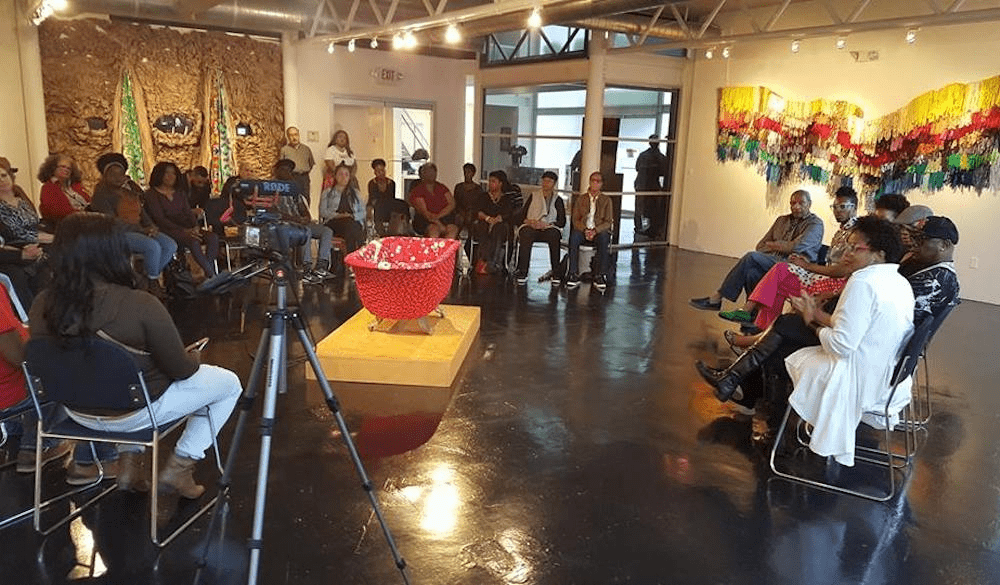
Located in the Third Ward, the Afro-American Cultural Center plays a pivotal role in preserving and promoting African American history and culture. While it may not be as large as some other museums, its impact on the community is immense. The center offers educational programs, hosts exhibitions dedicated to significant figures and events, and organizes events that celebrate African American musical, artistic, and literary achievements. This is a place where history comes alive and identity is strengthened.
Communities of “Garden Artists” and Their Hidden Spaces
Beyond traditional galleries, Houston boasts a unique community of “garden artists.” These enthusiasts transform their private yards and homes into true works of art, often reflecting their philosophies and life stories. One of the most famous examples is the Beer Can House, a home entirely adorned with beer cans. While it’s relatively well-known, many other less conspicuous but equally striking “garden” installations are scattered throughout the city, accessible only to those who truly seek them out. These spaces are a vivid testament to self-expression and creative freedom.
Asian Cultural Centers and Temples in Bellaire Chinatown
While Houston’s Chinatown in the southwest part of the city is fairly well-known, the true hidden gems here aren’t just the restaurants, but also the numerous cultural centers, temples, and small communities representing diverse Asian cultures.
- Buddhist and Taoist Temples. Behind the modest facades of shopping centers, you can find majestic and peaceful temples that serve as spiritual and cultural hubs for Vietnamese, Chinese, Thai, and other Asian diasporas. They are often open to visitors and offer a unique opportunity to see traditional architecture, art, and participate in meditations or observe rituals. These are not merely places of worship but true centers for preserving language, music, and ceremonies.
- Cultural Schools and Associations. Many small buildings in this area are home to schools that teach traditional dances (like dragon or lion dance), folk instrument playing, calligraphy, or culinary arts. These places are rarely mentioned in guidebooks but often host open events and festivals, especially during the Lunar New Year or other traditional holidays. It’s a true kaleidoscope of Asian culture.
The Jung Center of Houston
Tucked between the bustling streets of the Museum District and the Medical Center, the Jung Center of Houston is a genuine intellectual and spiritual gem. It’s not a traditional library or museum in the usual sense. The center is dedicated to developing consciousness, creativity, and personal growth based on Jungian psychology. Here, an atmosphere of serenity and intellectual stimulation prevails. You’ll find a specialized library with books on psychology, mythology, philosophy, art, and religion, as well as cozy areas for reading and reflection.
The center regularly hosts lectures, seminars, workshops, and discussion groups on a variety of topics—from art therapy and dream interpretation to literature and spirituality. It’s a place where people from all walks of life gather to explore their inner world and expand their horizons. It’s a true sanctuary for those seeking deeper meaning and personal development away from the noisy city.
Historic Freedmen’s Town
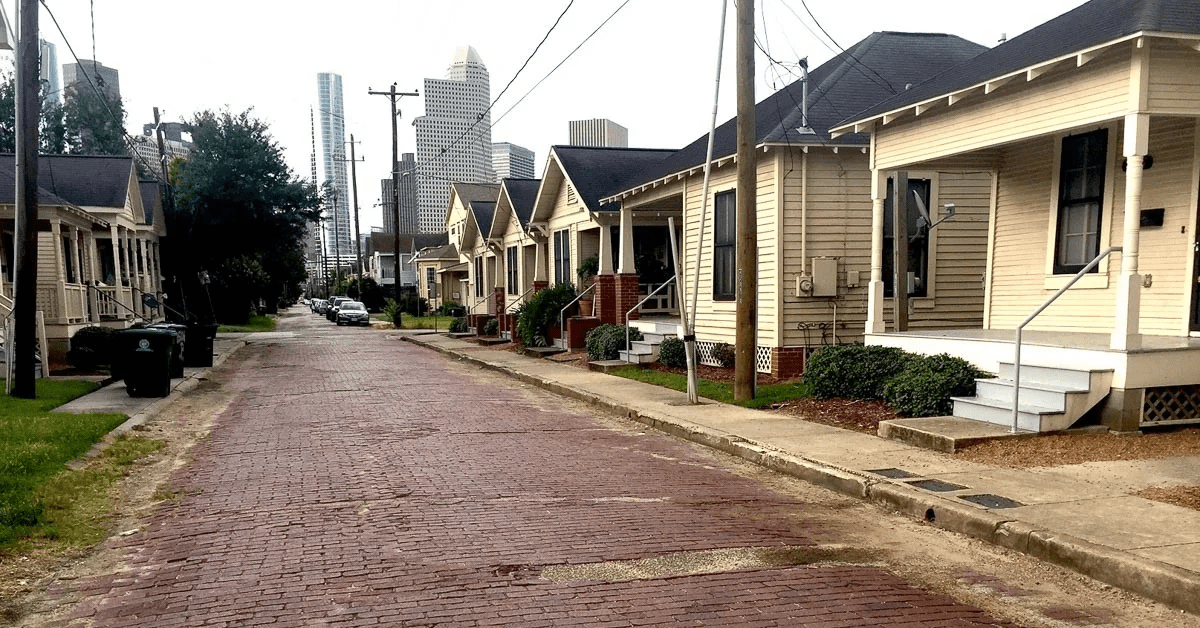
Freedmen’s Town, located in the Fourth Ward, is Houston’s oldest African American historic district. Founded by freed slaves after the Civil War, it was a successful, self-sufficient community with its own churches, schools, shops, and businesses. Today, despite many original buildings being lost to urbanization, the district remains an incredibly important cultural landmark.
- Brick Pavement. One of its most distinctive features is the historic brick pavement, laid by hand by the residents of Freedmen’s Town. This is a silent yet powerful testament to their labor and determination.
- Preserved Churches and Homes. Some of the original churches and homes that have withstood the test of time are still functioning and serve as centers for preserving history and culture. They offer tours, educational programs, and events that honor the district’s heritage.
- Symbol of Resilience. Freedmen’s Town is not merely a museum but a living symbol of the resilience, self-determination, and contributions of the African American community to Houston’s history. Exploring this area provides a deep understanding of the city’s social and cultural dynamics.
Why These Places Matter
These hidden gems are vital to Houston for several reasons. They allow ethnic and cultural groups to preserve their traditions and identity in a rapidly changing world. These hubs create safe and welcoming spaces for everyone, regardless of background, fostering inclusivity. They serve as platforms for new forms of art, music, and ideas that emerge at the intersection of various cultures, stimulating innovation. Finally, for visitors and locals alike, these places offer an authentic glimpse into the city’s multifaceted nature, extending beyond stereotypes, truly helping in uncovering the real Houston.
Houston is a city that constantly surprises those willing to dive deeper. Its true cultural beauty lies not only in its grand institutions but also in these modest yet incredibly powerful cultural hubs and communities that are the pulsing heart of its diverse soul. By exploring these hidden gems, you’ll discover a Houston you won’t see on typical tourist routes—a city that impresses with its authenticity and inexhaustible cultural energy.