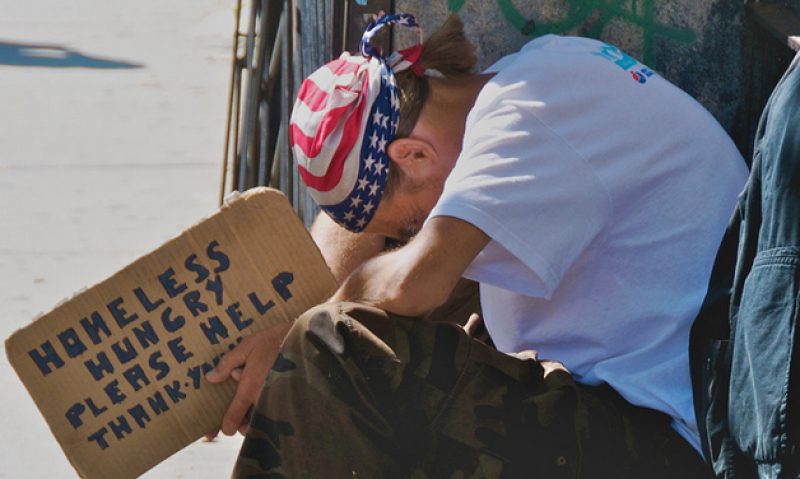

Over the past decade, Houston, Texas, has transformed from a city with a significant homelessness problem into a national model for effective response. This success stems not just from political will but from the strategic implementation of a system that merges medical care with coordinated social services. Here, helping the homeless isn’t a one-time act of charity; it’s a coordinated, holistic process. i-houston.com explores how they pulled it off.

The “Housing First” Strategy
The city’s transformation is rooted in The Way Home program, which unites over 100 partner non-profit organizations and government entities into a comprehensive network. This system operates on the “Housing First” principle—providing housing without any preconditions, such as a requirement for sobriety or mandatory treatment. The belief is that stable housing is the necessary foundation for addressing all other issues.
Thanks to this approach, the Houston region—including Harris, Fort Bend, and Montgomery counties—has achieved remarkable results that other major cities are now studying.
- Reducing Homelessness. The total homeless population in the region has declined by more than 60% since 2011, with the number of unsheltered individuals decreasing even more significantly.
- Veterans. Houston was one of the first major U.S. cities to announce it had effectively ended veteran homelessness.
- Housing Retention. Local housing programs boast a success rate of over 90%—the vast majority of clients remain in stable housing for two years after moving in.
- Economic Benefit. City officials calculated that the cost of maintaining one person in permanent supportive housing (around $18,000 annually) is significantly lower than the expenses associated with life on the street (including emergency room visits, policing, and incarceration).
Integrated Medical Care
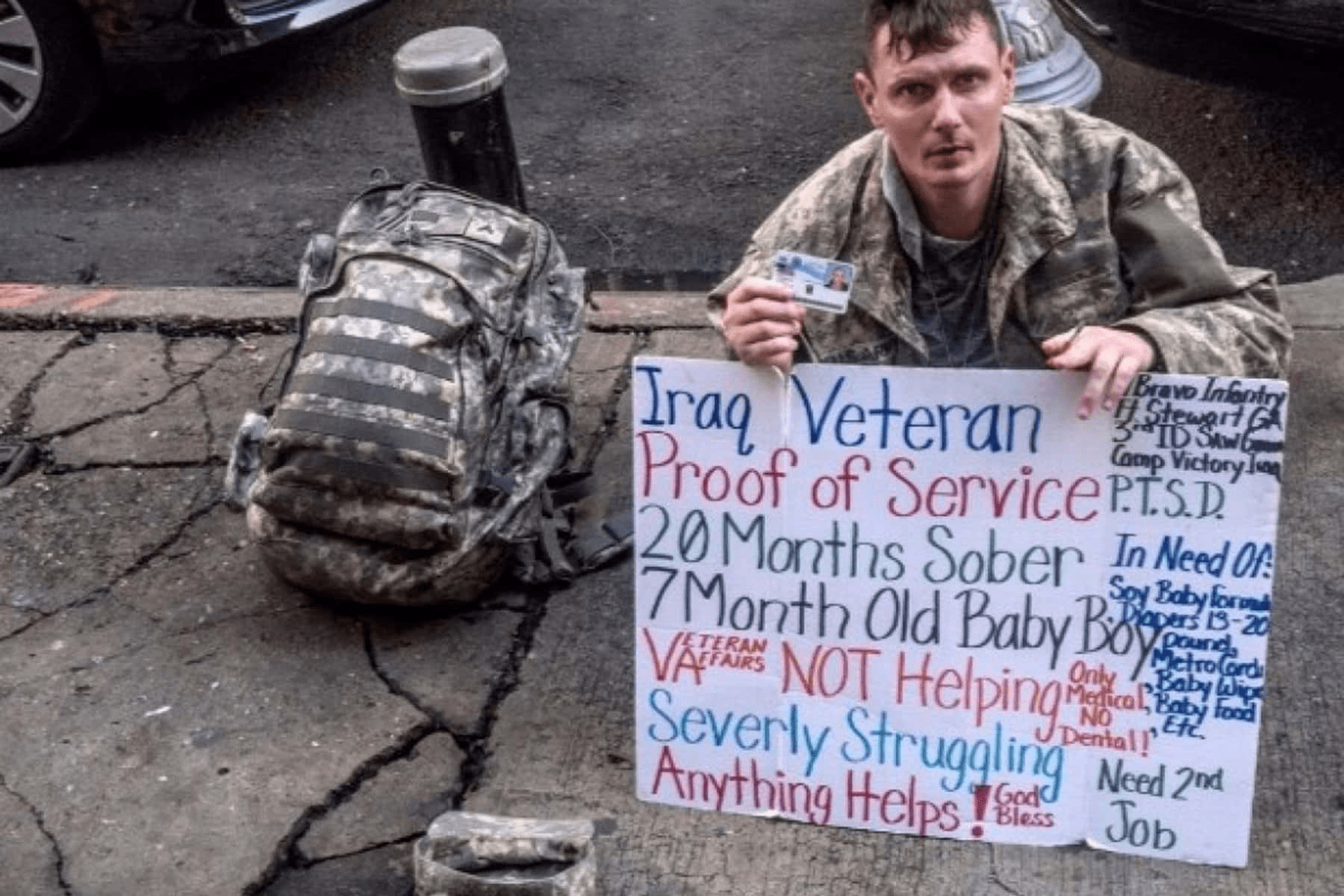
For many unhoused individuals, the path to housing begins with health recovery. People living on the street face critical barriers to healthcare access, resulting in high rates of chronic illnesses, mental health disorders, and infectious diseases. Houston answered this challenge by creating a specialized and integrated system.
Healthcare for the Homeless—Houston (HHH)
Healthcare for the Homeless—Houston (HHH) plays a crucial role in medical provision. It’s the city’s sole federally qualified health center dedicated exclusively to serving the homeless population. The HHH model is based on the idea that healthcare should come to the patient, not the other way around.
This is achieved through an extensive network of services:
- Fixed-site clinics located inside homeless shelters and permanent supportive housing centers.
- Mobile Medical Units that provide direct aid on the streets, under bridges, and in encampments.
- Whole-Person Care. All clinics offer primary medical care, dental services, women’s and children’s health, and integrated behavioral health (mental health and substance abuse treatment).
For example, the Houston Recovery Center plays a critical part in addressing substance use, a significant complicating factor in homelessness. The center offers not only a safe place for detoxification but also long-term counseling and referrals for ongoing treatment.
Coordination and Social Support
The key to the Houston model’s success is the seamless coordination between the medical and social services spheres. They are not two separate services but a single, integrated mechanism.
Clinical Case Management acts as the linchpin. Social workers are embedded directly within medical clinics or temporary housing centers. They help clients adhere to treatment plans and navigate the bureaucratic hurdles common for people without a fixed address or identification:
- Obtaining a state ID or birth certificate.
- Enrolling in health insurance or social assistance.
- Directly connecting clients to the Coordinated Access System, which prioritizes and routes people into permanent housing programs.
Another example is the Hospital to Home (H2H) program, implemented by The Harris Center. It focuses on unhoused individuals with serious mental illnesses being discharged from hospitals. H2H offers transitional housing (90 to 180 days) and intensive rehabilitation to ensure a successful transition to more permanent housing options. This illustrates how medical stabilization directly translates into housing stability.
Lessons for Other Cities and an Investment in Dignity
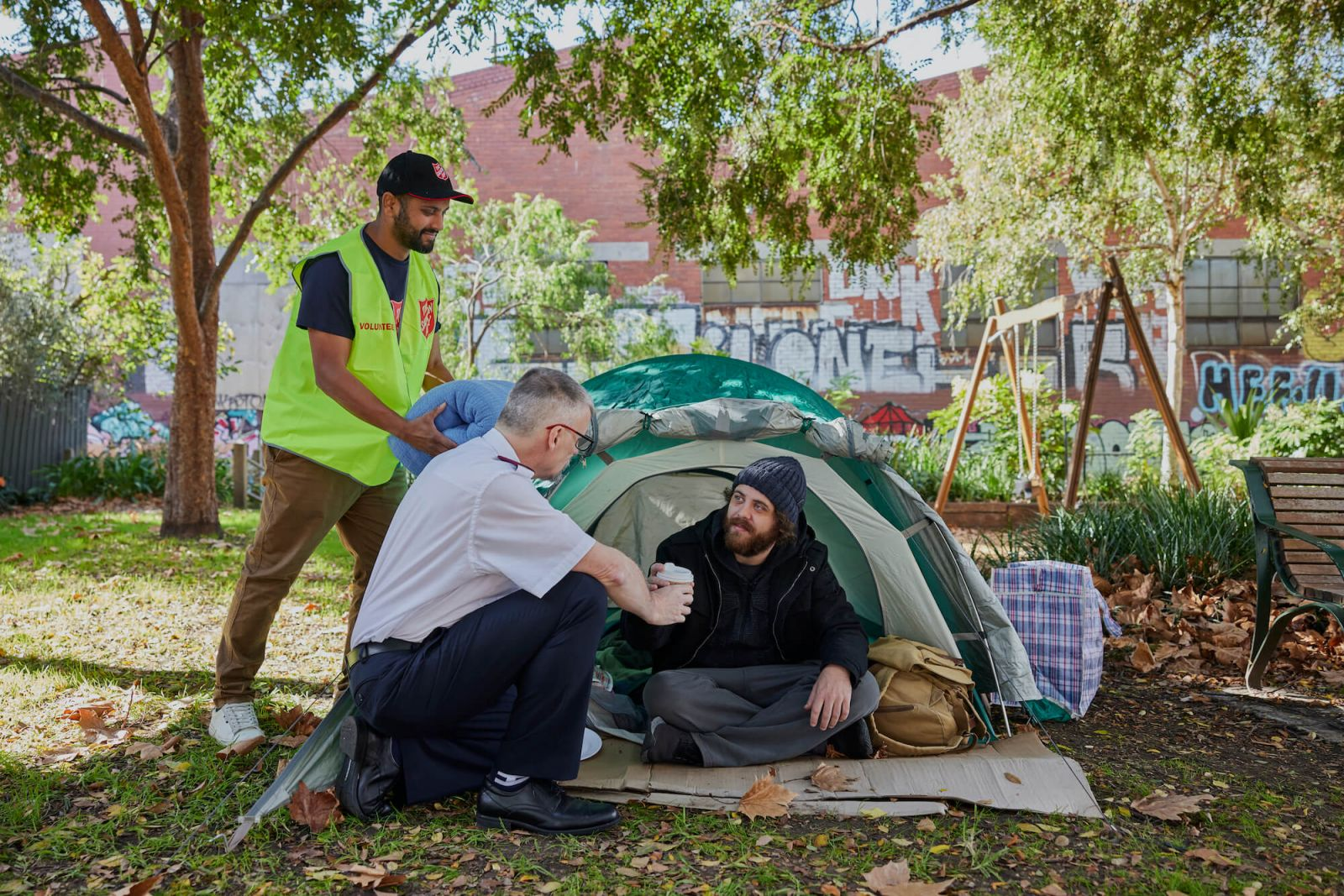
Houston’s success proves that homelessness isn’t just a housing crisis; it’s a complex socio-medical challenge that requires a unified, well-funded, and highly coordinated response. The city has demonstrated that investing in comprehensive, dignified care is not only a moral imperative but also an economically sound strategy. This is a powerful testament to the value of an integrated approach.
The success of “The Way Home” program shows that homelessness is a solvable problem when it’s viewed not as a moral failing but as a complex socio-medical challenge.Houston discarded outdated stereotypes that demanded a person “get clean” or “get sober” before they could get a key to a door. Instead, the city invested in a philosophy of humanism and pragmatism: Give a person housing, and only then, in a safe environment, provide medical, psychiatric, and social support. This systemic synergy is the real innovation. Helping the homeless isn’t an expense—it’s a sound investment: an investment not only in the urban economy but also in restoring human dignity and social equity. Ultimately, Houston proved that a society is stronger and healthier when its most vulnerable members have their “Housing First.”