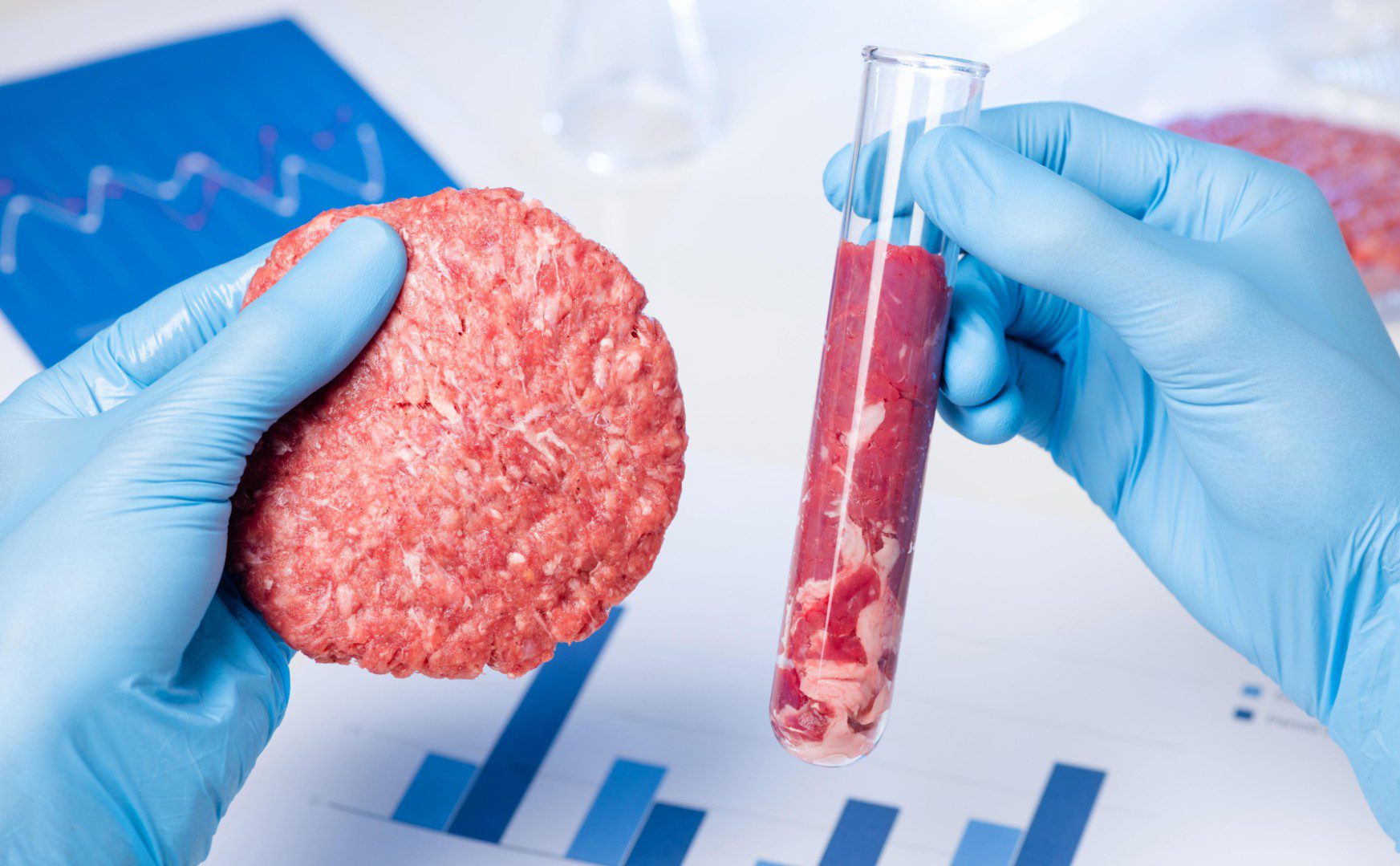

Texas has always been synonymous with traditional agriculture: sprawling ranches, steadfast harvests, and a massive meat industry. Yet, as a capital of energy and innovation, the state can’t ignore global shifts. Today, in an era of climate challenges and a booming population, scientists are replacing cowboys. It is in Houston and Dallas that a food revolution is unfolding. Investments in cultivated meat and vertical farms promise to completely rewrite the logistics and ecology of our food. These innovations are poised to change food production methods dramatically, impacting the state’s ecology, economy, and even its culinary culture. Read on for the full story on i-houston.com.
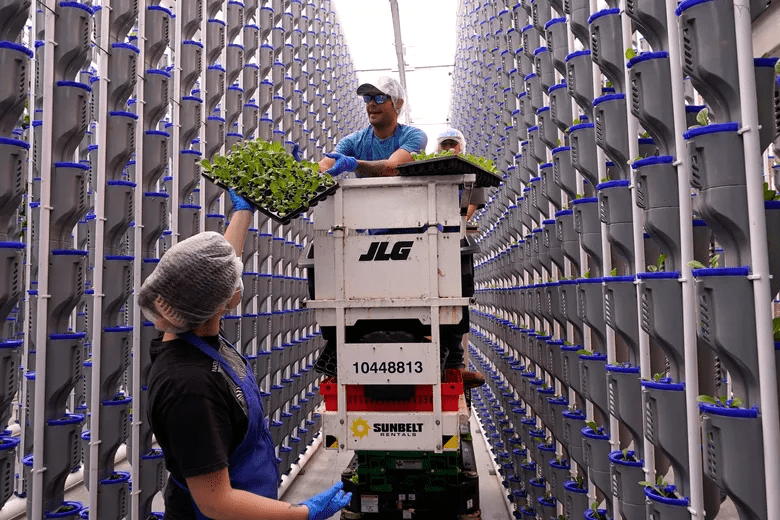
From Cell to Steak
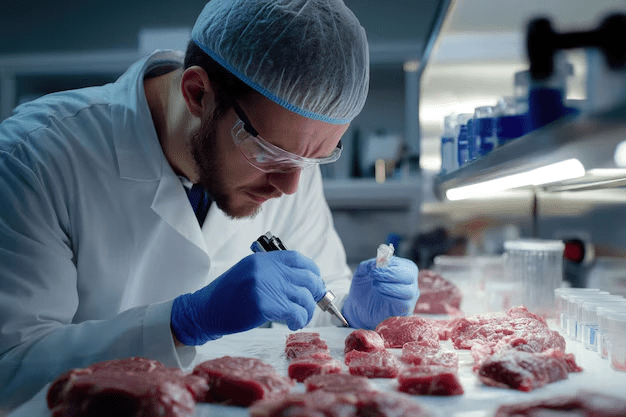
Cultivated meat (also known as lab-grown meat) is a revolutionary product grown directly from animal cells, eliminating the need for livestock farming and slaughter. In Texas, where beef production is a powerful economic and cultural determinant, this technology is sparking the most debate and could potentially upend centuries of tradition.
The process is a type of cellular agriculture that involves precisely replicating natural biological processes in a controlled environment. It includes these key stages:
- Cell Collection (Biopsy). The process begins with obtaining a small sample of muscle cells from an animal, such as a cow or chicken. This procedure is non-invasive and harmless to the animal. In fact, one sample can provide enough cells to produce a huge amount of meat, making it extremely efficient from the start.
- Cell Multiplication (Fermentation). The collected cells are placed into specialized industrial bioreactors (fermenters)—tanks similar to those used in brewing. Here, the cells are fed a nutrient medium that mimics the animal’s blood. This medium contains all the necessary components: amino acids, sugars, vitamins, and minerals. Inside the bioreactor, the cells multiply intensely.
- Tissue Formation (Scaffolding). Once the cell population is large enough, the cells require a structure to develop into muscle tissue. Special frameworks (scaffolds) and technologies that mimic the natural environment inside the animal are used for this. The cells differentiate, forming muscle and fat fibers that structure themselves into the finished product—a steak, ground meat, or chicken fillet.
The advantages of cultivated meat are significant. It requires significantly less land and up to 90% less water than traditional animal agriculture, which is critically important for arid Texas. Furthermore, production is far more sustainable, as it reduces greenhouse gas emissions and eliminates the use of antibiotics.
The main challenges remain: lowering production costs to a competitive level and regulatory hurdles. In a state with a powerful livestock lobby, there are fierce discussions about product labeling. Can it be called “meat,” and how can consumer transparency be ensured? The cultural resistance of Texans, who prize a traditional steak, presents an additional test for this future technology.
Food Reaching for the Sky
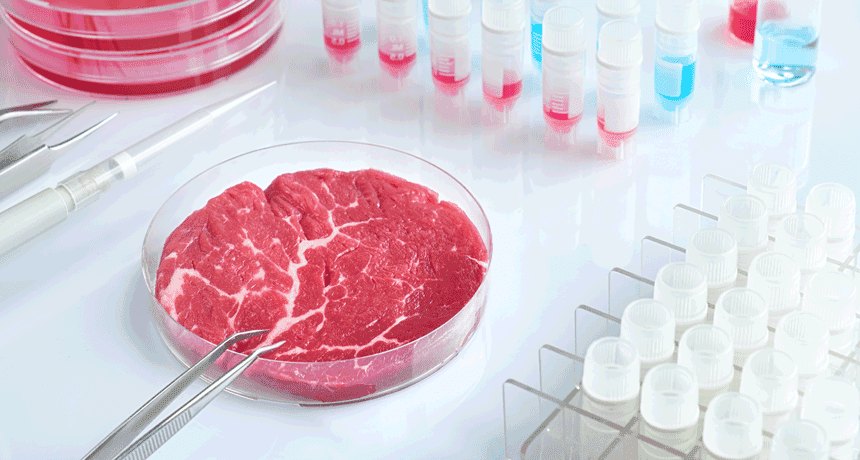
Vertical farms are systems for growing crops indoors in stacked, multi-level structures. They use technologies like hydroponics (growing in water), aeroponics (in air), or aquaponics, replacing natural sunlight with specialized LED lights that optimize photosynthesis.
The Houston Advantage
- Climate Independence. Texas suffers from extreme heat, droughts, and sudden freezes. Vertical farms, housed in warehouses and repurposed buildings, create a controlled environment completely insulated from weather challenges.
- Water Savings. These systems use up to 95% less water than traditional agriculture, which is critical for water-scarce regions.
- Production Localization. Farms can be placed directly within Houston’s city limits. This drastically cuts logistics costs and delivery time, providing residents with fresh produce (primarily leafy greens, herbs, and berries) in a matter of hours.
The Harvest Conductor
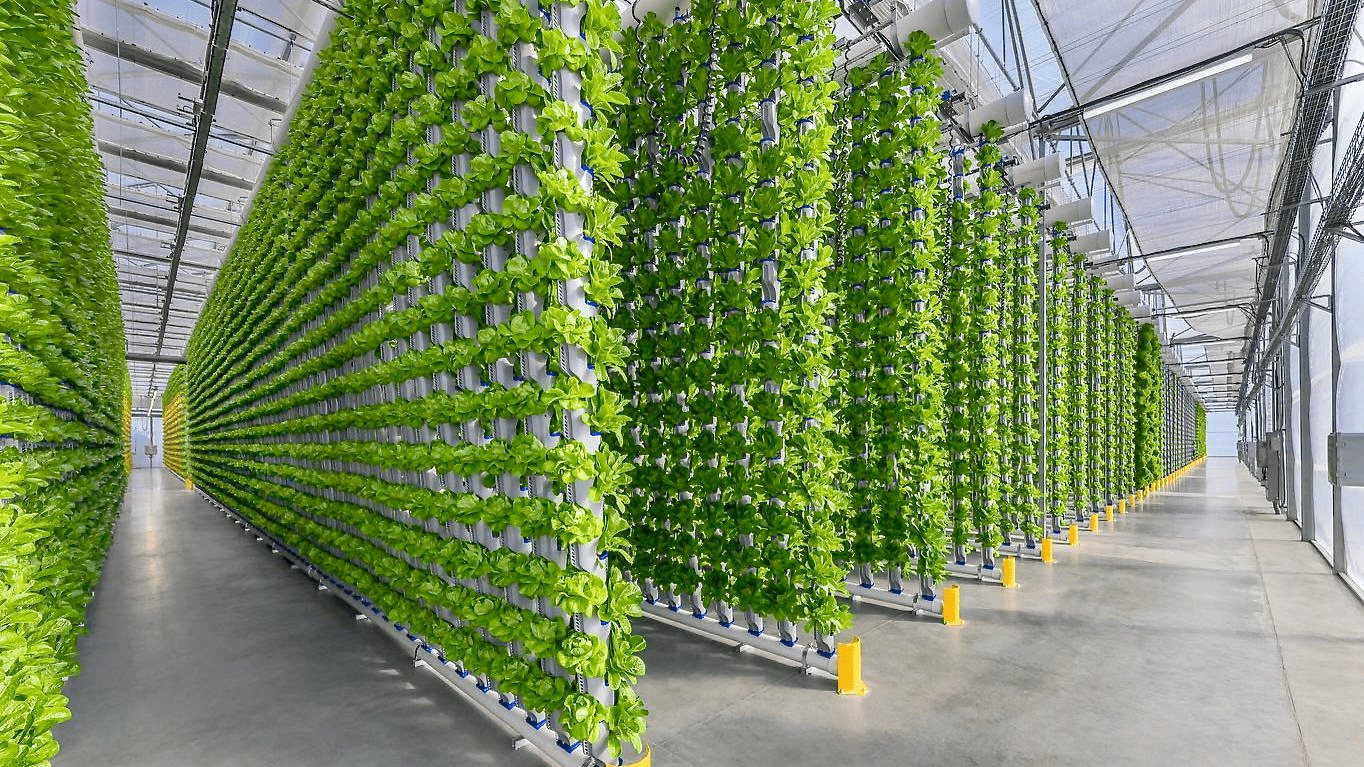
Modern vertical farms are not merely multi-story greenhouses. They are complex, highly automated ecosystems whose operation is impossible without artificial intelligence. This digital intelligence acts as the central administrator, managing the entire growth cycle and guaranteeing maximum efficiency and crop quality. It completely controls key parameters that were once the exclusive domain of nature.
For instance, in lighting management, AI goes far beyond simply turning on LED lamps. It constantly analyzes the needs of a specific crop and dynamically adjusts the light spectrum and intensity. This allows it to mimic ideal lighting conditions for every stage of growth, something impossible in open fields. When it comes to nutrients, in hydroponic systems, AI is responsible for the precise dosing of minerals in the water. It continuously monitors pH and electrical conductivity levels, instantly correcting the component delivery so the plant gets exactly what it requires, preventing deficiencies or excesses.
The most critical function is monitoring and preventative diagnostics. Through the integration of high-resolution cameras and neural networks, AI continuously scans the condition of all plants. This system can detect the slightest, imperceptible-to-the-human-eye signs of diseases or pests in their early stages. This allows the farm to automatically isolate the affected area and apply localized treatment, minimizing pesticide use and preventing the spread of infection to the entire crop. Thus, algorithmic intelligence transforms agriculture into a precise, manageable, and highly productive process.
Rethinking the Food Frontier
The food revolution unfolding in Texas is a striking story of contrast and adaptation. A state that for decades celebrated vast pastures, rodeo legends, and free-range cattle as the backbone of its economic and cultural identity is now making a decisive pivot. Texas is investing in high-tech bioreactors for growing meat and multi-story greenhouses for growing vegetables.
This shift is more than just a technological change. It’s a new factor shaping the region’s food future, disrupting old paradigms in favor of sustainability and efficiency. This innovative push rests on two key pillars: cellular agriculture and vertical farming. Together, these two innovations form a new determinant of Texas’s food future. They offer a powerful solution to two main challenges:
- Growing Population. Texas is one of the fastest-growing states in the U.S., and the demand for food is increasing proportionally.
- Limited Natural Resources. Water crises and soil degradation demand radically new, more efficient production methods.
The transition from the traditional ideal of a “promised land” to a modern “promised lab” demonstrates a faith in technological progress. Houston is ready to combine its traditional entrepreneurial spirit with cutting-edge technology not just to feed its citizens but to set a new standard for sustainable nutrition in the 21st century.