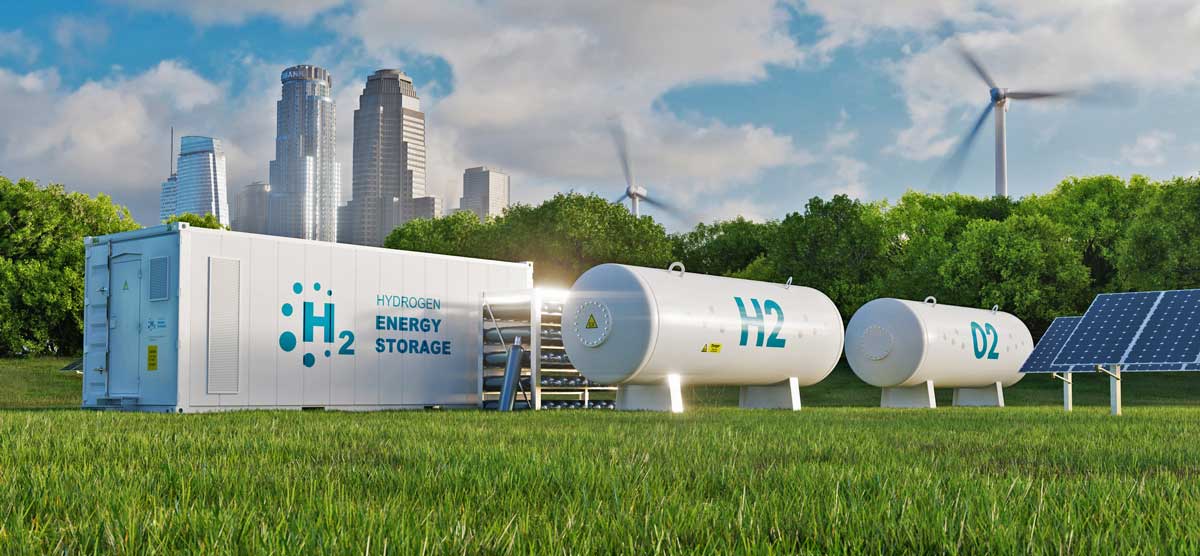

Houston, the capital of the world’s oil industry that defined the global fossil fuel market for decades, now stands at a historic crossroads. The city that became synonymous with “black gold” is actively pivoting, declaring its ambitions to become a major clean technology center and a world-class hydrogen hub. This is a dramatic energy transition where former oil giants aren’t fading away but are transforming into key players in the “green” revolution. Read on for the full story of the city’s metamorphosis on i-houston.com.
Legacy of the “Oil Kingdom” and the Inevitability of Change
The proud title of the world’s energy capital was deeply embedded in the city’s economic and physical infrastructure. Houston functioned as the epicenter of the global oil and gas industry thanks to its strategic assets: an extensive pipeline network, key ports, powerful refineries, and, most crucially, a concentration of capital and engineering talent. The energy giants headquartered here shaped the politics and economics of not just the state, but much of the world.
However, today this foundation faces an inevitable transformation. Global pressure for economic decarbonization and the devastating impacts of climate change have made the transition to clean energy sources not just desirable but vital. The Houston industry, known for its pragmatism, quickly grasped the dilemma. It must either leverage its vast resources and engineering expertise to lead the energy revolution or risk being left behind.

The Foundation of the Hydrogen Hub
The city’s main strategic bet is on hydrogen and carbon capture and storage (CCS) technologies. These areas are logically connected to the region’s existing infrastructure and expertise.
- Regional Advantages. Houston already boasts the world’s largest hydrogen pipeline network, used by the petrochemical industry, as well as geological formations along the Gulf Coast perfect for reliable underground CO₂ storage.
- Government Support. A significant boost has come from the U.S. federal program aimed at creating regional hydrogen hubs, with the Texas region being a prime contender for billions in investment.
Fuel of the Future in Three Colors
Hydrogen is the centerpiece of Houston’s new energy strategy. The city is actively shifting its focus, recognizing that hydrogen can ensure zero emissions and is essential for decarbonization. Houston is leveraging different methods of hydrogen production, often distinguished by “colors.”
- Gray hydrogen is the most common type. It’s produced from natural gas through a process called steam methane reforming. This process releases a lot of CO₂. Gray hydrogen currently dominates in Houston, powering the local petrochemical industry. This hydrogen acts as the baseline upon which cleaner technologies are being built.
- Blue hydrogen is also produced from natural gas. But there’s a key difference: the CO₂ emissions from production are captured and stored underground. Blue hydrogen is a critical transitional step for Houston. The region has large natural gas reserves and established CCS technology, allowing for a rapid reduction in emissions. Former oil companies are investing billions in this area.
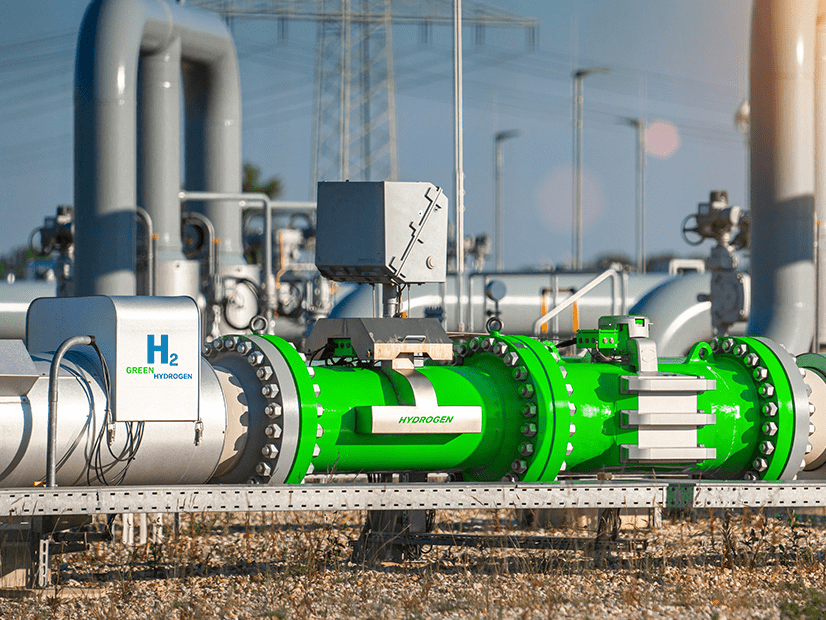
- Green hydrogen is the cleanest option. It’s produced by the electrolysis of water, which splits water into hydrogen and oxygen. The process uses only renewable electricity, such as solar or wind power. Production creates zero greenhouse gas emissions. This is Houston’s ultimate goal, as achieving net-zero emissions depends on green hydrogen.
Transformation of the Giants
A clear example of this change is the response of giants like ExxonMobil and Chevron. Instead of ignoring the “green” trend, they are massively investing in new areas, utilizing their expertise in large-scale project execution and logistics.
For instance, ExxonMobil has announced major investments in CCS projects. They plan to develop a vast hub for storing CO₂ beneath the seabed off the Houston coast. This initiative repurposes existing pipeline infrastructure and deepwater well expertise, transforming it from a fossil fuel asset into a tool for combating emissions. Thus, the “Oil Kingdom” is evolving, turning its past determinants into key components of a green future. This transformation has touched nearly every energy company.
| Company | Old Era | New Era (Houston Projects) |
| ExxonMobil | Oil and Gas Exploration and Production | CCS leader planning a massive CO₂ capture hub in the Houston Ship Channel area. |
| Chevron | Refining and Petroleum Products | Investing in hydrogen technologies, particularly blue hydrogen production. |
| Shell | Global Oil and Gas Operations | Developing electrolysis projects for green hydrogen and managing clean energy infrastructure. |
These corporations are deploying their immense financial resources and engineering competency, honed in oil extraction, to solve the complex challenges of CCS and hydrogen transport.
Seismograph of Decarbonization
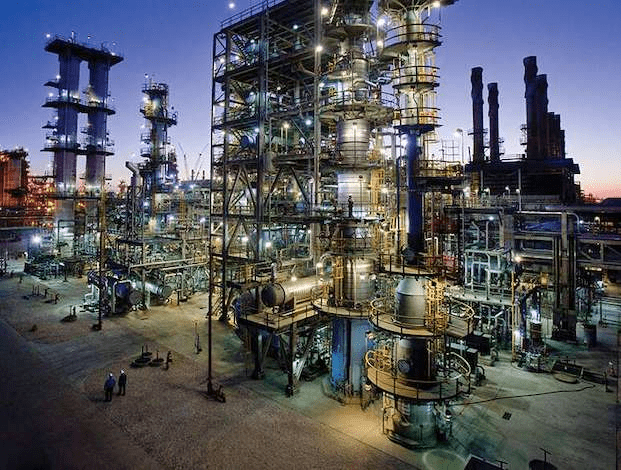
Modern Houston is turning its historical experience into the key to solving global environmental challenges. Carbon Capture and Storage (CCS) technology is precisely what allows Houston to leverage its deep oil and gas knowledge for leadership in the new era.
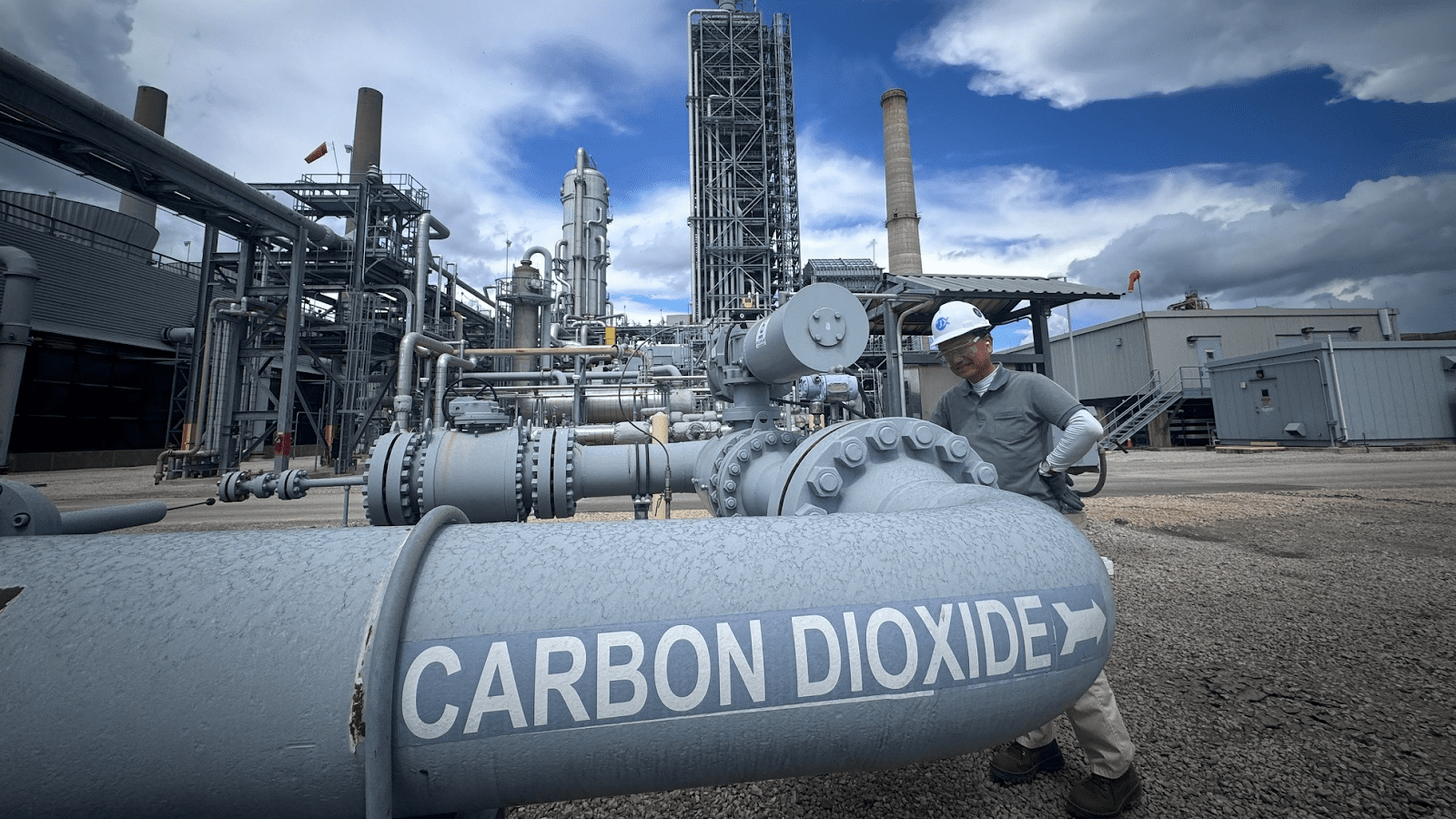
This process is a complex technological chain. First, carbon dioxide (CO₂) is captured from large industrial sources, including refineries, power plants, and new hydrogen production facilities. After capture, the CO₂ must be transported, using either existing or newly built pipelines. The gas is then injected into deep geological reservoirs beneath the Gulf of Mexico seabed.
This is where Houston’s logistical advantage lies. No other city in the world has such a unique concentration of geological engineers and subsurface reservoir experts. Decades of working with oil fields have given local companies invaluable experience. They know how to manage deep underground structures. This makes Houston the undisputed global leader in carbon capture. The city is transforming its “oil” legacy into an environmental asset, paving the way for mass decarbonization.
New Energy Capital
The shift to clean energy requires the reskilling of thousands of specialists. Houston universities and technical schools are actively creating programs focused on training the relevant workforce. This ensures a continuous supply of skilled labor that formerly worked in oil, now applying their knowledge to the “green” economy.
As it transforms, Houston is positioning itself not just as another energy center, but as the “Energy Transition Valley.” The city is leveraging its reputation to attract startups, venture capital, and international corporations eager to scale their clean energy technologies.
The era of oil won’t end overnight, but its dominant role in Houston is rapidly fading. In its place come innovations, driven by the same giants that once ruled, but now with a fundamentally different mission—to power the world cleanly.