

We often consider Houston to be a city of relentless human progress. But beneath the gleaming facade of innovation beats a loud, rhythmic heart – its music scene. For decades, this city has transformed from a cradle of blues melodies into a global hub for hip-hop, proving that its soul is no less dynamic than its economy. Every chord and every beat reflect its unique character, shaped by a blend of warm Southern sincerity, restless energy, and an unparalleled ability to create something new. Get ready to dive into the sounds of Houston on i-houston.
Origins: Blues, Jazz, and Western Swing
The roots of Houston’s musical culture run deep in the blues and jazz of the early 20th century. A magnet for migrants from rural Texas and Louisiana, the city became a melting pot for these genres. The oil industry attracted talented musicians seeking a better life and performance opportunities.
The streets pulsed with the rhythms of jazz ensembles and blues guitars. Legends like Lightnin’ Hopkins, whose somber yet piercing blues became synonymous with the Texas sound, performed here. His improvisational style and lyrical depth captivated fans worldwide. Alongside the blues, jazz also thrived in the city, with big bands and swing collectives filling venues like the Eldorado Ballroom, which remains a significant landmark in Houston’s musical heritage to this day.
Furthermore, the city became an important center for the development of western swing – a hybrid genre that combined jazz, country, and blues. Bands like the Light Crust Doughboys showcased an innovative approach that pushed the boundaries of traditional sound.
Evolution: R&B, Soul, and Rock and Roll
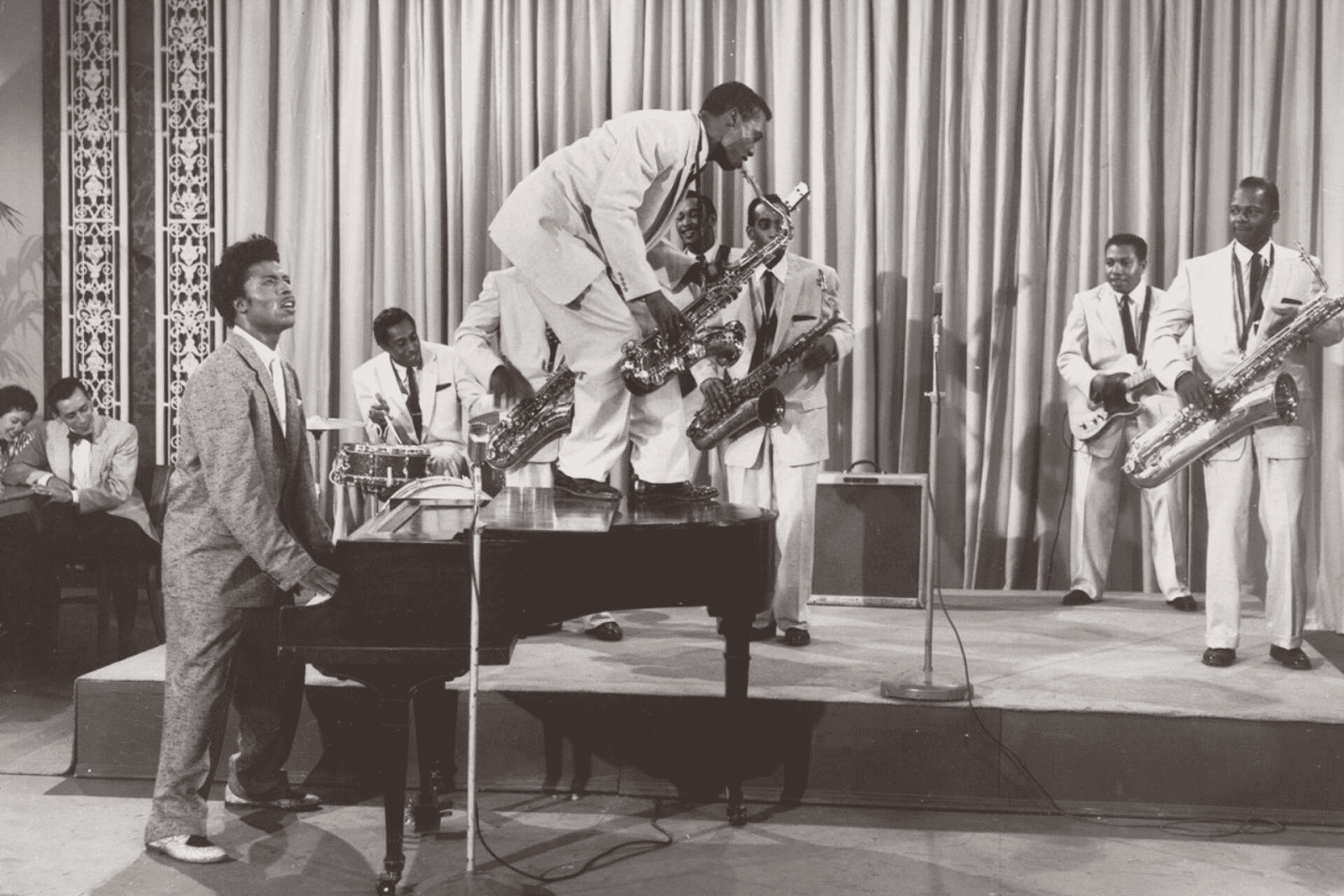
The post-war period brought new influences. Houston actively embraced R&B and soul, creating its own stars. Record labels, such as Peacock Records, played a crucial role in promoting local talent. They introduced the world to names like Big Mama Thornton, whose powerful song “Hound Dog” later became a hit for Elvis Presley. This demonstrated the influence of Houston artists on the national music scene.
In the 1960s, the city experienced a rock and roll boom, with local bands actively performing in clubs. The electric energy of this genre found fertile ground in dynamic Houston. The 1970s saw the development of funk and disco, keeping the city’s dance rhythms alive. It’s important to note that these genres often intertwined, creating unique hybrids.
Revolution: Hip-Hop and Its Dominance
Houston’s true musical transformation occurred in the late 1980s and early 1990s with the birth and rapid rise of hip-hop. Southern rap, with its unique slow tempo (chopped and screwed), deep bass, and distinctive lyricism, quickly conquered the city and then the world. This style, often associated with the late DJ Screw, became Houston’s calling card.
The reasons for its success were multifaceted.
- Originality. Southern rap offered an authentic voice that differed from the sounds of the East and West Coasts.
- Local Support. Local radio stations actively promoted local artists.
- Street Culture. Hip-hop was deeply rooted in urban culture, reflecting the lives and challenges of its residents.
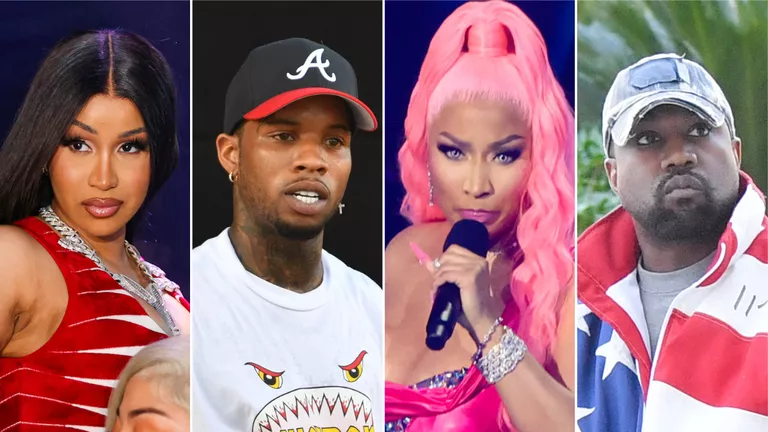
Groups like the Geto Boys pioneered gangsta rap, boldly addressing social issues. Later, with the arrival of artists like Travis Scott and Megan Thee Stallion, Houston firmly established itself as one of the key centers of global hip-hop. Their work, ranging from experimental sounds to energetic anthems, continues to push the boundaries of the genre while maintaining a distinct Houston flavor.
Modernity: Development and Intertwining Genres
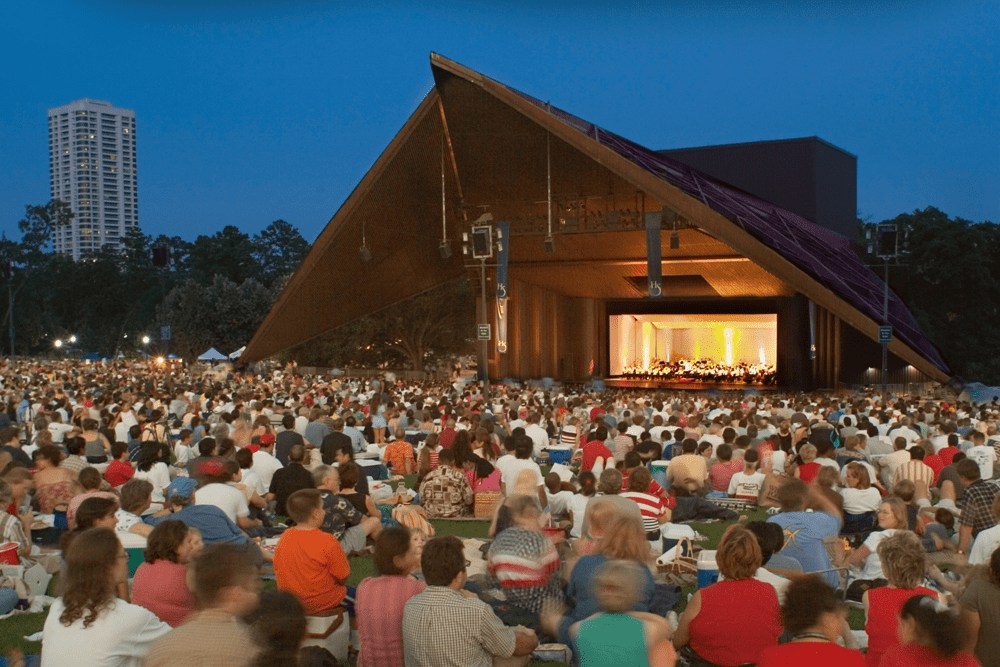
Today, Houston’s music scene is a true reflection of its diversity. While hip-hop remains dominant, the city actively develops other genres. Indie rock bands, alternative artists, jazz collectives, and even electronic musicians find their audience. Concert venues, from large arenas to intimate clubs, constantly host both local and international artists.
Festivals like Astroworld (though its future remains uncertain after tragic events) and Free Press Summer Fest demonstrate the city’s eclectic musical tastes. The Houston Symphony and Opera House are also important centers for classical music, adding another layer to the city’s multifaceted musical identity.
Houston’s Musical Milestones
| Era/Genre | Key Features | Landmark Artists/Groups | Impact on the Scene |
| Early 20th Century (Blues, Jazz) | Roots in African American culture, improvisation, emotional depth. | Lightnin’ Hopkins, Big Mama Thornton | Formed the foundation, created the “Texas blues” sound. |
| Post-War Period (R&B, Soul) | Development of vocal styles, emergence of local record labels. | Big Mama Thornton, Joe Tex | Introduced new rhythms, achieved national success. |
| 1980s – Present (Hip-Hop) | Slow tempo (chopped and screwed), deep bass, unique lyricism. | DJ Screw, Geto Boys, Travis Scott, Megan Thee Stallion | Houston as a global hip-hop center, innovations in sound and style. |
| Modernity (Diversity) | Coexistence of genres, active development of indie, electronic, jazz, classical music. | Diverse local and international artists | Creation of a unique musical landscape reflecting cultural diversity. |
From the scratchy blues guitars that echoed on dusty streets to the basslines shaking modern stadiums, Houston’s music scene has come a remarkable way. It is a vibrant testament to the city’s capacity for adaptation, innovation, and self-expression. Music here is not just entertainment; it’s a living narrative of its history, its people, and its indomitable spirit. Houston continues to create sounds that resonate far beyond Texas.