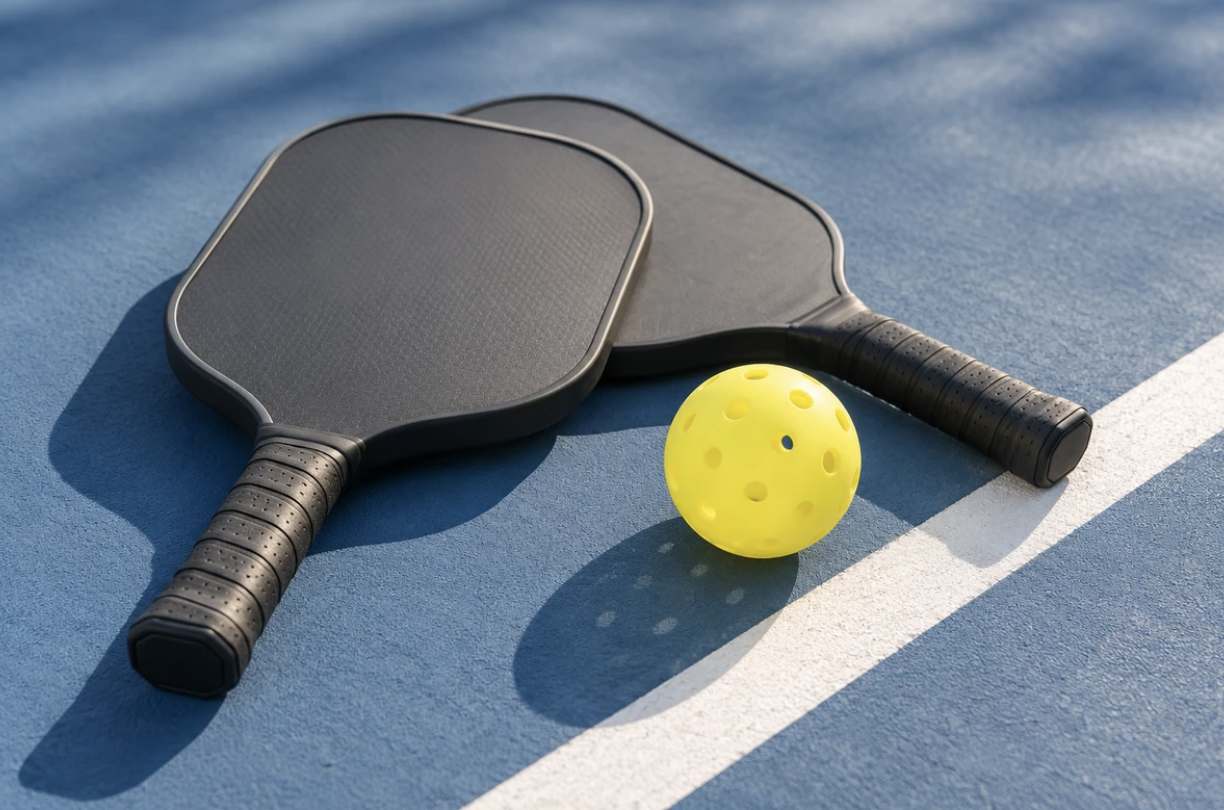

If you’ve recently spotted Houston’s classic tennis courts being rapidly repainted with curious new lines, all while a crisp, rhythmic “pop-pop” echoes through the parks, congratulations: you’ve run right into America’s biggest sports craze. Pickleball has officially outgrown its reputation as a sleepy pastime for retirees. It has evolved into a full-scale urban movement, capturing the hearts of Texans from the urban core to the far-flung suburbs.
The secret behind the game’s soaring popularity in Houston is simple: it combines a remarkably low barrier to entry with a solid cardio workout, serving as an unbeatable social magnet. How did this movement take off, who led the charge, and why is everyone suddenly hooked? Let’s dive in with i-houston.com.
What Is Pickleball? The Rules Without the Rocket Science
To understand why Houstonians have fallen in love with the game, you only need to look at the rules. They are refreshingly straightforward. Pickleball is a dynamic blend of tennis, ping-pong, and badminton. It’s played on a badminton-sized court (44 × 20 feet / 13.4 × 6.1 m) using solid paddles and a lightweight, perforated plastic wiffle ball.
Key Rules Every Beginner Needs to Know
- The Kitchen (Non-Volley Zone). Pickleball’s signature element. This is a 7-foot zone stretching across both sides of the net. Players are strictly forbidden from hitting the ball out of the air (on the volley) while standing inside the kitchen or even stepping on its boundary line.
- The Two-Bounce Rule. Following the serve, the ball must bounce once on the receiver’s side and once on the server’s side before either team can begin volleying out of the air.
- The Serve. Serves must be executed underhand (with paddle contact below the navel) and hit diagonally across into the opponent’s service court.
- Scoring. Games are typically played to 11 or 15 points, and points can only be scored by the serving team.
Epicenters of the Paddle Boom: Mapping Houston’s Pickleball Hotspots
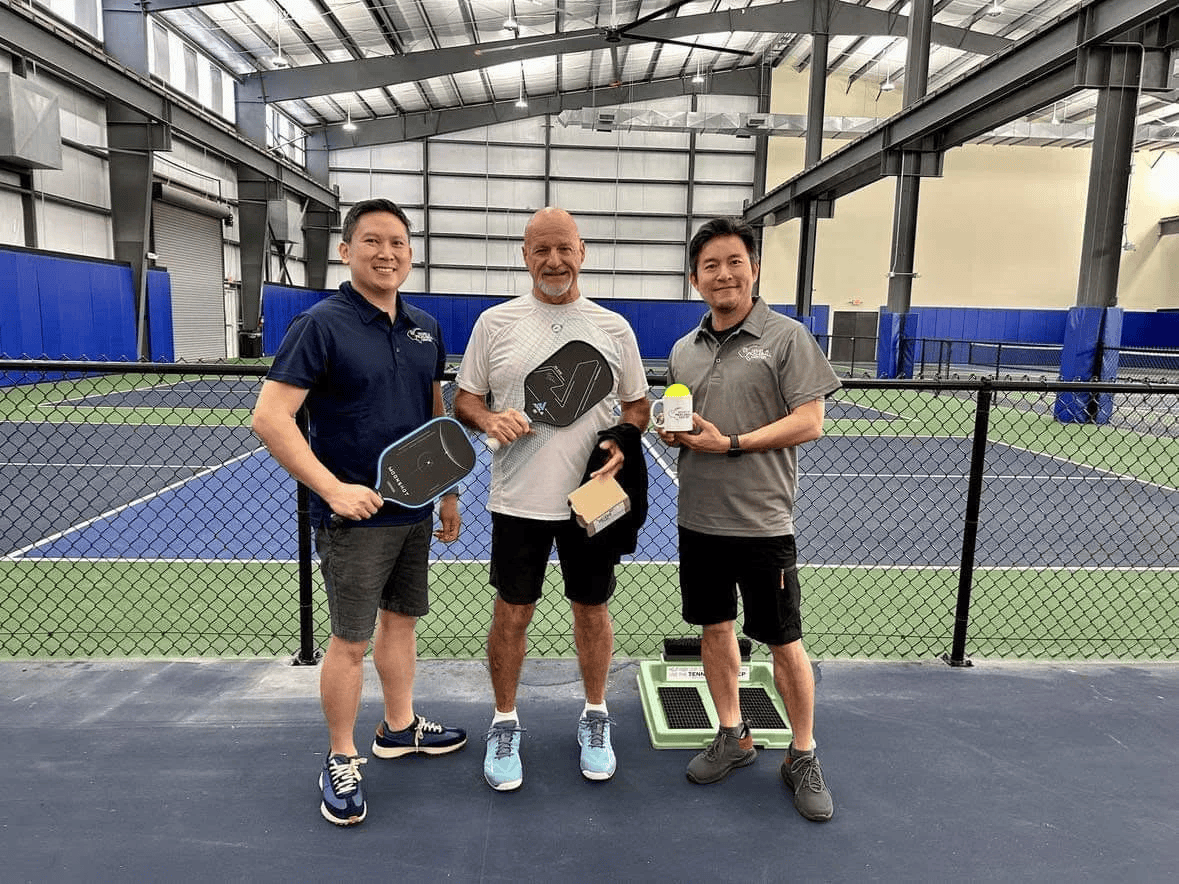
You can pick up a game in virtually any corner of Houston today. The city’s infrastructure has pivoted to meet the pickleball rush with astonishing speed, turning underused lots and park corners into vibrant, modern athletic hubs.
Dedicated Sports & Entertainment Complexes
Houston is setting the benchmark for expansive sports-and-dining concepts, where friendly competition seamlessly merges with a casual night out.
- Chicken N Pickle. The ultimate flagship destination for local enthusiasts. This sprawling venue brings together top-tier indoor and outdoor courts, elevated street food, craft beer, and comfortable lounge spaces. It’s the perfect place to play a couple of fast-paced sets and roll right into dinner with friends.
- Bayside Pickleball / PKLSTR. Fully climate-controlled indoor venues that become lifesavers during the brutal Texas summer heat, when outdoor temperatures routinely surge past 100 °F (38 °C).
Public Parks and Community Centers
The Houston Parks and Recreation Department has stepped up to meet public demand, actively resurfacing older tennis courts into dedicated pickleball setups. Here are the top public spots with free access or nominal fees:
- Memorial Park. Freshly resurfaced courts with professional-grade finishing and a non-stop rotation of players spanning every skill level, from first-timers to local tournament contenders.
- Levy Park. A lively, welcoming green space in the heart of Upper Kirby. The park frequently hosts free introductory clinics tailored specifically for those picking up a paddle for the first time.
This variety of venues is what makes pickleball in Houston truly inclusive. Whether you’re escaping the July humidity on a high-end indoor court or catching a free sunset pickup game at the local park, you’re rarely more than a 15-minute drive from open action.
The Court Revolution: Why Pickleball Is Stealing Tennis Fans
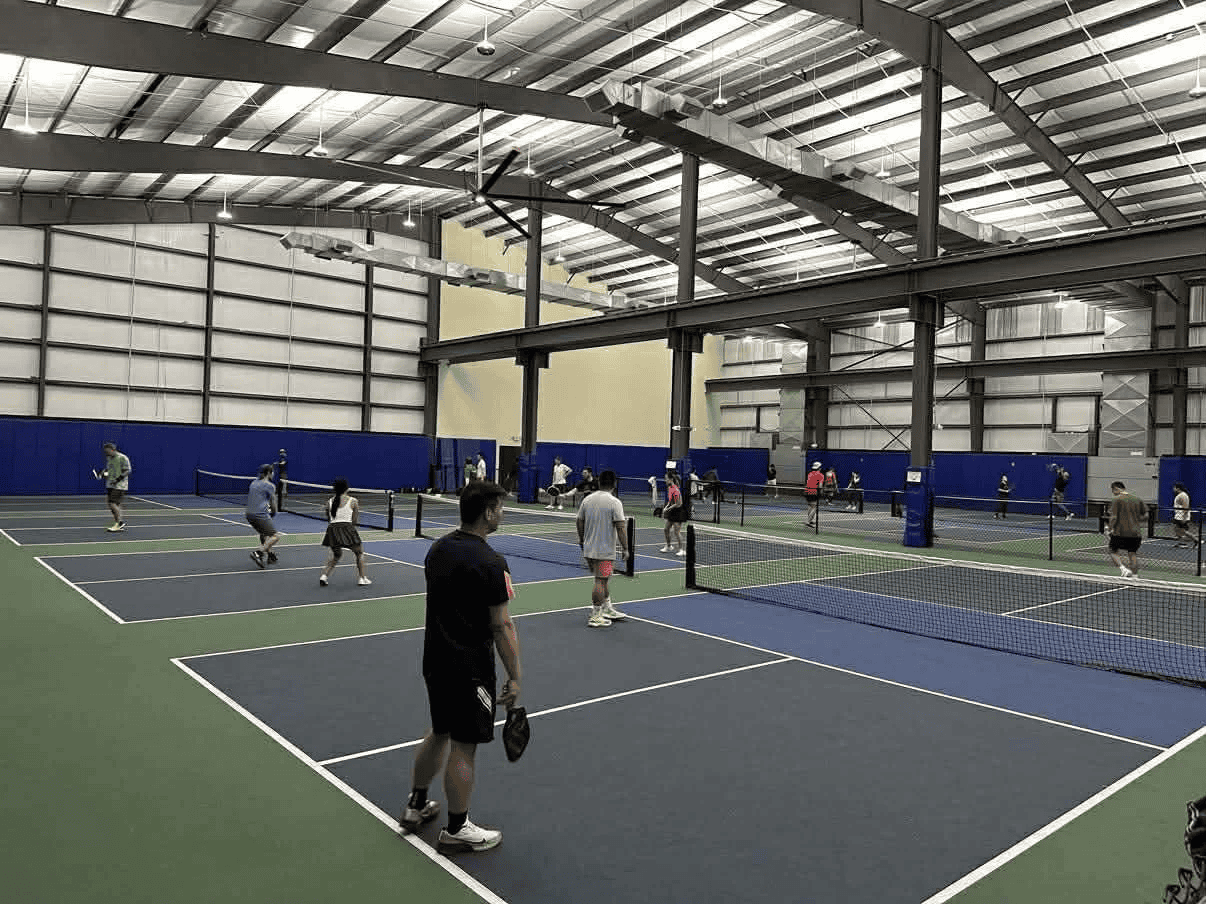
On Houston’s public courts, the clash of generations has evolved from casual banter into a matter of spatial efficiency. The footprint once required for a single traditional tennis court now comfortably accommodates up to four pickleball courts.
Lifelong tennis purists are watching with a mix of surprise and intrigue as a perforated plastic ball breaks their sport’s longstanding monopoly on evening leisure. The shift isn’t about disrespecting tradition; it’s an efficient calculation of time, energy, and physical longevity.
Head-to-Head: The Classic Game vs. The Texas Mainstream
| Comparison Factor | Tennis | Houston Pickleball |
| Court Size | Large (demands heavy sprint volume and covering extensive ground) | Compact (one-third the size; significantly easier on knees and ankles) |
| Learning Curve | Steep (requires months of coaching just to develop consistent stroke mechanics) | Gentle (intuitive play lets newcomers rally comfortably within 15 minutes) |
| Physical Demands | High (heavy emphasis on endurance, explosive serves, and match stamina) | Moderate (prioritizes lightning reflexes, net touch, and placement) |
| Social Dynamic | Contained singles or doubles matches governed by formal court etiquette | Constant rotation, fluid conversations, and casual mingling between games |
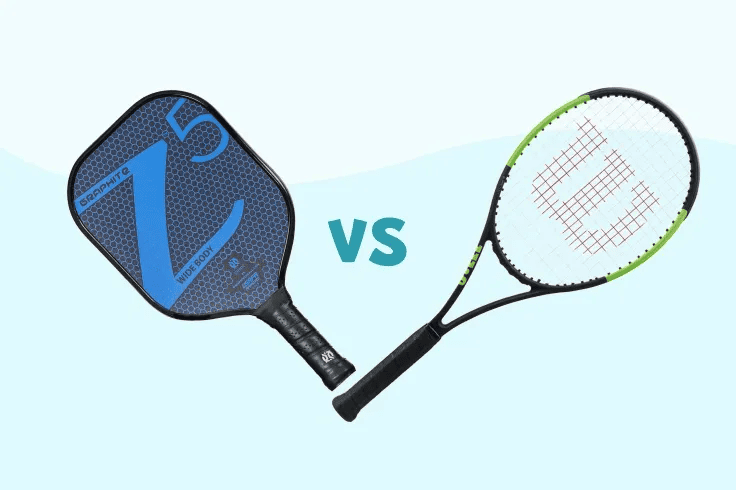
The secret to this runaway success is the removal of the frustration barrier that has kept people away from tennis for generations. In traditional racket sports, beginners spend weeks just trying to keep the ball in play before experiencing the fun of a real rally. Pickleball offers instant gratification. Lightweight composite paddles and predictable polymer balls forgive technical slip-ups, delivering pure, competitive fun right from the first serve.
Just as crucial for Houston is the game’s communal spirit. Tennis is an isolated battle between two or four competitors. Pickleball operates like an open, friendly round-robin: lose a game, rack your paddle, grab a cold drink at the bar, and five minutes later you’re chatting about tech startups with your next teammate. It’s no longer just a sport; it’s one of the most effective networking tools in the Lone Star State.
Your Ticket In: How Beginners Can Plug into Houston’s Scene
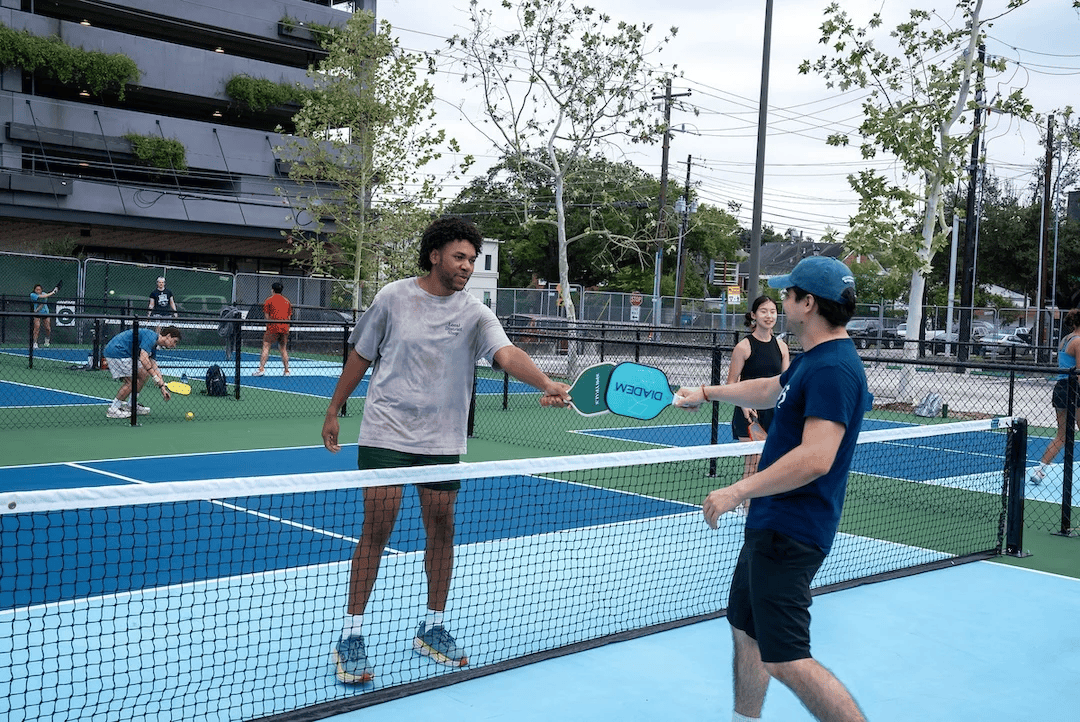
The best part about pickleball is its total lack of pretension. You won’t encounter the stiff dress codes or icy elitism often found in private tennis clubs. Houston’s pickleball scene welcomes newcomers with open arms, making it effortless to jump into games on day one.
- Open Play and the Paddle Rack System.
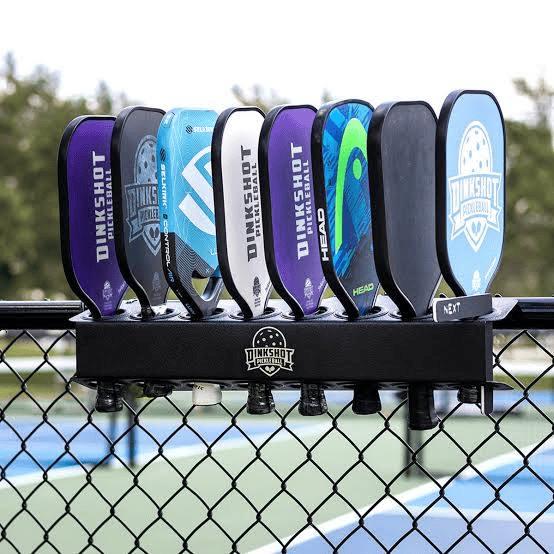
Drop by any public or private court during scheduled open play sessions. The drop-in system is refreshingly simple: just place your paddle in the court rack or bench lineup and wait your turn. When a game wraps up, four new players rotate in. It’s the easiest way to jump into live action and meet a dozen new people in a single evening. - Digital Matchmakers.
Finding partners around Houston is entirely seamless thanks to apps. Local players coordinate sessions through PlayTime Scheduler and track their skill levels via DUPR. Set up a profile, select a beginner bracket (typically 2.0 to 2.5), and you can RSVP for friendly local matchups with a couple of taps. - Social Media Communities.
Active groups like the Houston Pickleball Community on Facebook and various Meetup channels operate around the clock. They serve as central bulletin boards for pickup games, weekend clinics, amateur tournament announcements, and post-game social hangouts.
The Texas Recipe for Urban Stress Relief
If urban planning textbooks ever dedicate a chapter to destressing a bustling metro area of millions without a therapist’s couch, Houston deserves the centerfold. A city renowned for oil derricks, NASA missions, and endless multi-level freeways has found its go-to stress antidote in the snappy “pop-pop” of a paddle striking a plastic ball.
And it’s no gimmick. In a world hyper-focused on productivity, pickleball has given busy adults an excuse to play like kids after 6:00 PM. You don’t need years of training to feel like a winner, nor do you need gear that costs as much as a used car. The competitive drive blends effortlessly with easygoing Texas hospitality: one minute you’re lunging for a drop shot at the net, and the next you’re sipping a cold local craft beer under patio lights, dissecting the season finale of a hit show with your recent opponents.
Houston’s pickleball scene proves something essential: great cities aren’t built solely on highways and towering skyscrapers, but on simple reasons to share a laugh with a stranger across the net. While the world searches for complicated ways to bring people together, Texas handed out paddles, tossed in a ball full of holes, and proved that genuine connection happens best when nobody takes themselves too seriously.