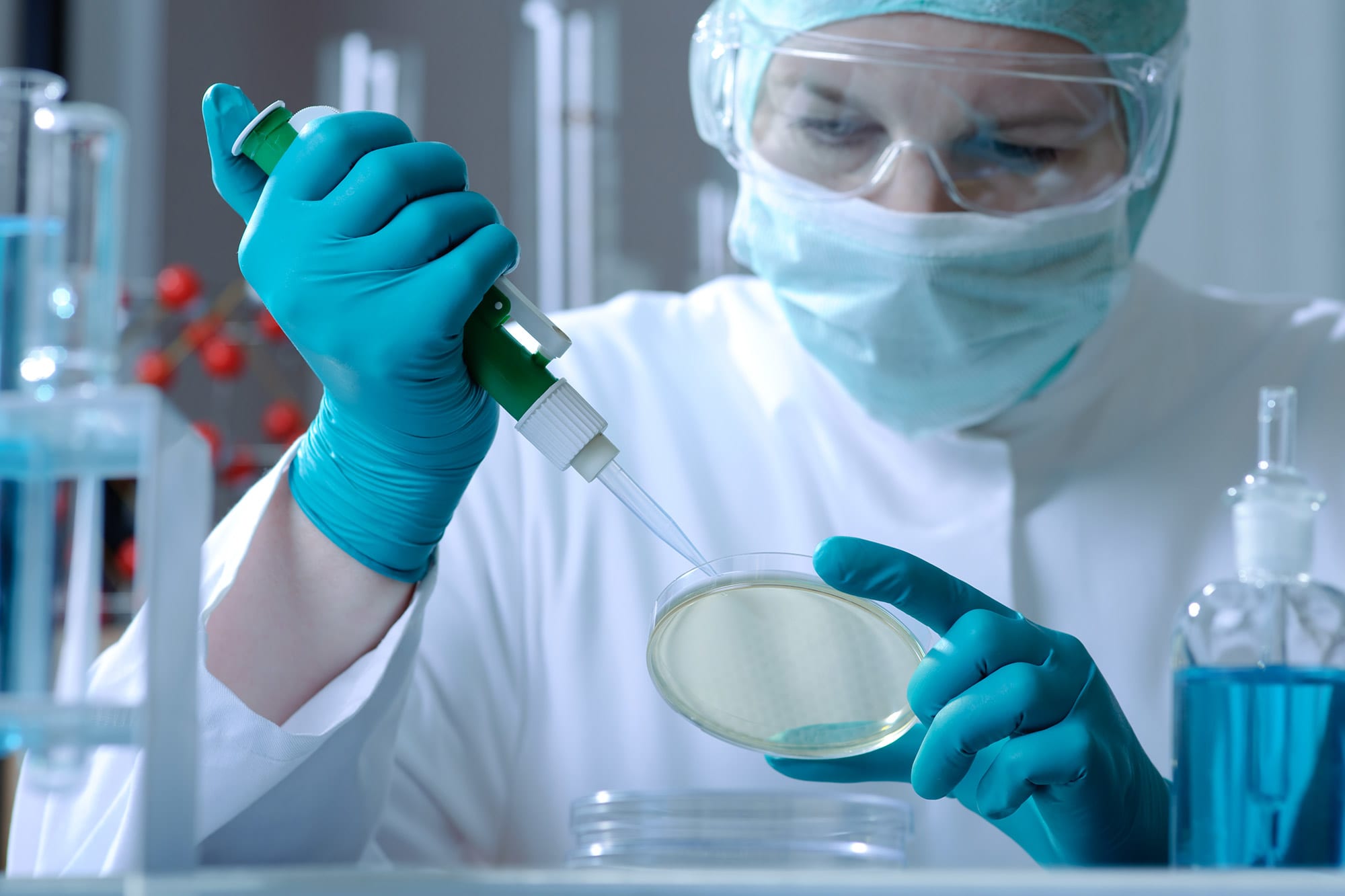

Houston is well-known for its Texas Medical Center, the world’s largest medical complex (as of 2023). There are more than 60 medical facilities in the district, including hospitals, health organizations, research institutes, medical universities and schools. The unusually dense concentration of clinical institutions allows not only for high-quality patient treatment but also for the advancement of basic science, research and discovery. Learn more about the medical breakthroughs of Houston scientists at i-houston.
Silicone breast implants
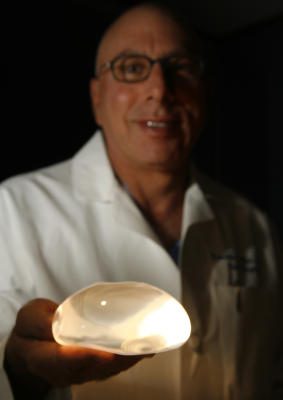
With the assistance of Dow Corning, Houston plastic surgeons Thomas Cronin and Frank Gerow created the world’s first silicone breast implant in 1961. The next year, Jefferson Davis Hospital in Houston, which is now closed, performed its first breast augmentation surgery on a woman named Timmie Jean Lindsey.
Dacron graft
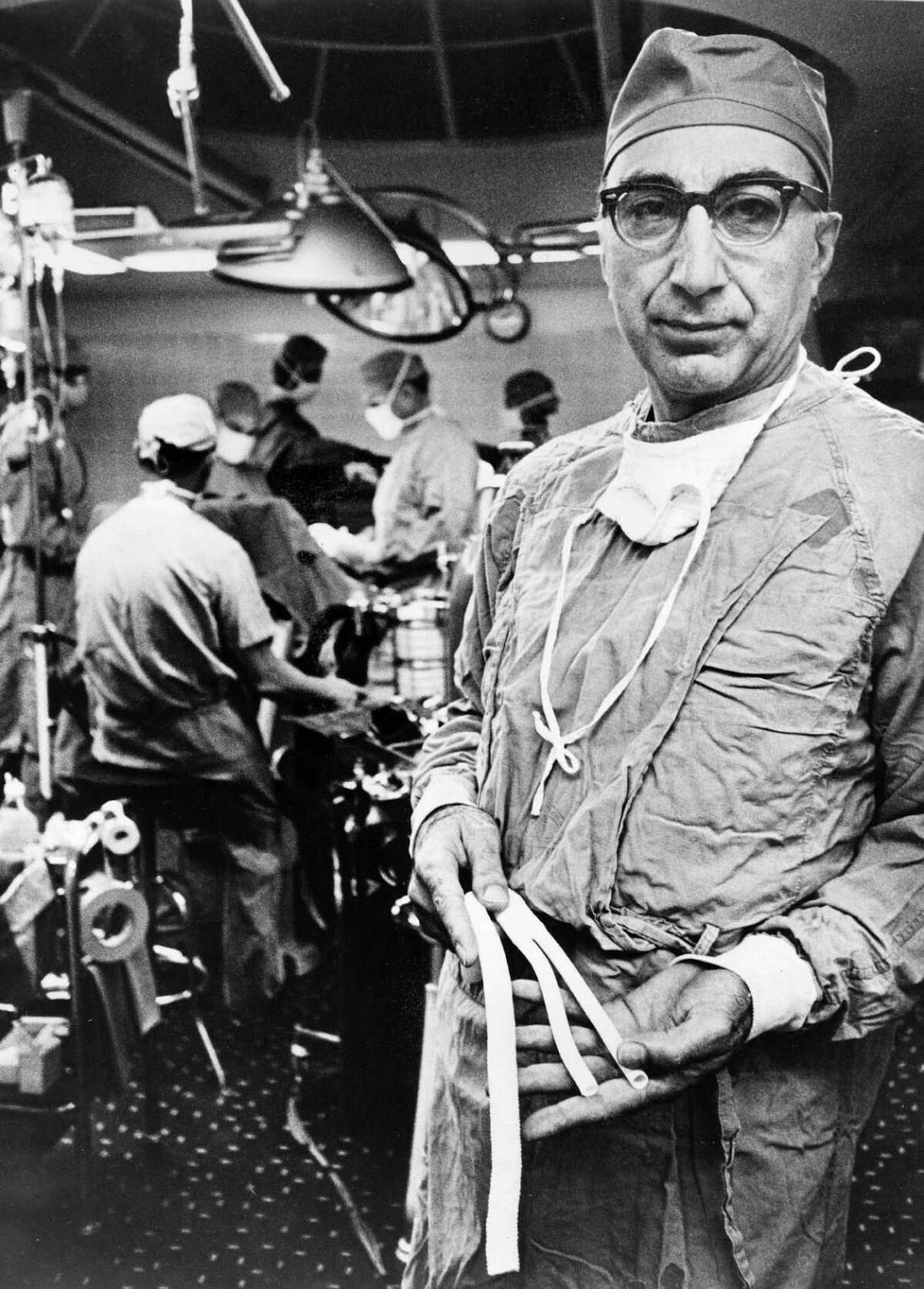
The Dacron graft, which replaces blood vessels, was invented at Baylor College of Medicine (Dacron is a sort of synthetic fiber). In 1952, Houston heart surgeon Michael DeBakey performed the first Dacron transplant operation, in particular, he removed an aortic aneurysm (dilation) near the stomach and replaced it with a Dacron graft. Until that moment, aneurysms and ruptured aortic walls were nearly always fatal.
For a long period of time, surgeons in France and the United States have been heavily promoting Dacron mesh grafts. They employed Dacron meshes both intra- (on different sides) and extraperitoneal (on one side). Following that, the intraperitoneal usage of Dacron nets ceased because it was discovered that they induce a significant adhesive process in the abdominal cavity, causing splices to form between the intestinal sections, peritoneum and internal organs.
A tool for reducing scoliosis
The first tool to straighten the spines of patients with scoliosis has been developed by Baylor College of Medicine.
Rett syndrome gene
Baylor College of Medicine has identified the gene responsible for Rett syndrome. This is a genetic psychopathological syndrome induced by a brain gray matter mutation. The condition primarily affects females and produces severe mental disability.
In 2009, Dr. Jeffrey Neul of Baylor College of Medicine was awarded a 20,000-dollar grant to conduct research on a cure for Rett syndrome.
Heart framework
In 2013, Doris Taylor, director of regenerative medicine research at the Texas Heart Institute, and her team developed the heart framework. Many scientists believe it was the first step toward the possibility of creating new hearts and other organs for humans. To build the skeleton, Doris took the necessary cells from the hearts of pigs.
Cancer drugs
Baylor College of Medicine is also credited with the discovery of a complex of cytoplasmic microtubules in eukaryotic cells. This finding resulted in the use of a new class of cancer medications.
Innovative heart pump
In 2013, doctors at the Texas Heart Institute developed an innovative heart pump that sustains blood flow but does not generate a pulse. Like through a garden hose, the blood flows steadily through it.
The idea came from Dr. O. H. “Bud” Frazier back in the 1960s, when he was a medical student and worked with renowned cardiologist Michael DeBakey. They performed an operation on a young Italian man, during which his heart stopped. Frazier massaged the young man’s heart with his hand. The Italian’s gaze met Frazier’s at one point, and he reached out to touch the physician. The young man could not be saved and died.
At this moment, Frazier had an epiphany. If he could save someone’s life with his hand for a short period of time, why not develop a pump that could do the same while patients waited for a donor heart? Early heart pumps were powered by enormous devices, and patients were required to remain in close proximity to them in the hospital. New gadgets include rechargeable batteries that may be carried in a backpack or clipped to a belt.
Mobile stroke treatment unit
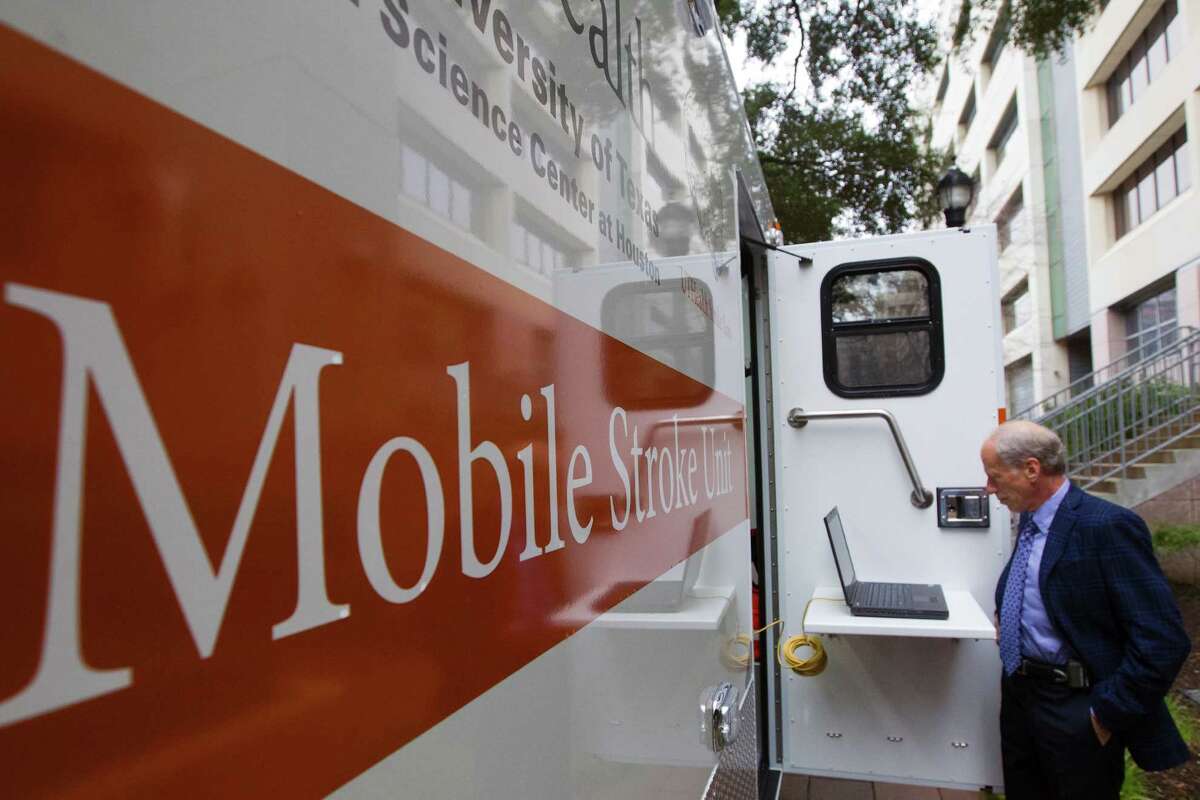
In 2014, the University of Texas School of Medicine, in cooperation with Memorial Hermann Health System in Texas, established the country’s first mobile stroke treatment unit. The ambulance is equipped with a CT scanner, which makes it possible to immediately identify a stroke brought on by a blood clot.
Inexpensive model of a CPAP machine
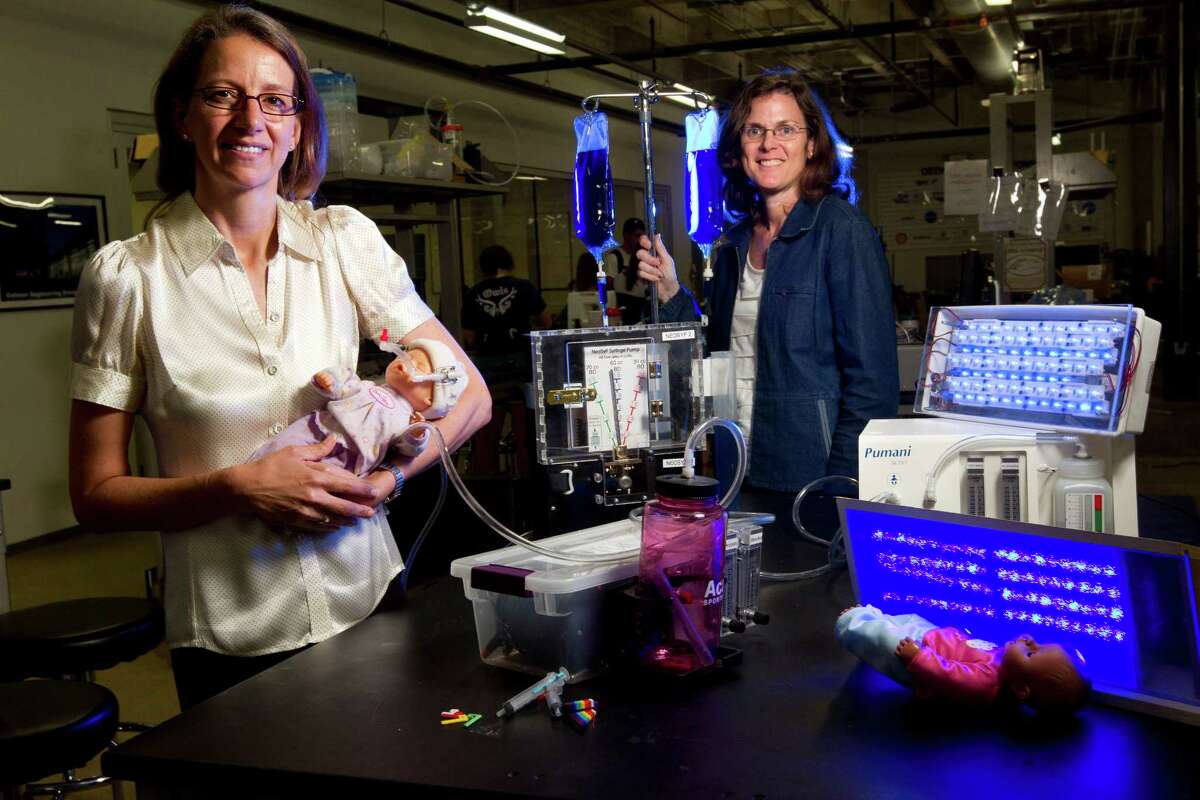
Rice University researchers developed a low-cost CPAP machine for artificial ventilation in the treatment of sleep apnea, which occurs when a sleeping individual stops breathing for brief periods of time. The typical cost of such a device at the time of the invention was 6000 US dollars, however, students built a replica that costs only $400 dollars.
PTSD treatment programs for veterans
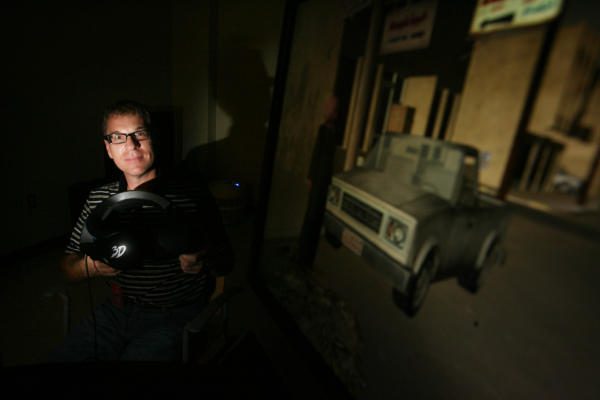
In 2009, Patrick Bordnick, head of the University of Houston Virtual Reality Clinical Research Lab, created programs to assist veterans suffering from post-traumatic stress disorder.
This is real therapy in a virtual setting. The computer generates images, sounds and smells of war. At the same time, this is not a game, but a clinical tool for treating veterans. The goal behind virtual reality therapy is to allow veterans to review their battle experiences with a therapist and then develop healthy ways to deal with fear and anxiety.
With the headset, the veteran has a 360-degree view of the virtual world. A special platform allows him to feel the vibrations of military equipment engines or the shake of a bomb detonation. The scent simulates the smells of smoke, motor fuel, sweat, burnt rubber and other substances. A veteran may interact with soldiers, civilians and rebels, but they cannot kill or be killed.
Other virtual reality programs developed by Bordnick recreate scenarios in the civilian world, such as a busy bar or rooftop party, so that veterans may practice avoiding potential drinking and drug issues that typically accompany PTSD.
The first operation on an unborn child
In 2011, Children’s Memorial Hermann Hospital in Houston performed the first operation on an unborn child. A child that was operated on had a split spine, which is an abnormal development caused by the spinal canal not closing properly.
Uniparental disomy
Uniparental (single-parent) disomy was first described by specialists from Baylor College of Medicine. The term refers to the inheritance of both chromosomes from only one parent. For many years, such inheritance was thought to be impossible. Only with the use of molecular genetic markers was it feasible to demonstrate the possibility of single-parent disomy. Such congenital malformations are brought on by a variety of genetic and biochemical disorders.
Enterotoxin as a cause of children’s diarrhea
Baylor College of Medicine has found that enterotoxin is the cause of diarrhea in children with rotavirus infection. Rotavirus is responsible for 37% of deaths from diarrhea and 5% of all mortality in children under the age of five. Enterotoxin is a protein exotoxin produced by a microorganism that targets the gastrointestinal tract.
System for bone repair
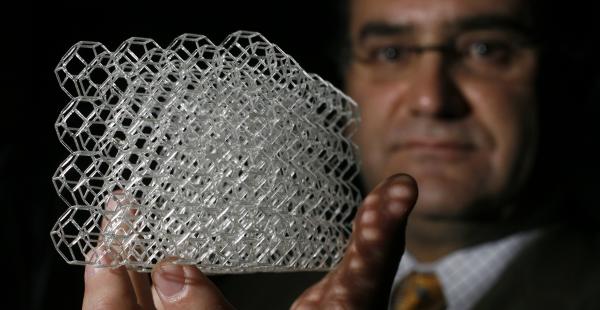
In 2007, Antonios Mikos, a Rice University bioengineer, invented a honeycomb structure used to repair bone tissue using stem cells. The innovation is particularly useful in the treatment of injured soldiers.
Genome sequencing
Not primarily, but in a leading role, Baylor College of Medicine is credited for sequencing the genomes of several species, including mice, rats, fruit flies, monkeys, honeybees, sea urchins, groundhogs, orangutans and cows.
Genome sequencing is the process of determining the nucleotide sequence of the DNA of a particular organism. This procedure plays an important role in medicine since it allows you to discover genetic variations in an individual animal or human in order to diagnose hereditary defects.