

Health has always been a priority for humanity. To restore or improve it when necessary, medicine is essential. Historically, people sought help from shamans and herbalists. Today, we have pharmacies for that purpose. Let’s explore how pharmacy evolved in Houston, as detailed by i-houston.
The First Steps in Pharmacy
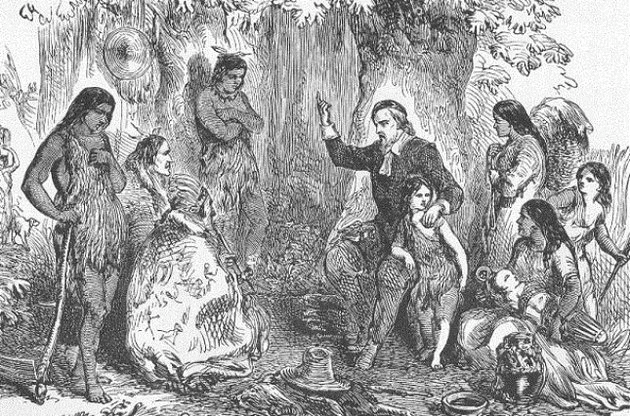
Surprisingly, pharmacy in Texas began long before the city of Houston was founded. Historical records show that the first European to practice both medicine and pharmacy (as these fields were closely connected at the time) in Texas was Álvar Núñez Cabeza de Vaca. His journey was unusual, fascinating, and filled with danger. Upon arriving in America in 1528, he was captured and enslaved by Native Americans, narrowly escaping death. During his years with various tribes, he absorbed their knowledge of herbal healing, while his European expertise and Catholic prayers, which seemed exotic to the natives, made him a renowned healer among them. Thus, he managed to establish a reputation as a skilled healer. After years of hardship, he eventually returned to his people, bringing with him knowledge of herbal medicine, which he fully utilized by trading gathered herbs and self-prepared medicines.

Missionary Pharmacists
As America’s colonization continued, diseases spread among the indigenous population, who lacked immunity to many of the new illnesses. In response, newly arrived missionaries brought medicines with them to treat sick natives. Thus, the first pharmacists and doctors were Spanish priests with limited pharmaceutical knowledge. Naturally, they could not carry a vast supply of medications, so they had to rely on known herbs or adopt Native American practices. Medications were typically prepared at the patient’s bedside. Missionaries carried large bags with essential materials to prepare medicine on the spot. Though their knowledge couldn’t cure every ailment, it was enough at the time in colonial Texas to relieve pain and sometimes heal people. As knowledge and the availability of drugs grew, it became challenging to carry everything in a bag, and some remedies had to be prepared in advance in larger quantities. Prepared medicines were then stored on shelves at home, and eventually, they started being traded for animal skins and other commodities of the time, leading to the establishment of pharmacies in Texas.
19th-Century Pharmacy: Cures, Sodas, and Love Declarations
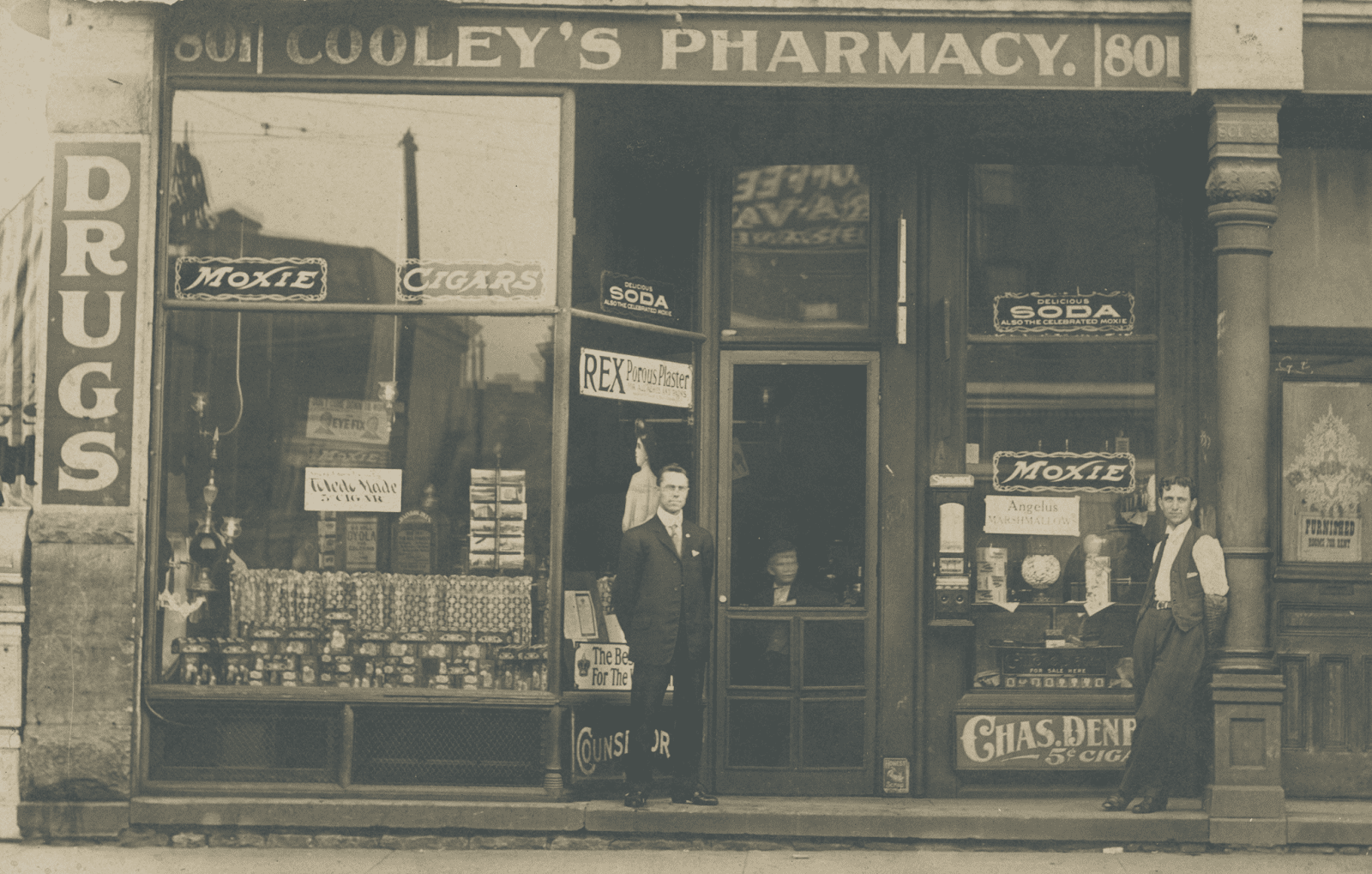
When Houston was founded in 1836, doctors with their own medical supplies also arrived in the city. It is documented that the first physician and pharmacist in Houston was Nicholas D. Labadie, a former military surgeon who eventually settled in Houston and opened his own practice, along with a pharmacy. As the city expanded and its population grew, more doctors opened their own pharmacies alongside their medical practices. Competition among pharmacists soon encouraged innovation, and by 1855, enterprising pharmacists began importing medicines from Europe, advertising them as highly effective remedies for a wide range of illnesses. Among the drugs openly sold were narcotics, which were even advertised on pharmacy signs in Houston. In addition to medicines, pharmacies also sold perfumes, soap, and even some foods, though these were presented as treatments for specific ailments. Pharmacies also became a popular place for dates, as gentlemen could treat their lady to a sweet soda or even ice cream. Many engagements began over a soda at a pharmacy.
In 1879, the Texas Pharmaceutical Association was formed, with Houston pharmacists among its members. This advancement promoted educational opportunities for pharmacists, many of whom obtained advanced knowledge and degrees in Europe. In 1893, Governor James Stephen Hogg called for the establishment of a pharmacy department at the University of Texas, allocating $2,500 for this initiative. Though the program lasted only 14 months, it marked a progressive step for the region’s pharmaceutical industry. After World War II, two more educational institutions were established for pharmaceutical studies.
The 20th Century — A Time of Pharmaceutical Change
With the new century, Houston and the surrounding region began to take pharmacy seriously. Pharmacies started preparing medications by prescription and offered a broad selection of drugs. The early 20th century saw a surge in patented medicines, with almost every pharmacy advertising its own remedies, often as panaceas for various ailments. One of Houston’s most famous patented medicines was Dr. Kilmer’s Swamp Root, created by Dr. Andral S. Kilmer, which claimed to effectively treat kidney diseases. However, many of these were scams, sprouting up like mushrooms. This prompted the passage of a 1905 law mandating that all pharmaceutical companies or pharmacies list product ingredients. While this law did not ban harmful substances in patented medicines, it did require disclosure of contents. Crafty and dishonest pharmacists simply changed labels from “medicine” to “remedy” to bypass the law.
New, clearer laws and regulations largely benefited the industry, including the start of narcotic and barbiturate control and the publication of professional journals. In 1929, Texas required that only qualified and certified pharmacists could open pharmacies.

Houston’s Pharmaceutical Institutions Among World Leaders
Today, Houston’s pharmaceutical industry ranks among the best in the world. For example, the city is home to 12 prominent companies renowned not only in the U.S. but globally. Among them, Bellicum Pharmaceuticals stands out for developing treatments against tumors. The company manufactures products for treating cancer, including pancreatic cancer, which is particularly deadly and challenging to treat.
Another leading company, HD Research, belongs to the Evolution Research Group corporation. For over 25 years, its team of experts has researched and developed new drugs and technologies to combat various diseases.
Houston’s pride also includes Kiromic BioPharma, which uses artificial intelligence to create gene and cell therapies for conditions like cancer and genetic or congenital diseases. Today’s pharmaceutical advancements allow for the treatment of most diseases, yet there is still much to achieve. Houston’s companies stand among the world leaders in this field.