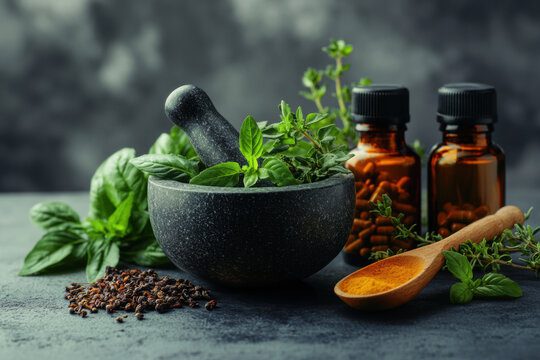

The medical practices of the Indigenous nations historically living in modern-day Houston and along the Texas coast (including the Atakapa, Karankawa, and Caddo peoples) were intrinsically linked to their spiritual worldview and their environment. Healing was seen as restoring a broken balance between the individual, their community, and nature. This is a story of resilience, wisdom, and forgotten lessons that might surprise even modern doctors. We’ll delve deeper into the subtleties of medicine from that era on i-houston.com.
Healing in Harmony
Long before the Texas Medical Center became a global hub for innovative surgery and pharmaceuticals, another, millennia-old form of medicine thrived on these lands. This knowledge, passed down through generations in whispers, belonged to the native tribes who inhabited what is now Houston. They knew nothing of antibiotics or MRIs, but they possessed a profound understanding of nature—from the properties of local herbs to the restorative power of rituals. Let’s peek behind the curtain of their world to see how these ancient healers maintained community health using only what the Texas wilderness offered them.
The Guardians of Health
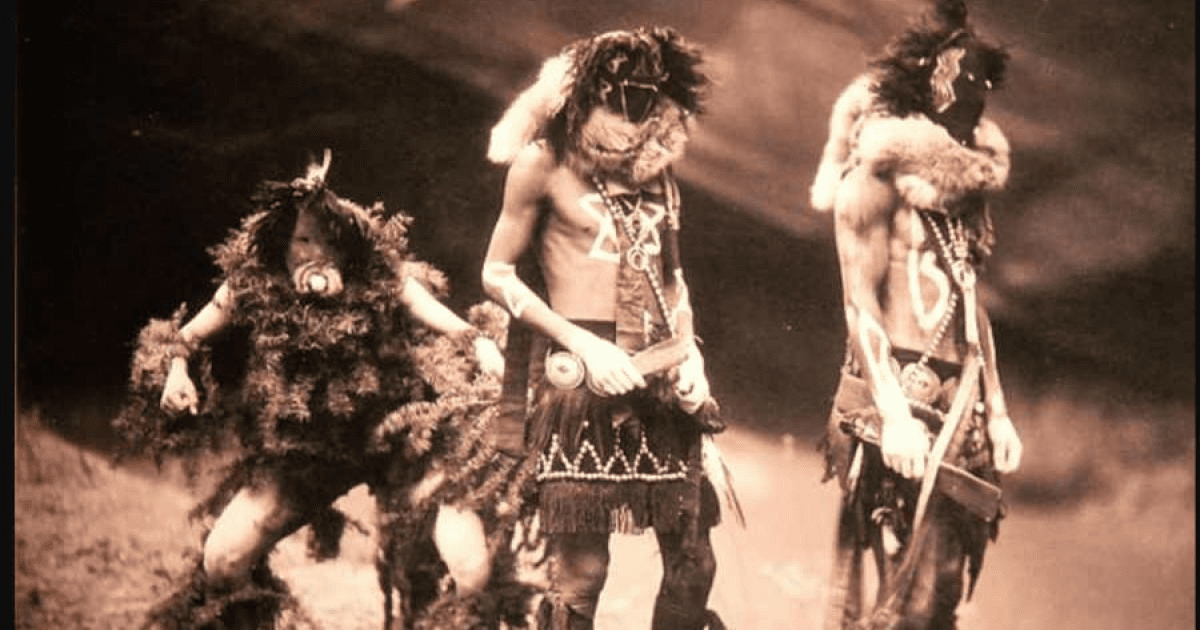
A system of healthcare existed on these lands for thousands of years, founded on a deep belief in the interconnectedness of body and spirit. It featured a clear division of roles between spiritual leaders and physical practitioners. Shamans, often called medicine men, stood at the pinnacle of the healing hierarchy. They were more than simple herbalists; they were the chief physicians and spiritual guides of the community.
Their function extended far beyond the purely physical. They held meticulous knowledge of the spirit world, believing that every illness had a supernatural cause. Treatment began with diagnosis—determining whether the ailment was caused by breaking a taboo, the influence of evil spirits, or perhaps a soul loss.
Intricate ceremonies were performed to expel afflictions or restore inner balance. Medicine men used songs, special prayers, and rituals, typically employing sacred objects like special medicine bundles. Because of this mystical role, they were deeply respected by their tribe members but also viewed with a degree of fear, as it was believed they had the power not only to heal but, theoretically, to cast spells.
Women Healers and Midwives
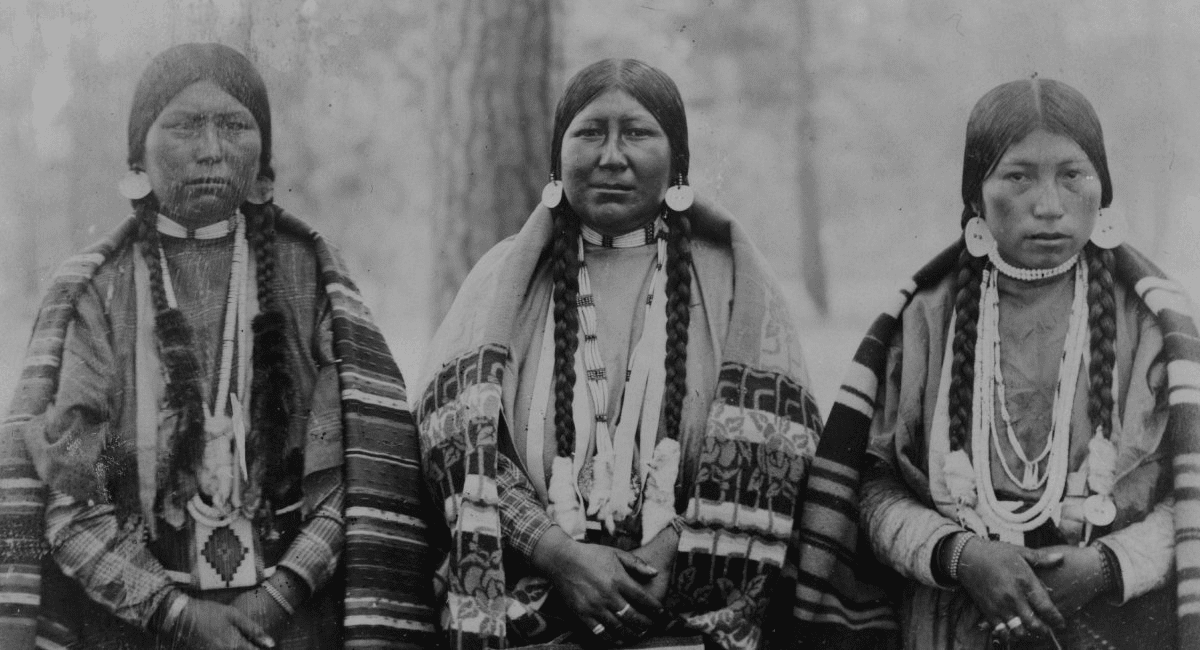
While men often focused on the spirit, women were key figures in physical healing. They were the experts in gathering, preparing, and administering plant-based medicines.
Their practice covered a wide spectrum of essential daily needs:
- Obstetrics: Women served as midwives, responsible for assisting with childbirth.
- Traumatology: They treated everyday injuries, fractures, and cuts, using salves and compresses made from crushed herbs.
- General Ailments: They prepared decoctions and infusions to combat colds and other minor sicknesses.
These women performed a vital, though frequently less public, role, providing the day-to-day medical care that was the foundation of the community’s health.
The Indigenous Pharmacy
The Indigenous medicine chest was based on the region’s rich flora and fauna.
| Resource Category | Purpose | Usage Examples (Common to the Region) |
| Plants | Internal diseases, pain relief, cleansing | Greenbriar roots, acorns, wild berries, willow bark decoctions (a source of salicin, a precursor to aspirin), wild grasses for inhalations. |
| Water Resources | Nutrition, external protection | Oysters and shellfish (valuable sources of nutrients). |
| Mineral and Animal | External application | Alligator fat or mud (especially among the Karankawa) was used to repel insects and protect the skin. |
| Sacred Herbs | Ritual purification, spirit healing | Sage (burned for cleansing space and people), cedar, and Sweetgrass. |
The healing process was rarely limited to simply taking a remedy. It was often a complex, multi-step procedure:
- Diagnosis: The shaman first determined the spiritual origin of the illness.
- Cleansing: Purification rituals were often performed, such as through the smoke of burning sacred herbs or fasting.
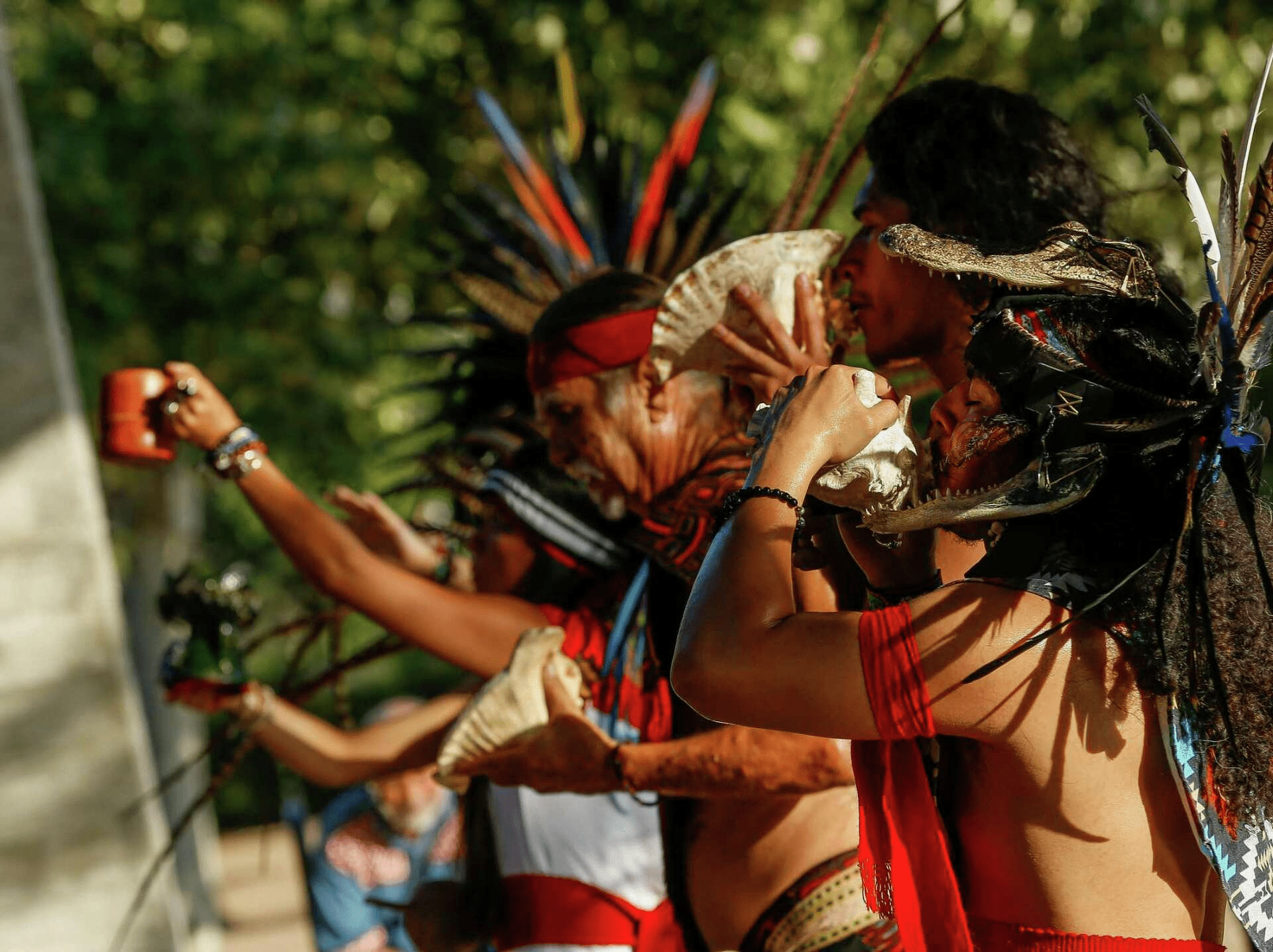
- Ceremony: Treatment was accompanied by singing, dancing, and prayers intended to summon helping spirits to drive out the disease. These ceremonies could last several days.
- Physical Care: Herbal decoctions were consumed, salves were rubbed in, and certain plant parts might be chewed for pain relief.
Surgical Interventions
Compared to contemporary European medicine, surgical interventions were highly limited among the Texas coastal tribes. They certainly knew how to clean wounds, stop bleeding (using natural astringents or cauterization), and splint fractures. Complex internal operations were seldom performed due to a lack of anatomical knowledge and proper anesthesia. In rare instances, Native people might have used jimsonweed as a painkiller (especially for external use), but these were exceptions, not standard surgical practice. Ultimately, Houston’s Indigenous medicine was holistic, prioritizing the spirit over the body.
Forgotten Prescriptions
While the Texas Medical Center boasts state-of-the-art technology today, it’s worth acknowledging that a portion of its arsenal has roots in traditional Native practices. The modern medical community has long since stopped dismissing the knowledge of shamans and herbalists. On the contrary, scientists and pharmaceutical companies are actively researching Indigenous recipes, transforming folk wisdom into scientifically grounded medications. This process is known as bioprospecting.
The Indigenous tribes of Houston and Texas utilized hundreds of plant species, most of which are still subjects of study.
Here are a few concrete examples of how ancient knowledge has entered modern practice:
- Fever and Pain: Many North American tribes, including those in Texas, used willow bark to treat pain and fever. They would chew it or make teas. Modern science confirmed that willow bark contains salicylic acid—the active component that became the basis for the world-famous drug, Aspirin.
- Antiseptics and Wounds: Indigenous people widely used various resins and extracts, for example, from the yucca plant or pine, to disinfect wounds and stop bleeding. Current pharmaceutical research confirms their strong antibacterial and anti-inflammatory properties.
- Immune Support: Native Americans used the roots of local plants like Echinacea to stimulate the immune system and fight infections. Today, echinacea extract is a popular and recognized immune booster worldwide.
Thus, modern pharmacology, especially in Texas, stands on the shoulders of not only laboratory research but also the millennia-old experience of healers who knew how to utilize nature’s determinants of health.
The Legacy of the Native Tribes
Ancient Texas medicine was a comprehensive system where healing the body and spirit went hand-in-hand. That wisdom is actively being leveraged today. Leading medical experts are carefully studying the Indigenous experience. Research has proven the effectiveness of many natural remedies used by the tribes. These facts demonstrate that the Indigenous legacy serves as a vital source of knowledge that continues to influence the development of modern pharmacology.