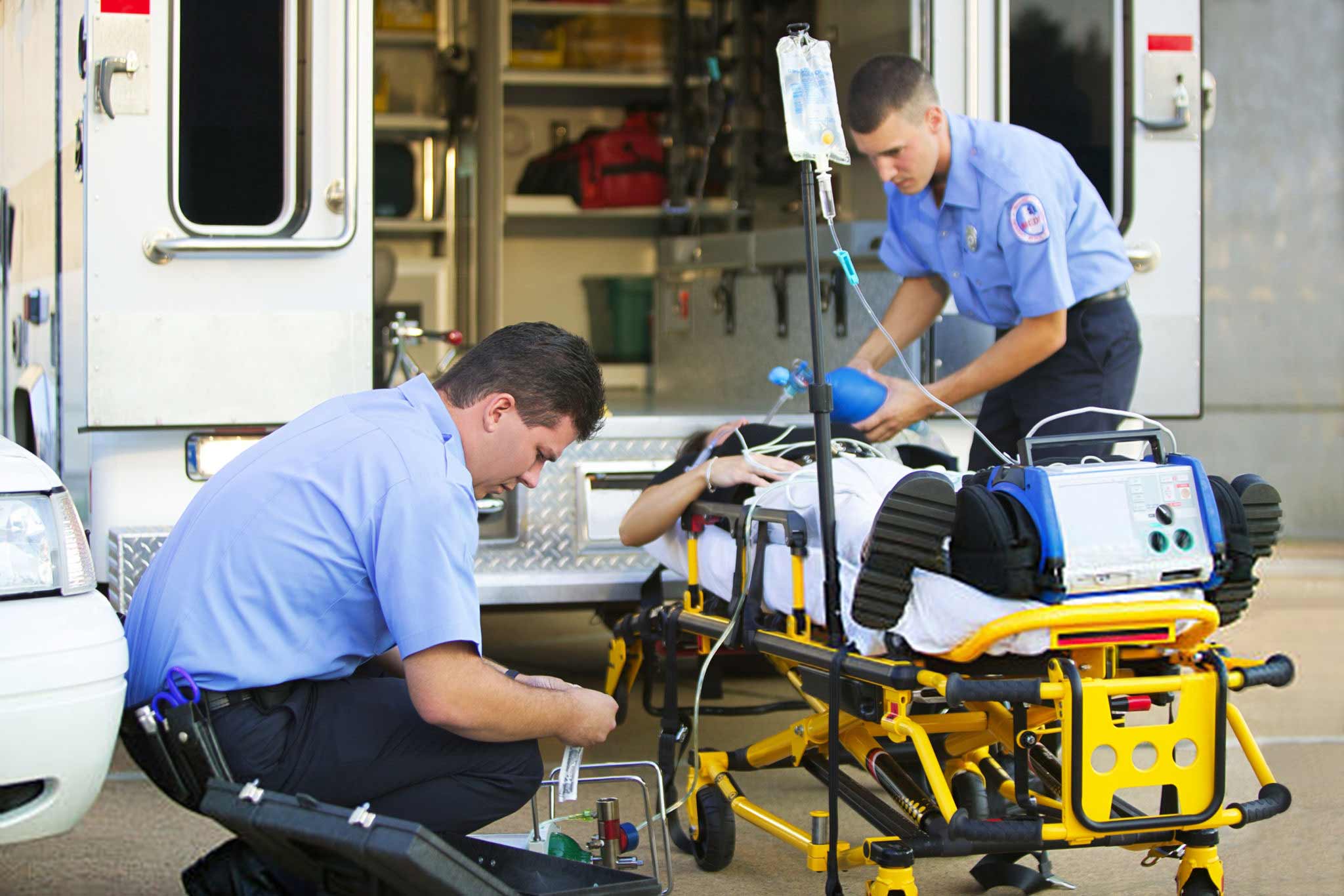

The history of Emergency Medical Services (EMS) in Houston is a compelling narrative of transformation. It’s a story of how chaotic, unregulated services—often run by funeral homes—evolved into one of the most sophisticated EMS systems in the US, now managed by the Houston Fire Department (HFD). This journey, spurred by public pressure and innovative thinking, serves as a powerful example of a global medical hub daring to make radical changes that saved thousands of lives. Learn more at i-houston.com.
The Era of “The Corpse Haulers”
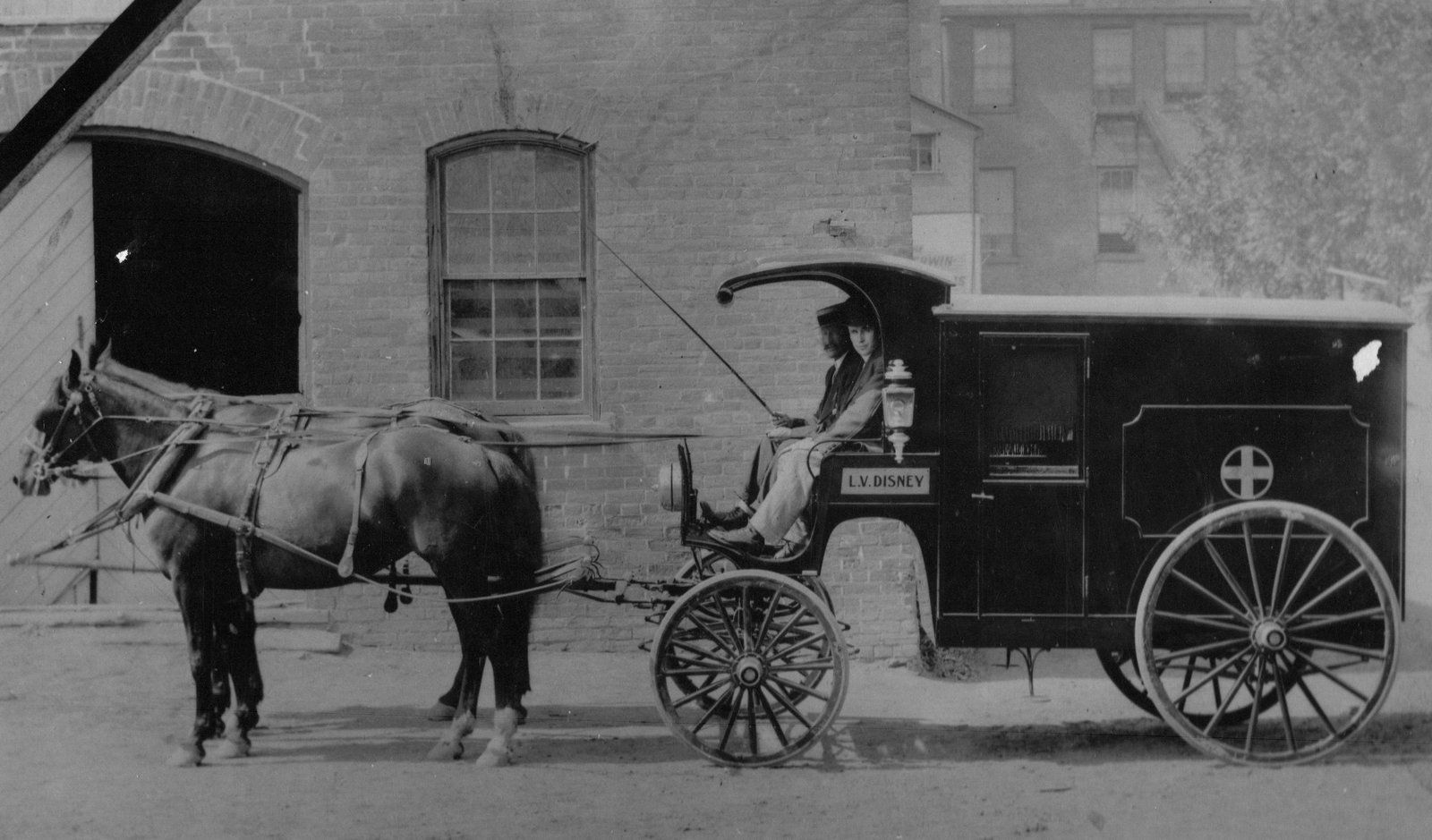
Before the late 1960s, the state of emergency care in Houston was, to put it mildly, appalling. Aid for the injured and sick was fragmented, provided by about eighteen private firms. Roughly half of these were owned by funeral directors.
Vehicles were often nothing more than standard station wagons or vans hastily converted into “ambulances.” They carried minimal medical equipment and, critically, were staffed by minimally trained personnel. Historical accounts reveal that drivers had little incentive to rush living patients to the hospital, as their employers’ primary profits came from the deceased. Response times for an ambulance could stretch up to a full hour, a delay that often amounted to a death sentence in critical situations.
This crisis wasn’t unique to Houston, but it was particularly acute in the rapidly growing Texas metropolis. A landmark 1966 national report, Accidental Death and Disability: The Neglected Disease of Modern Society, highlighted the severe deficiencies in emergency care nationwide, catalyzing the essential need for change.
The Birth of Modern EMS
Pressure from the public, the medical community—including the Harris County Medical Society and the Baylor College of Medicine—and the hospital board finally became unbearable. City officials recognized the urgent need for a centralized, professional, and accountable system.
In 1970, the Houston City Council made a pivotal decision, placing emergency medical care under the Houston Fire Department (HFD). This was a logical choice, as HFD already possessed several crucial assets:
- A centralized fire dispatch system for receiving calls.
- A network of operational stations that could serve as ambulance bases.
- Personnel trained to handle crisis.
- The infrastructure to maintain a vehicle fleet.
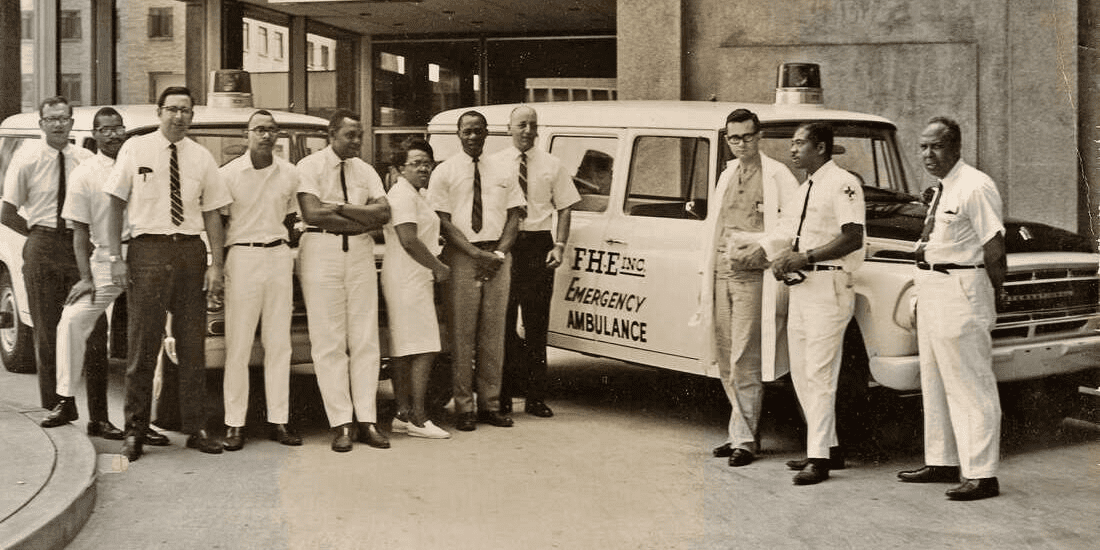
On April 1, 1971, the HFD officially took over city-wide EMS services. Initially, the fleet consisted of low-profile Dodge vans, but the system rapidly modernized. By October 1972, the city had completely transitioned to twenty-two new “Modulance” units—modular ambulances that met the cutting-edge engineering guidelines of the time and were equipped with advanced gear.
Key Milestones and Innovations
The integration into the Fire Department allowed Houston to become a leader in innovation. The personnel of the newly formed EMS were among the first to adopt advanced protocols and equipment.
| Year | Event/Innovation | Significance to the System |
| 1971 | HFD Assumes EMS Operations | Establishment of a standardized, public service |
| 1972 | Introduction of “Modulance” Ambulances | Shift to vehicles specifically designed for emergency care |
| Late 1970s | Implementation of Paramedics | Elevation of care to Advanced Life Support (ALS) |
| 1990s – 2000s | Development of Medical Direction | 24/7 physician oversight for complex procedures |
| Present | Use of 103 Transport Units, including 46 ALS | High level of readiness and comprehensive care |
One of the most significant advancements was the implementation of highly trained Paramedics. This new category of medical professional underwent intensive training far exceeding the traditional skills of EMTs (Emergency Medical Technicians). This allowed them to provide Advanced Life Support (ALS) right at the scene. Paramedics were empowered to perform complex medical procedures, from defibrillation to restart the heart and intubation to secure airways to the intravenous administration of critical medications for patient stabilization. Previously, these vital procedures were the exclusive domain of doctors and could only be performed upon arrival at the hospital, often costing patients their lives.
With the arrival of paramedics, Houston shifted its focus from simple transport to immediate, life-saving treatment, laying the groundwork for a substantial increase in survival rates following trauma and cardiac arrests.
The Pursuit of Excellence
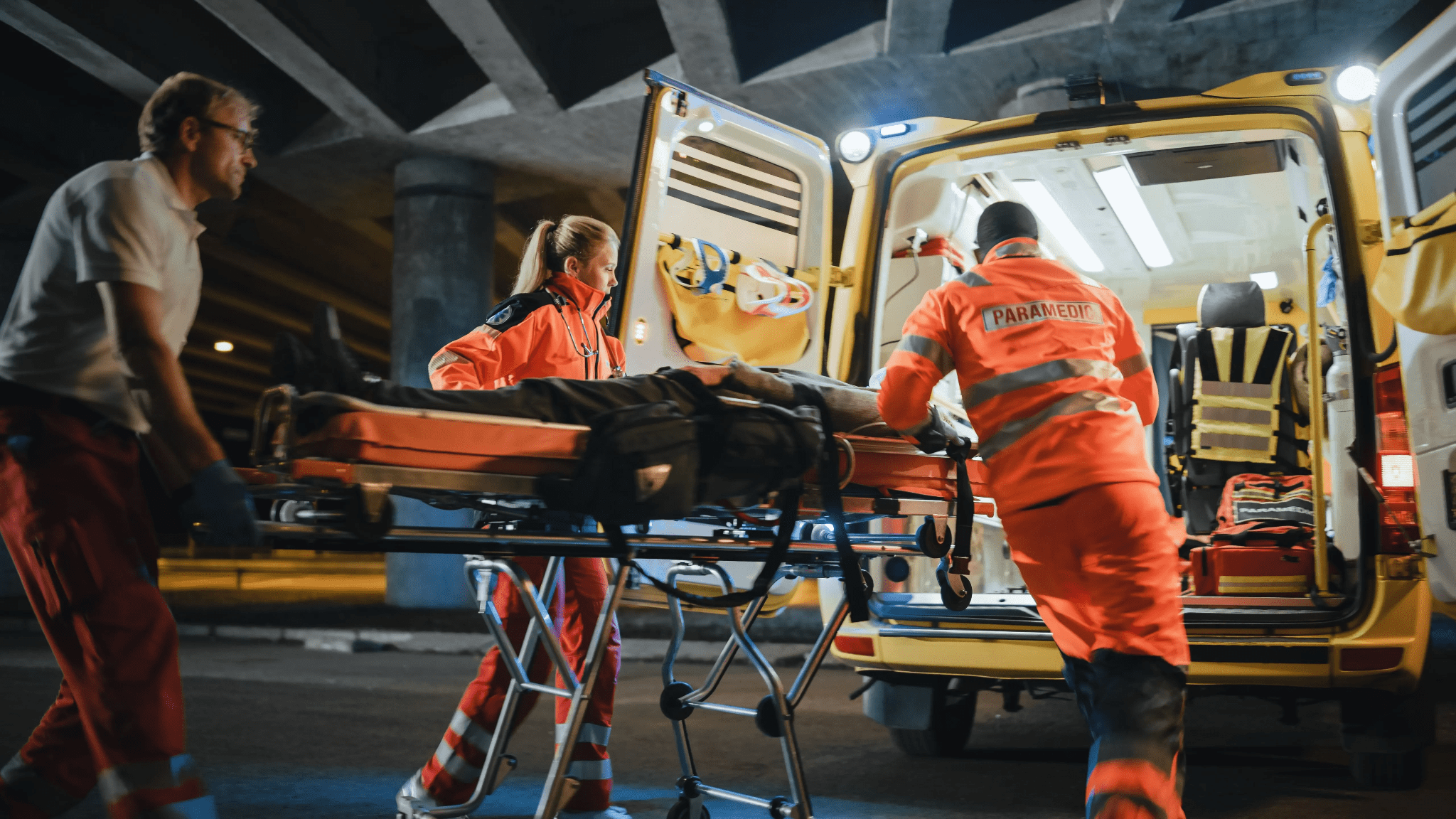
Despite its historical progress, Houston’s EMS system is not resting on its laurels. Having transitioned from a mere transport service to a cutting-edge medical system, it now faces new, complex challenges.
The primary hurdle for the multi-million-resident metropolis remains response time. While the average arrival speed is high, traffic congestion and continuous urban expansion demand constant logistical reorganization. To enhance speed, HFD actively utilizes GPS technology and sophisticated Computer-Aided Dispatch (CAD) systems that help optimize routes and deploy the nearest unit.
Another critical area is ongoing coordination with the medical community. EMS physicians are working to further expand protocols, allowing paramedics to perform even more advanced, on-scene procedures, especially in cases of stroke and severe trauma. The goal is simple: start life-saving treatment before the patient even reaches the emergency room.
Community Paramedicine Programs. This modern initiative involves highly skilled paramedics visiting patients with chronic conditions at home. They help prevent unnecessary 911 calls and readmissions, transforming EMS into an integrated part of primary healthcare.
Telemedicine Integration. Houston is adopting the latest technologies, allowing doctors to view EKG data vital signs and even communicate with patients and paramedics in real time.
By maintaining its commitment to the principles established in the 70s—professionalism and high-quality care—HFD EMS continues to evolve. Its history proves that emergency systems do not merely react to crises; they actively shape the future of healthcare.

The Modern Houston Approach
Today, Houston EMS, as part of the HFD, is a highly organized system. Annually, it responds to over 300,000 incidents. On average, aid arrives for a citizen every one minute and forty-five seconds.
Houston’s current strategy is built on the concept that first responders, such as fire engines and ladder trucks, provide rapid medical first aid for critical calls until the specialized ALS ambulance arrives.
The system also actively collaborates with healthcare specialists, employing a full-time Medical Director and a team of physicians who provide 24/7 consultation and protocol oversight. This ensures the highest quality of pre-hospital care.
Houston’s fight for high-quality emergency medical care is a story of a community demanding better and a government agency transforming itself to meet those demands. The result is a dynamic and effective service that protects the lives of millions of residents in America’s fourth-largest city.