

Houston, a metropolis of global significance and a microcosm of modern America, is facing an unannounced but persistent threat—the HIV/AIDS epidemic. A city known as a hub for medical innovation, it simultaneously carries the largest burden of new HIV diagnoses among all major cities in Texas. This isn’t just a medical issue; it’s a challenge to social justice, where stigma and inequality continue to fuel the virus’s spread. More on this critical topic is available at i-houston.com.
The Sobering Statistics
The facts are clear: the HIV burden in Houston and Harris County is significantly higher than the state and national averages. Data indicates that at the end of 2022, the Houston Eligible Metropolitan Area was home to over 30,000 people with diagnosed HIV. Although the total number of new diagnoses is declining (for instance, over 1,000 new cases were recorded in 2020, a 22% drop from 2019), the rate of new infections still surpasses national figures.
The primary troubling trend is the disproportionate impact of the virus on specific demographic groups, which reflects underlying social inequities.
- Racial and Ethnic Groups. Black/African Americans and Hispanic/Latinx individuals account for the majority of new diagnoses. For example, in 2020, Black individuals made up 47% of new HIV cases, and Hispanic individuals constituted 38%.
- Risk Groups. The overwhelming majority of cases (about 74% in 2020) are associated with male-to-male sexual contact (MSM).
- Age. The largest share of new diagnoses is found in young adults aged 25–34, underscoring the need for targeted prevention.
These statistics make it impossible to ignore the problem. The Houston community has recognized that the fight requires not only medication but also the removal of social and economic barriers.

A Comprehensive Strategy
The city isn’t standing idly by. In response to these challenges, Houston has become a key partner in the federal “Ending the HIV Epidemic” (EHE) initiative, which aims to reduce new infections by 90% by 2030. The local strategy encompasses four main pillars: diagnosis, treatment, prevention, and rapid response to clusters.
The foundation of the care system is the federal Ryan White HIV/AIDS Program. Named after a teenager who became a symbol of the AIDS fight in the 80s, this program serves as a critical safety net for low-income and uninsured individuals living with HIV. It funds a full range of services, from primary medical care and medications to essential social support.
Specific Community Efforts
Local organizations play a pivotal role in the fight, taking on the responsibility of dismantling stigma and ensuring access to care.
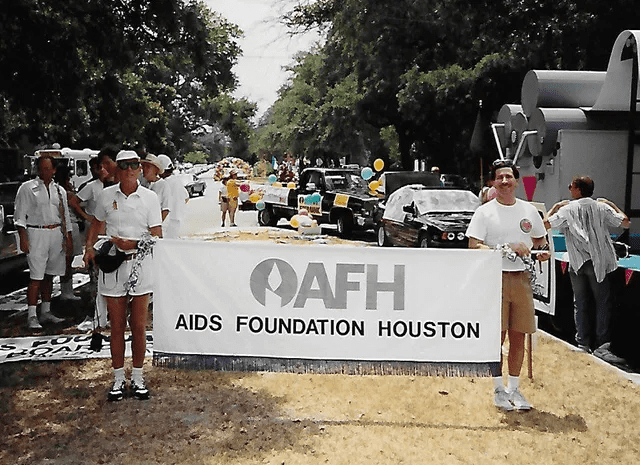
Allies in Hope (formerly AIDS Foundation Houston). This was the first AIDS service organization in Texas. Today, its mission focuses on the “Diagnose, Treat, Prevent, Respond” strategy. They provide testing and housing assistance and actively promote the U=U (Undetectable Equals Untransmittable) message, which means that when a person’s viral load is undetectable due to treatment, they cannot sexually transmit HIV. This is a powerful tool against stigmatization.
Legacy Community Health. This leading center offers comprehensive services. They provide free, confidential, and rapid testing at various city locations, including clinics and the Wellness Bar. This is vital for early detection.
Legacy also vigorously promotes Pre-Exposure Prophylaxis (PrEP)—a daily medication that data shows reduces the risk of infection by up to 99%. They offer same-day PrEP appointments, eliminating one of the main hurdles: the waiting time. For people already living with HIV, cutting-edge options are available, notably long-acting injectable medications, which significantly simplify adherence to the treatment regimen and enhance quality of life.

The Need to Overcome Social Barriers
Despite substantial medical and financial resources flowing through the Ryan White program, the fight against AIDS in Houston remains complex due to the social determinants of health.
Key steps required to meet the EHE goals:
- Expanding Access. It is essential to ensure that people with a new diagnosis are linked to medical care within one month. As of 2024, this metric required improvement.
- Viral Suppression. It is vital that individuals with HIV achieve and maintain an undetectable viral load. This prevents transmission and allows them to lead fulfilling lives.
- Eliminating Stigma. The fear of judgment still acts as a potent barrier to testing and treatment. Ongoing public education is just as crucial as the medicine itself.
Houston is actively engaged in asset mapping within the community, shifting focus from identifying deficits to strengthening existing resources: people, institutions, and partnerships. This strength-based approach is key to creating a more resilient public health system.
The HIV epidemic in Houston is a mirror reflecting both the significant scientific triumphs of modern medicine and the deep challenges posed by social inequality. Thanks to the coordinated efforts of healthcare institutions, non-governmental organizations, and federal funding, the city has every opportunity to turn the tide, transforming the fight for life into a historic victory over the virus.