

It’s hard to imagine the modern world without digital technology, especially in innovative cities like Houston. While this major Texas city was once famous for its oil derricks, today Houston has transformed into a tech hub where innovation thrives across many industries. Digitalization is a huge part of this story. But let’s take it one step at a time. Read more at i-houston.
Historical Context
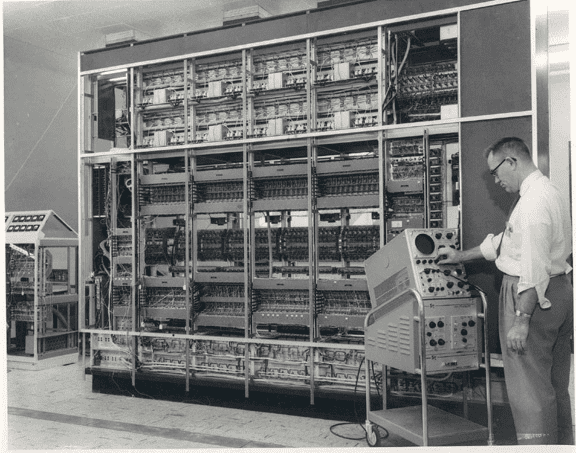
The story of digital technology in Houston began in a unique way. The city adopted these technologies faster and on a larger scale than many other places in the United States. This was largely because NASA chose Houston as the home for the Johnson Space Center. Managing massive and complex missions like Apollo and the Space Shuttle required experts who understood digital technology—and they were needed in large numbers, right away. Therefore, it’s fair to say that the starting point for digital technology in Houston can be traced back to 1963, the year the Space Center officially opened.
Of course, the 1960s didn’t boast the advanced technology we have today, but a crucial foundation was laid. NASA utilized the most innovative resources available in the U.S. at the time. Powerful computing systems were essential for controlling complex spacecraft, managing missions, and processing colossal amounts of data. Furthermore, the Cold War with the USSR fueled a sense of urgency, pushing the nation to excel in the space race and be the first to land on the Moon. As a result, Houston became one of the first U.S. cities where information technology began to develop by leaps and bounds.
Space Technologies
Today, Houston remains a primary hub for space technology, not just for the U.S. but for the entire world. Specialists from all corners of the globe work in the city, developing innovative technologies for spacecraft, spacesuits, and astronaut life-support systems. All this work is aimed at ensuring proper and precise flight control from the ground. The high stakes of this work go without saying.
The Apollo 13 mission vividly illustrates the cost of a single mistake. A single mistyped command among tens of thousands of others led to a near-catastrophe. Fortunately, the astronauts were saved, but the spacecraft, worth $80 million at the time—equivalent to $4 billion today—was lost forever.
This level of precision applies not only to controlling the spacecraft but also to creating a safe living environment on board. There is plenty of work to go around. NASA runs large-scale projects and allocates significant funds to recruitment companies tasked with attracting the world’s best specialists to develop digital technologies for the space industry. In Houston itself, several local universities offer specialized programs that prepare students for future careers at the Space Center.
The Oil and Gas Industry and Digital Innovation
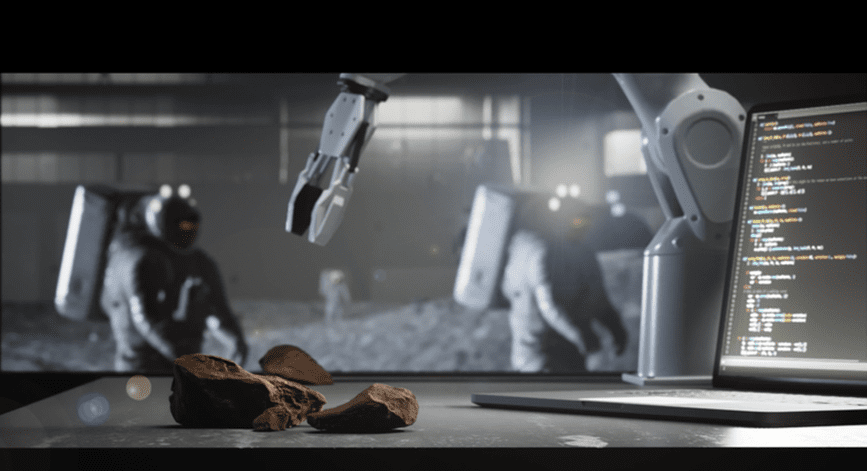
Houston has long been and continues to be the world’s energy capital. Since the early 20th century, oil has been extracted in the region. In the early days, these processes were done manually, with machinery gradually being introduced to ease the labor. Today, many of these operations are fully automated, thanks to the successful implementation of digital technologies. This transition occurred gradually.
The digitalization of the oil and gas industry saw its biggest boom from the mid-1980s to the early 1990s. Initially, technology was used primarily for processing geological survey data. As technology advanced, more and more processes were handled by innovative solutions. Now, the industry uses data analytics and artificial intelligence to explore for oil deposits. It also allows for the remote management of all offshore drilling operations without direct human involvement.
Houston is also considered a leader in the development of renewable energy. The city has made interesting and effective strides in this area. Among Houston’s eco-trends are the advancements in wind and solar power generation. Here again, digital technologies come to the rescue. It is thanks to them that the dream of renewable energy has become a practical reality. Planning, calculations, and even the installation of certain components are all carried out using digital innovations.

Medicine and Nanotechnology
Houston is home to a highly advanced medical sector. The city hosts many research clinics focused on finding cures for devastating diseases like cancer and AIDS. Digital technologies are also used effectively for calculating research data and developing new treatment methods.
While in the mid-20th century doctors literally had to diagnose patients in the dark, today even the simplest diagnostic procedure includes a routine ultrasound.
The high mortality rate from cancer is often due to late diagnosis. It is very difficult to identify damaged cells in the body without the right equipment. Since the early 2000s, the process of diagnosing and locating affected areas has not only become possible but also offers hope for a full recovery.
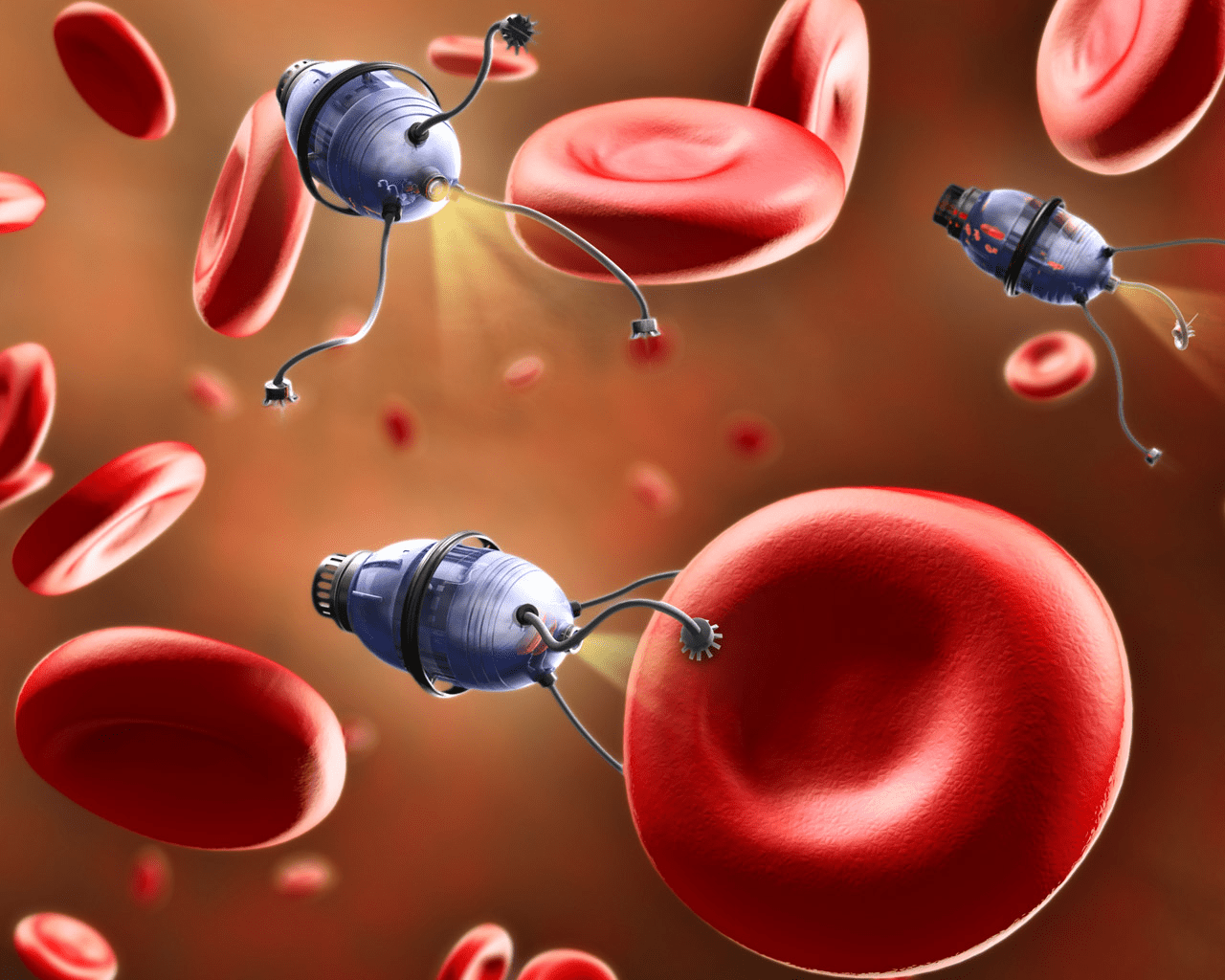
Beyond diagnostics, digital technologies are also used in treatment. For example, one effective method of treating cancer involves nanotechnology. A patient ingests a small device, no bigger than a regular pill. This nanodevice travels through the bloodstream, finds the affected cell, and blocks it.
Another cutting-edge method for combating various diseases, including hereditary ones, is modifying cell RNA. This has become possible thanks to digital technology. As we can see, fantastic concepts that were once just science fiction—things we couldn’t even dream of a few decades ago—are becoming a reality thanks to the innovative work of specialists.
Laying the Groundwork
Of course, humanity’s journey to these achievements was slow. It’s worth remembering that the first computers were the size of a large room, yet their processing power was dozens of times less than that of a simple modern smartphone. But this progress didn’t happen overnight; it was the result of significant preparation. The city’s universities, such as Rice University and the University of Houston, played a major role. Since the late 1990s, they have been actively training highly qualified specialists, conducting scientific research, and collaborating with local businesses to monitor the needs and applications for digital technologies across various industries.
Understanding that a successful future depends on digital technology, the local government actively stimulates and supports this development. Significant funds are allocated for training and launching new startups. As a result, Houston consistently remains a leader in this field, advancing areas such as artificial intelligence, nanotechnology, blockchain, and cybersecurity.

The Digital City of the Future
Houston maintains its status as a leader in many fields, with digitalization holding a prominent place. The city is one of the largest semiconductor manufacturing centers in the U.S. and is home to one of the world’s most powerful supercomputers. Houston is also actively developing virtual and augmented reality technologies. Thoughtfully and gradually, the city is working to transform the metropolis into a “smart city.” The initiatives already in place are helping to optimize traffic flow, improve energy management, and enhance the quality of life for its residents.