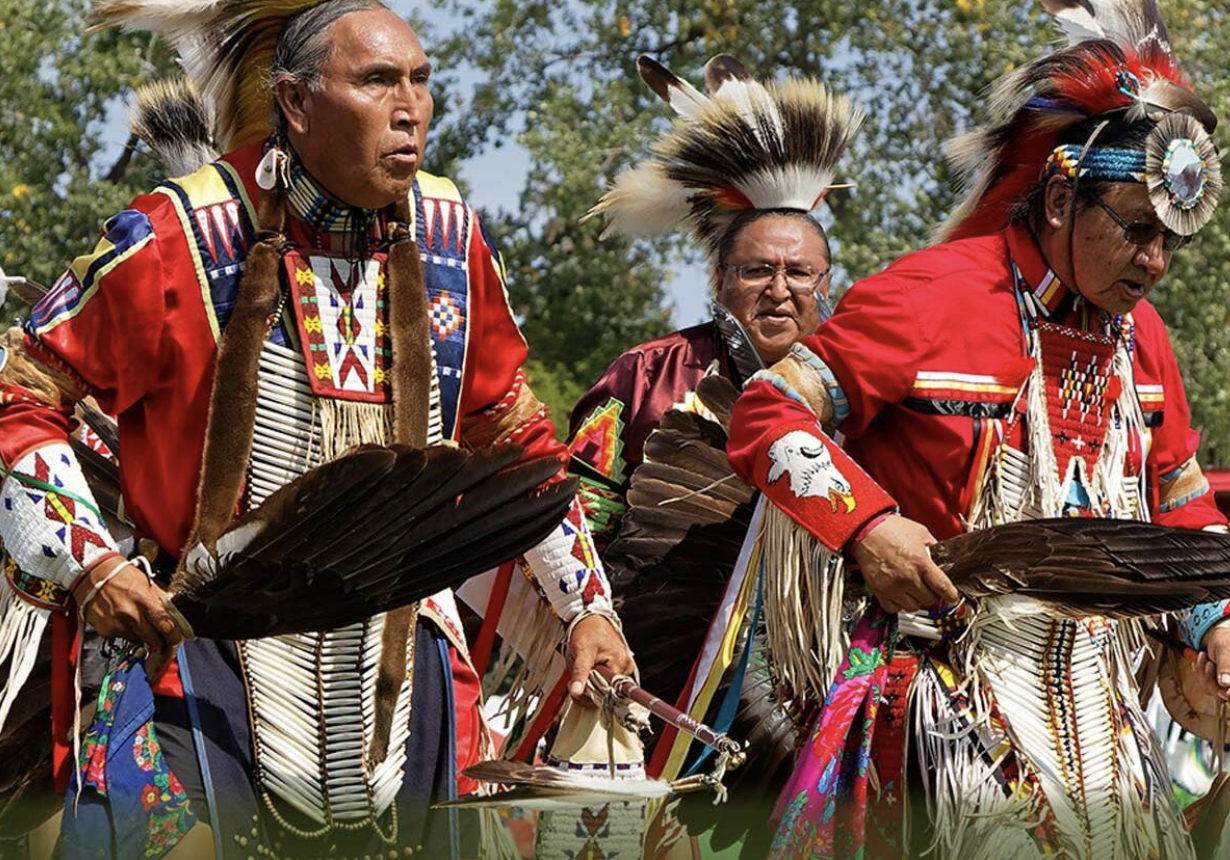

Houston’s history is deeply intertwined with the heritage of Native American tribes. Since ancient times, they have inhabited the areas along the watersheds, making extensive use of the rich rivers and fertile lands. Their culture had a significant impact on the further development of the region, even though their number was catastrophically reduced with the arrival of Europeans. At last, they were wiped out. Read more on i-houston.
Tribes along Buffalo Bayou
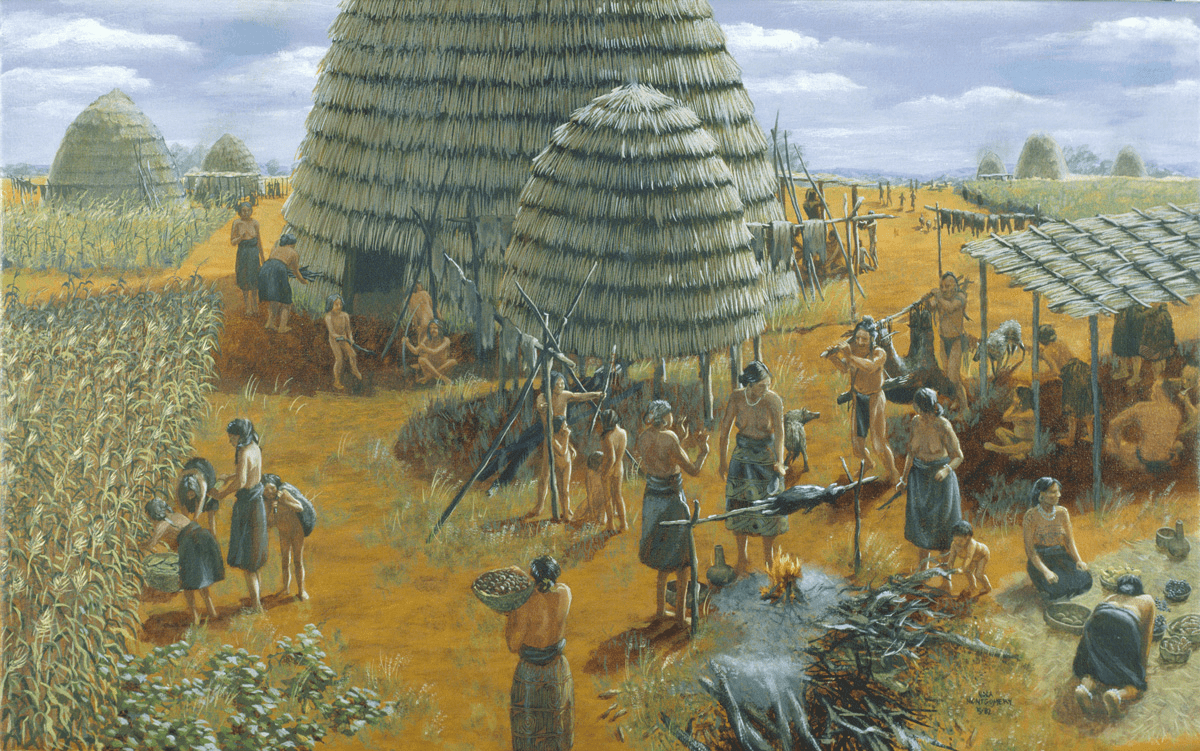
Native Indian groups have shaped Texas throughout its history. According to historians, more than 50 Indian nations lived and flourished in Texas in 1900. The territory on which Houston would later be founded was inhabited by the large Caddo, Atakapa, Akokisa and Karankawa tribes. The Caddo were peaceful farmers who led a sedentary lifestyle and knew how to build clay earthen structures. The Atakapa people were excellent hunters and fishermen. They knew how to build fast wooden boats. The largest tribe by population was the Karankawa. They moved from place to place, living by gathering, hunting and fishing.
According to archaeologists, the first people came to the territory of the Americas from Asia through Alaska as early as 37,000 years ago. By the end of the 15th century, the population numbered more than 10 million inhabitants.
The first officially registered contact with Europeans took place in 1528. At this time, the Spanish ship of Cabeza de Vaca was wrecked near Galveston Island. Many sailors escaped to land, Fearing the Indians, they set off along the river in search of other white people. A few, including de Vaca, remained in the Karankawa tribe. They received him in a friendly manner, were interested in his knowledge and even turned to him for help as a doctor, as he had some experience in medicine. He lived in the tribe for 6 years and left them forever.
Christianity, diseases and a significant decrease in population
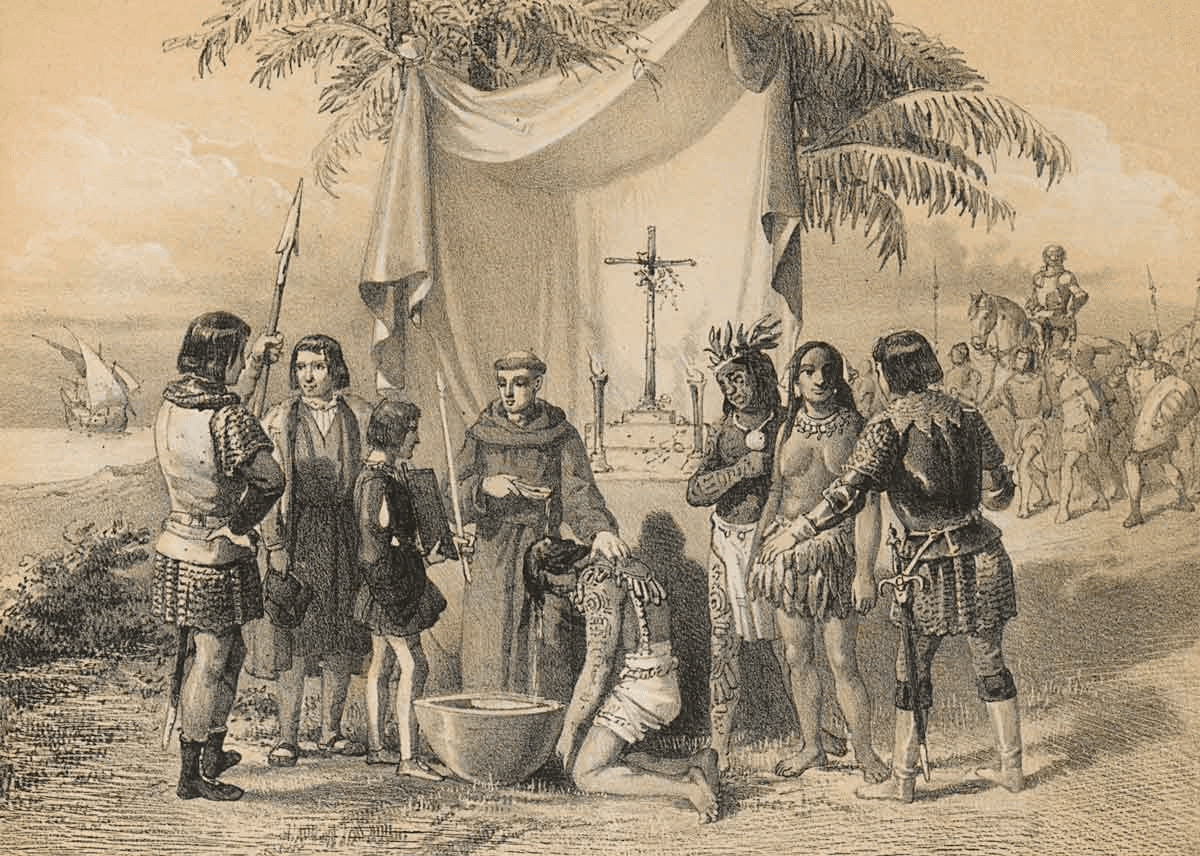
Further communication with white people was not so friendly. They came to promote Christianity. However, their actions were far from love for their neighbors. For three centuries, relations between the natives and European settlers heated up. In addition, strives between the tribes also destroyed the established rhythm of life of the Indians.
The apogee of tension was the 18th century. At this time, the Spaniards intensively built the so-called missions. According to the plan, they were supposed to Christianize the natives. For the most part, Christianity did not appear there. The missionaries felt impunity and did whatever they wanted. The Indians had no rights. Even the killing of a native was not considered a major crime. Another problem was added to this. The natives didn’t have the immunity against the diseases that the Europeans brought with them. The freedom-loving tribes tried to resist. However, the opportunities were unequal. As a result, the natives were pushed out of their settled places along natural reservoirs, which forced them to change their way of life. The partisan war of the Indians forced the whites to create a group of famous Texas Rangers. Samuel Houston, who lived among the Indians and knew their language and customs, tried to reconcile the two hostile nations. However, this did not help much. The hostile policy against the Indians continued, which ended with the fact that the indigenous peoples were forced to settle on reservations. The latter were usually located in the worst parts. They had no choice: either die in an unequal battle or move to the specified reservations. Thus, in 1900, the US census counted only 470 American Indians in the territory of Texas. However, almost 100 years later, there were already 65,877 of them.
Cultural heritage
During this not very friendly but long-term communication, cultural exchange took place. Indian culture, rich traditions, beliefs and cuisine were inherited by Europeans. Although a significant part of this unique culture was lost, some remained and formed a common cultural cocktail for the entire state and Houston.
All tribes had a deep spiritual connection with nature. They sacredly believed that every animal and the smallest plant had its own spirit. Therefore, they revered all this as sacred. Not only hunting with the possibility of killing an animal or fish but even the collection of berries or herbs was carried out with great sanctity and certain rituals. They were excellent at herbal medicine and surpassed the knowledge of Europeans. The aforementioned Cabeza de Vaca, upon returning to Spain, wrote a treatise and shared the knowledge he had gained from the Indians.
Their vision of the transition from one stage of life to another, such as birth, puberty and death was also of interest. All this had to be consecrated by spirits and accompanied by appropriate rituals.
The Indians had their own interesting material culture. They created beautiful woven products that were distinguished by their bright colors and variety. They also extracted dye from plants. Modern products are popular among tourists and residents of Houston. Ceramics were no less interesting. They learned to make beautiful clay dishes. They even had architecture. In this regard, the greatest success was achieved by the Caddos, who built two-story clay structures that had a dual purpose. The cuisine of the natives was preserved the most. A spicy bean dish, flavored with various herbs, became a favorite for the settlers of early Houston. Europeans also adopted the idea of taking dried meat prepared according to an Indian recipe with them on their travels. Now, you can easily find a restaurant where you will be offered to taste sweet corn tortillas or a delicious spicy Indian soup in the city. The Indian heritage is also preserved in place names. The very name of the state of Texas comes from the Indian word Tejas. This is the name of one of the Caddo tribes. There are many such examples of geographical names left in the region.

Current situation
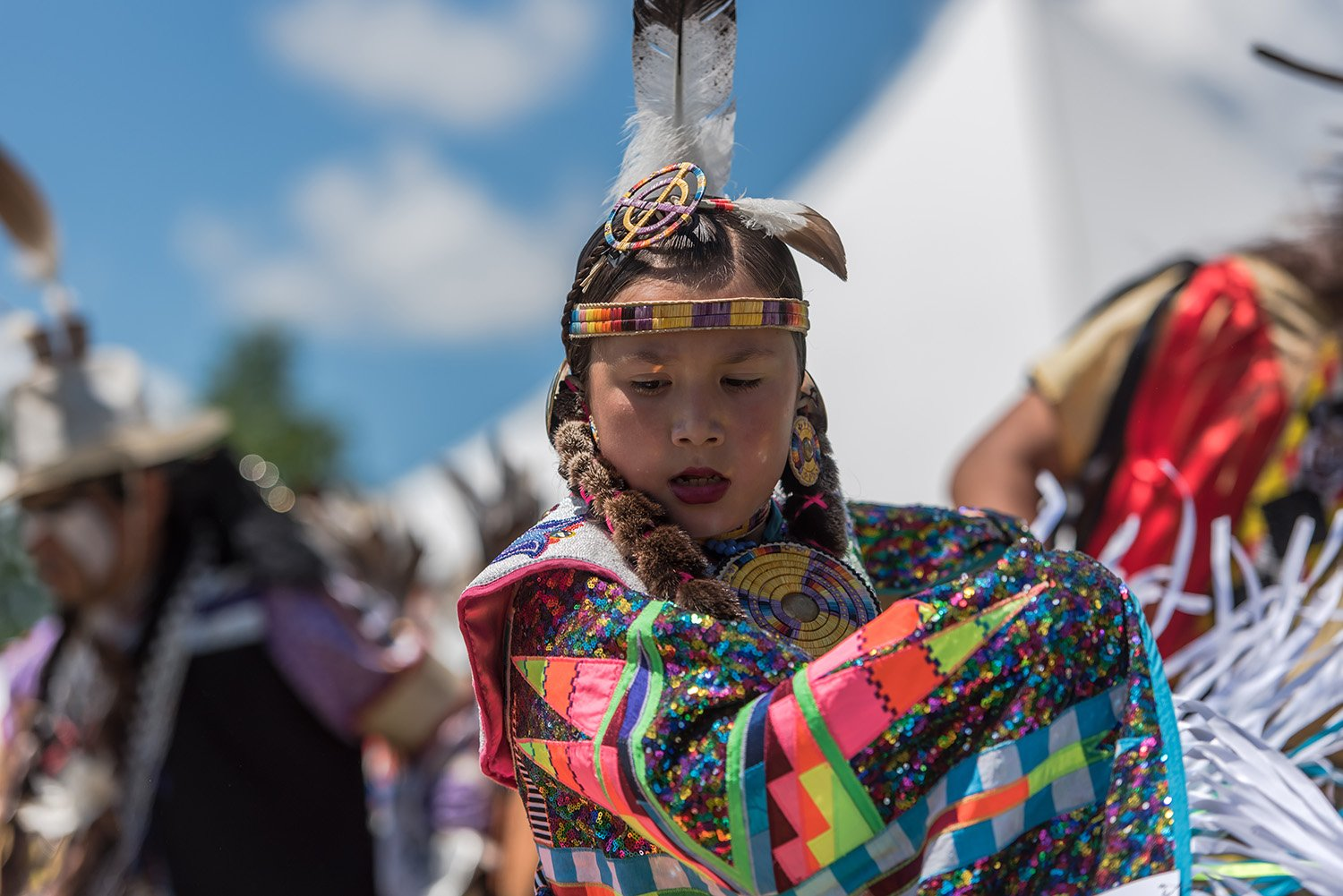
As of the beginning of the 21st century, about 70 thousand indigenous people lived in the Houston area. They have their own cultural and communication centers. In recent years, Texans have realized how important the cultural heritage of these tribes is for the region. In 2020, the local authorities of Houston officially adopted the celebration of Indigenous Peoples’ Day. Without official recognition, the Indians also organized annual holidays. State protection and support take them to a higher level. Every November, the Indian Pow Wow festival is held. This traditional annual event is a celebration of music, dance and Indian delicacies. During it, fairs are organized where you can buy things made by Indians using ancient technologies. The main part is the dance competitions between the tribes, as well as the holding of several ceremonies according to the same rituals as hundreds of years ago.
The Houston Museum of Natural Science has a permanent exhibition dedicated to the indigenous inhabitants of the region. In 2012, a special museum of Indian culture was opened. However, after 5 years of operation, it was closed due to the construction of a new railway line. The museum moved to an online format and is available to anyone who wants to visit it.
Houston continues to support initiatives that recognize the contributions of Native Americans, promoting awareness and respect for their heritage. This recognition contributes to a deeper understanding of the city’s diverse history and encourages dialogue about the region’s natives.