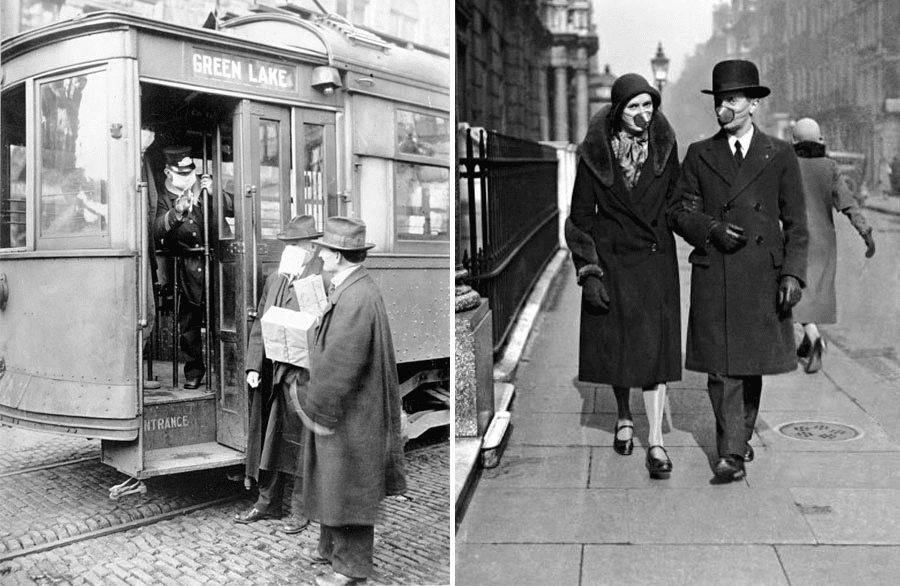

Throughout the entire period of its existence, humanity has had to battle and endure numerous diseases. While some of them proved to be very simple in terms of etiology, symptoms and therapy, others proved to be far more insidious and complex. Such diseases wreaked havoc on humans and spawned entire epidemics. Continue reading on i-houston.
As a historic city and the former capital of the Republic of Texas, Houston has seen the severity of many diseases and has frantically contended with several epidemics.
What were the most challenging and fatal epidemics in Houston? How did the city officials maintain control of the situation and keep individuals quarantined? Which illnesses does Houston recall most vividly?
Which diseases afflicted the city?
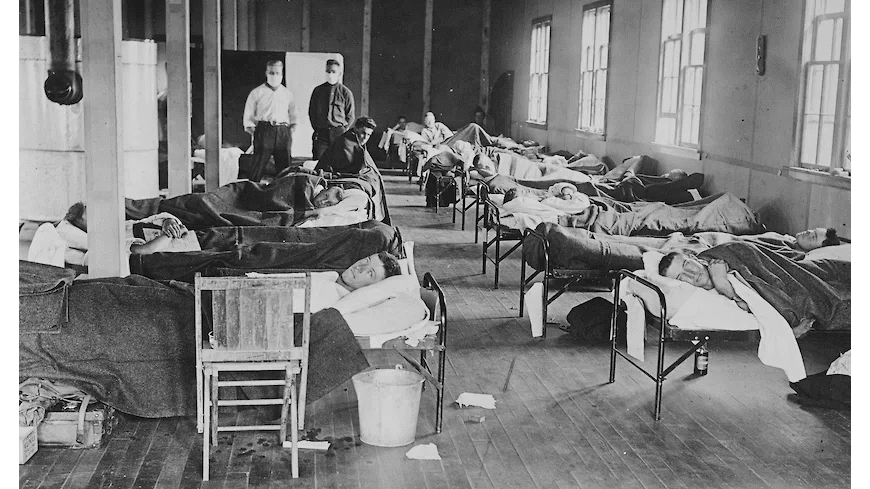
Epidemic diseases can affect both a certain country or geographical area as well as the entire world. For millennia, America has faced and continues to face many diseases.
Based on the available statistics, Texans (including Houstonians) have been subjected to the majority of epidemics since the nineteenth century. People back then had to deal with diseases like cholera, yellow fever, flu, measles, diphtheria, smallpox and others.
Yellow fever once took the lives of many people who were unable to identify the source of infection for an extended period of time, which caused them to fail to develop an effective anti-disease strategy.
However, all of these fatal cases and ill-fated epidemics have encouraged doctors to conduct additional research into medicine, diseases and cures. By the 20th century, medicine had taken a big step in development.
The epidemics, however, have not stopped. The twentieth century brought new and equally devastating diseases to humanity, including Spanish flu, polio, encephalitis and AIDS. Houston distinguished itself as a city committed to rapid medical advancement and providing all possible care to the sick. This was especially evident in 1989, when the Houston clinic joined in AIDS research, which resulted in the development of a retroviral drug.
In late 2019 and early 2020, the whole world learned what Covid-19 is. Every country has felt the effects of this disease, which has resulted in a pandemic. Texas experienced the first case of the coronavirus on March 4.
Preventing the city from becoming the capital
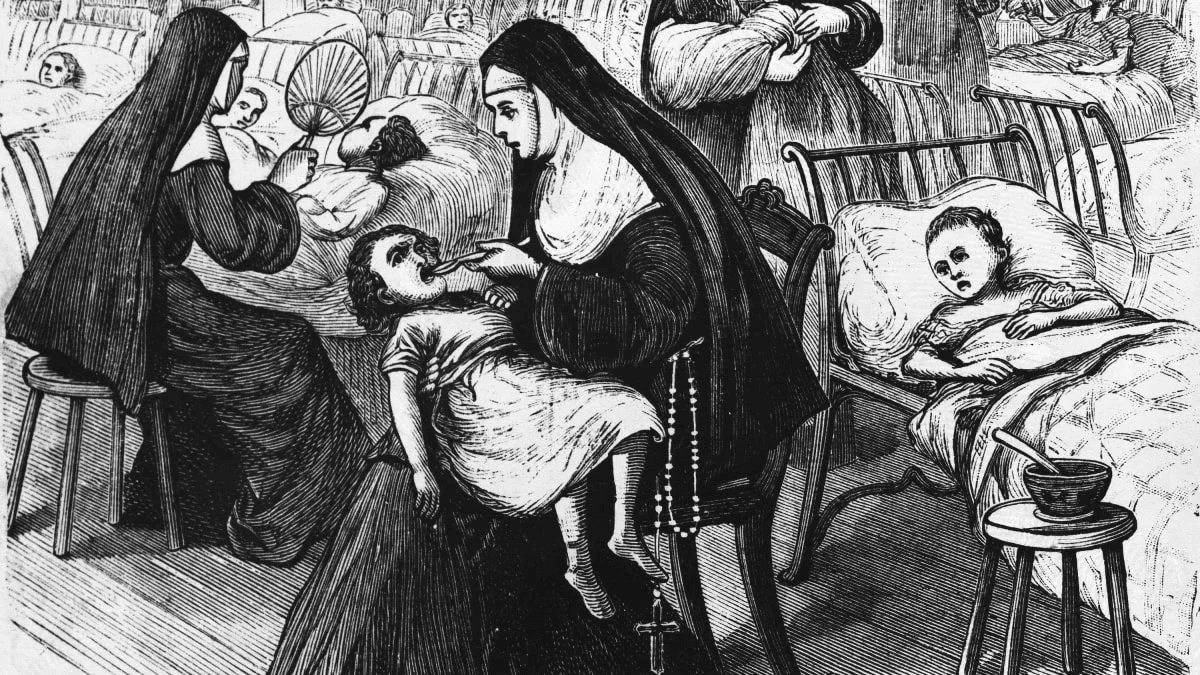
Houston was one of the few cities that developed rapidly in the mid-nineteenth century, intending to become a center of trade and political influence.
In 1837, Houston became the capital of the Republic of Texas, but only until a yellow fever outbreak was discovered in the city.
The virus first appeared in North America in the 1600s, when it was spread by infected mosquito carriers. It wasn’t until the 1830s that the virus made its way to the Gulf of Mexico.
To avoid an outbreak, Waterloo, later renamed Austin, was declared the capital in 1839.
People were so scared of contracting the disease that they stopped greeting and shaking hands with their friends and neighbors. They steered clear of other people and attempted to flee the city as soon as possible.
Nobody could have predicted that the sickness was caused by dangerous mosquitoes since it had not been studied at all. Houstonians used all available means to combat the disease, including firing cannons and tar burning in order to pollute the air with smoke. Doctors believed that the sickness was transmitted by air, thus they utilized such bizarre and ineffective tactics.
Houston quickly lost a twelfth of its population in a few months, and then there was a break from the disease (240 people died, and the total population of Houston in those years was 2,000 people).
New cases of illness reappeared in the city in 1843, killing over 500 people over the summer. Since people died so quickly, they had to be buried all at once, with no funerals or individual graves.
Only in 1900, owing to a Cuban doctor, did humanity realize that mosquitos are disease carriers.
In 1867, Houston faced another outbreak of yellow jack (one of the names for yellow fever). Because the local authorities did not take the appropriate precautions, such as closing the city for quarantine, out of 7,000 people inhabiting Houston, 492 people died.
However, when the disease reappeared in 1870, the city was quarantined in time and Houston avoided deaths. There were no more outbreaks in the city.
Despite the fact that a vaccine has already been developed and science is making major breakthroughs in development, yellow fever continues to roam Africa, occasionally targeting the United States (the latest case was recorded in 2002).
How did the Spanish flu reach Houston?
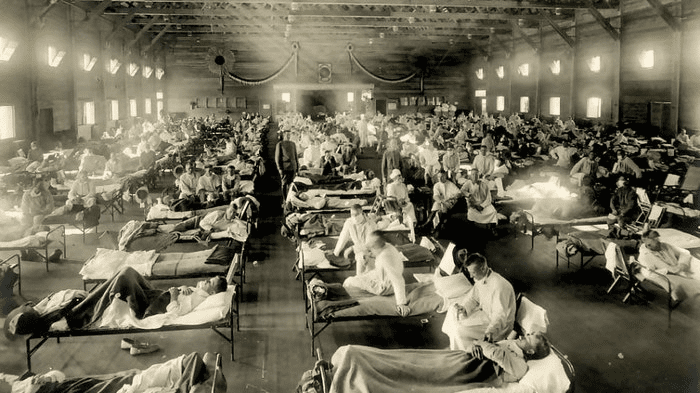
In 1918, one of humanity’s worst epidemics occurred, and the entire globe discovered what the Spanish flu is.
The flu was not discovered in Spain, so there was another reason for such a name. The truth is that the First World War was taking place at the time. Hostile countries were already aware of the flu’s existence, but military censorship prevented them from officially declaring it. Spain was the first country to declare the disease’s existence and its severity.
The sickness spread immediately. The infected person could have died on the first day: the patient initially had a high temperature that evolved into a fever, as well as nausea and diarrhea. As a result, intrapulmonary bleeding began, and the patient became covered in black spots and died as the lungs flooded with blood, preventing him from breathing.
The disease only caused two outbreaks. Even though the initial spring outbreak missed Houston, the city suffered so badly in the fall that a quarantine had to be imposed, but not right away.
On September 24, 1918, Houston reported that 600–700 cases of the flu infection had been reported during the day and had already resulted in mortality.
The quarantine, however, was only announced on October 9 and lasted 17 days. Schools, educational institutions, theaters, cinemas, shops, salons, pubs and other places with lots of visitors were closed until October 25 (included).
The Spanish flu claimed one-third of the world’s population, with approximately 675 thousand people dying in the United States.
Leader in polio treatment and rehabilitation

Beginning in 1943 and continuing throughout the twentieth century, Houston citizens were afraid of a polio outbreak. Houston, as well as the entire state of Texas, was one of the cities most severely affected by this epidemic.
There was no vaccine at the time since the disease had not been examined yet. Patients experienced not only high fever for several days but also limb paralysis. People were terrified because they had no understanding of what was happening to them when their entire bodies became paralyzed at times. People were forced to use crutches and learn to walk again following their recovery (if they were lucky enough to recover). The sickness was most commonly observed among children.
Houston also rose to prominence as a leader in offering high-quality treatment, followed by rehabilitation after recovery. Particularly after 1955, when the polio vaccine was developed.
Cases of infection occurred again in 1952, but there were several times fewer deaths because doctors already had definite knowledge and worked hard on the vaccine.
Following such a complex epidemic, Houston adopted an even more serious commitment to the development of medicine, medical centers and health education.
Even though new cases were no longer being reported in the city, people remained afraid of the sickness until the end of the twentieth century.