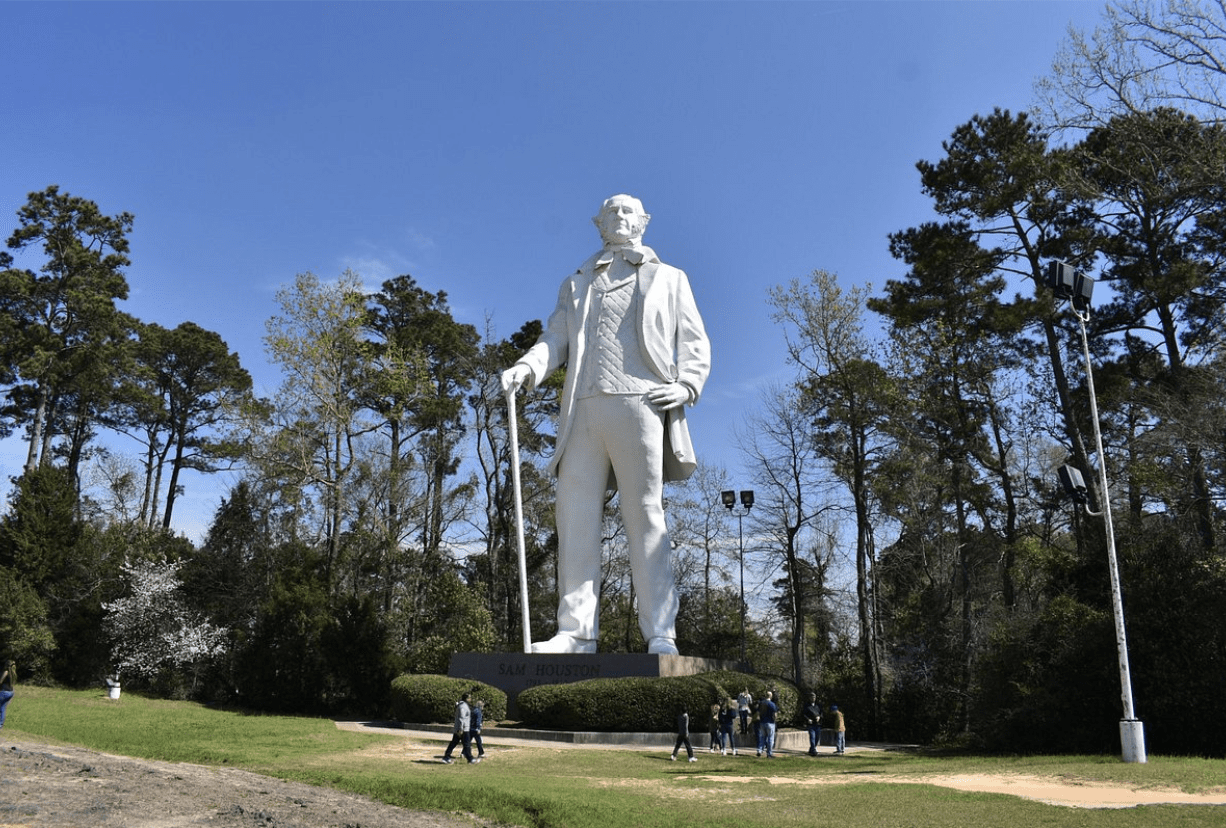

Houston has its own charm and distinctiveness. Despite being relatively young compared to other cities, it boasts its own prominent sports teams, including the Astros, Texans and Rockets. It serves as a US space exploration center as well as a global medical center. Houston is the birthplace of celebrities including Dennis Quaid, Patrick Swayze, Beyonce and Hilary Duff. The city leads the country in terms of the death penalty, which has not been abolished here until now. It ranks as one of the four most populous cities in the United States. However, before all of this has been accomplished, Houston had a lengthy and turbulent history of formation. Learn more at i-houston.
Legacy of the Lone Star State
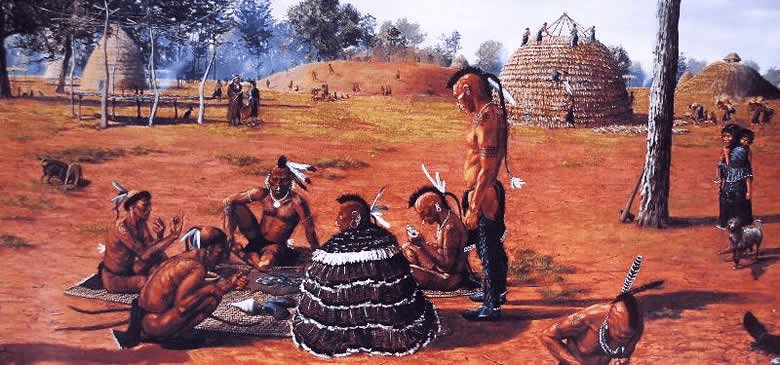
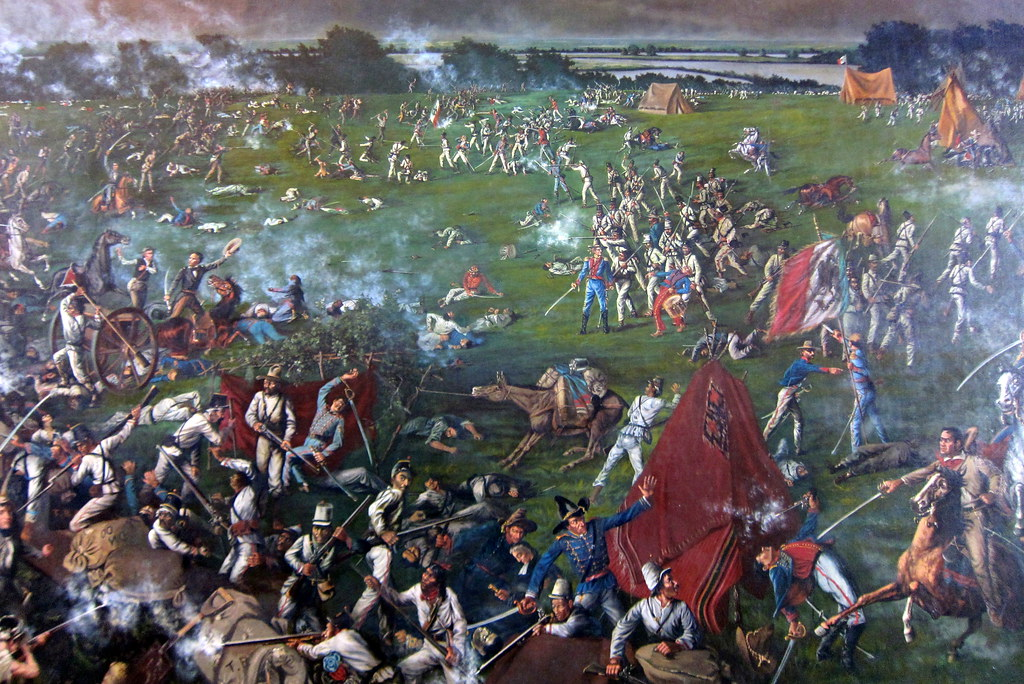
Before the arrival of Europeans, the territory that is now Houston was populated by various indigenous tribes. The most well-known of these are Atakapa, Coahuiltecan and Karankawa. They lived mostly along the Buffalo Bayou River and were engaged in fishing and hunting. The idyllic, carefree life of these tribes was upended when the Spanish arrived. In the 18th century, they designated this area to be part of New Spain, turning it into a colony. However, the French also desired to own this territory. The Spanish even erected several fortifications to defend themselves in preparation for potential attacks. However, trouble came from where they did not wait. Mexico, which declared independence from Spain in 1821, took control over the entire Texas region. Yet, the Mexican government permitted Europeans to live on these territories in order to develop agriculture. This was a costly mistake, since a few years later, the colonists began protesting taxes, slavery restrictions and a number of other matters. The implementation of stricter immigration regulations only intensified the conflict. Then, quantity turned into quality, and such strain in relations led to an armed confrontation. The Texas Revolution, as historians will later refer to these events, began in 1835. The settlers sought independence from Mexico. Mexico, on the other hand, obviously did not want to give up such a tasty morsel. Thus, the armed conflict lasted until 1836. During this time, lots of people died on both sides. However, the turning point of the Battle of San Jacinto occurred in April 1836, resulting in the defeat of Mexican General Santa Anna. Thus, Texas gained its independence. The rebel army was led by Samuel Houston, in whose honor the future settlement was named.
Who was Sam Houston?
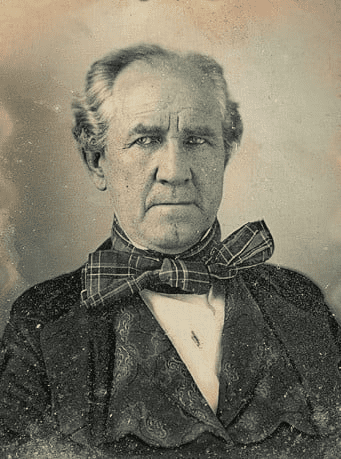
The future commander was born on March 2, 1793, in Virginia. He had eight siblings. Little Sam was 13 years old when his father died, and his mother took the children and relocated to Tennessee. At the age of 16, he ran away from home and lived with the Cherokee tribe for three whole years. Among his new acquaintances, he earned authority and was given the Indian name Colonneh, which meant “the Raven”. He learned their language and adopted their customs. The young man was highly respected among the Cherokee.
Later, in 1812, Sam Houston joined the United States Army to fight against Great Britain. During the war, he received good training, got a thorough understanding of military affairs and was seriously wounded three times. For the remainder of his life, he carried musket bullet fragments in his right shoulder that couldn’t be retrieved. However, good health, a strong body and a young age all contributed to his survival. Still, he had to be treated, and such wounds heal slowly. So, by the time he recovered and returned to service, the decisive victory had already taken place.
Political career and unhappy marriage
During the war, Houston developed a friendship with Andrew Jackson, who served as a father figure to him. It was Jackson who encouraged Sam to pursue a career as a lawyer and eventually helped him become a general in the Tennessee militia. This marked the beginning of his political career. He won two elections to the United States House of Representatives, and in 1827, at the age of 34, he became governor of the aforementioned state, Tennessee. Two years later, the middle-aged man married Eliza Allen. However, family life did not work out, and Sam’s young wife fled after only three months of living together. It is still unclear what happened. However, it is known that following the unfortunate incident, Houston left everything and returned to the Cherokee. He eventually returned to politics in order to fight for the rights of the Indians. In fact, there was an incident in which he got into a fight with one of the congressmen, for which he had to pay a fine. However, in quest of himself, he did not stay long with the Cherokee, even leaving behind a new Indian wife. Houston headed to Texas, converted to Catholicism since Mexican law required it and started a law practice. However, he did not find a calm life here. At this point, the debate over Texas independence began. Houston himself wrote an appeal to the Mexican government requesting that the region be granted independence. Mexico, however, turned down this request. The Anglo-Americans had no choice but to start an armed confrontation. The first battle occurred in Gonzalez in 1835. Houston, who had previous combat experience, was appointed commander-in-chief.
The Houston gambit
Then, things got turbulent. In March 1836, as commander-in-chief, Sam Houston paid a visit to the Cherokee, who lived in eastern Texas. He signed an agreement of cooperation with them. Then he had to attend the Congress that declared Texas’s independence. During this time, the Mexican army besieged the city of Alamo. The wise commander ordered his soldiers to retreat, therefore saving many lives. When the situation favored Mexico and they had a sense of courage, Houston caught them off guard and ordered a sudden counterattack. Struck by the sudden onslaught, the Mexicans were forced to surrender, Santa Anna capitulated and the fight for Texas independence was won.
President, senator and governor of Texas
Due to his triumph and active part in Texas’s independence process, Sam Houston became a favorite among the local populace, which is why he was elected governor for two consecutive terms. To commemorate his accomplishments, the newly established city on the banks of Buffalo Bayou was named after him. It also became the first capital of Texas.
In 1840, Sam Houston married for the third time, to Margaret Moffette Lea, who was 26 years younger than him. They had eight children. Despite her husband’s seniority and status, the wife was able to keep him under control. According to rumors, Sam liked hitting the bottle, but Margaret kept it under control, not allowing her husband to descend into the pit of alcoholism.
When Texas joined the United States in 1845, Houston was one of two senators who represented the new state in Washington. He once again rose to the status of a resolute politician. Despite being a slave owner himself, he was opposed to the expansion of slavery. He was also the only governor in the southern state who opposed secession and refused to swear allegiance to the New Confederate States of America. For this, he was removed from office. Following that, he relocated to Huntsville with his family, where he died of pneumonia at the age of 70.
Well-deserved fame
Despite his quick temper, stubbornness and love of alcohol, Samuel Houston made significant contributions to the city’s development and formation. During his time as governor, the city expanded several times, and much effort was focused on economic development. He was able not only to elevate Texas to the all-state level but also to make it the leading state that was talked about and its interests taken into account.