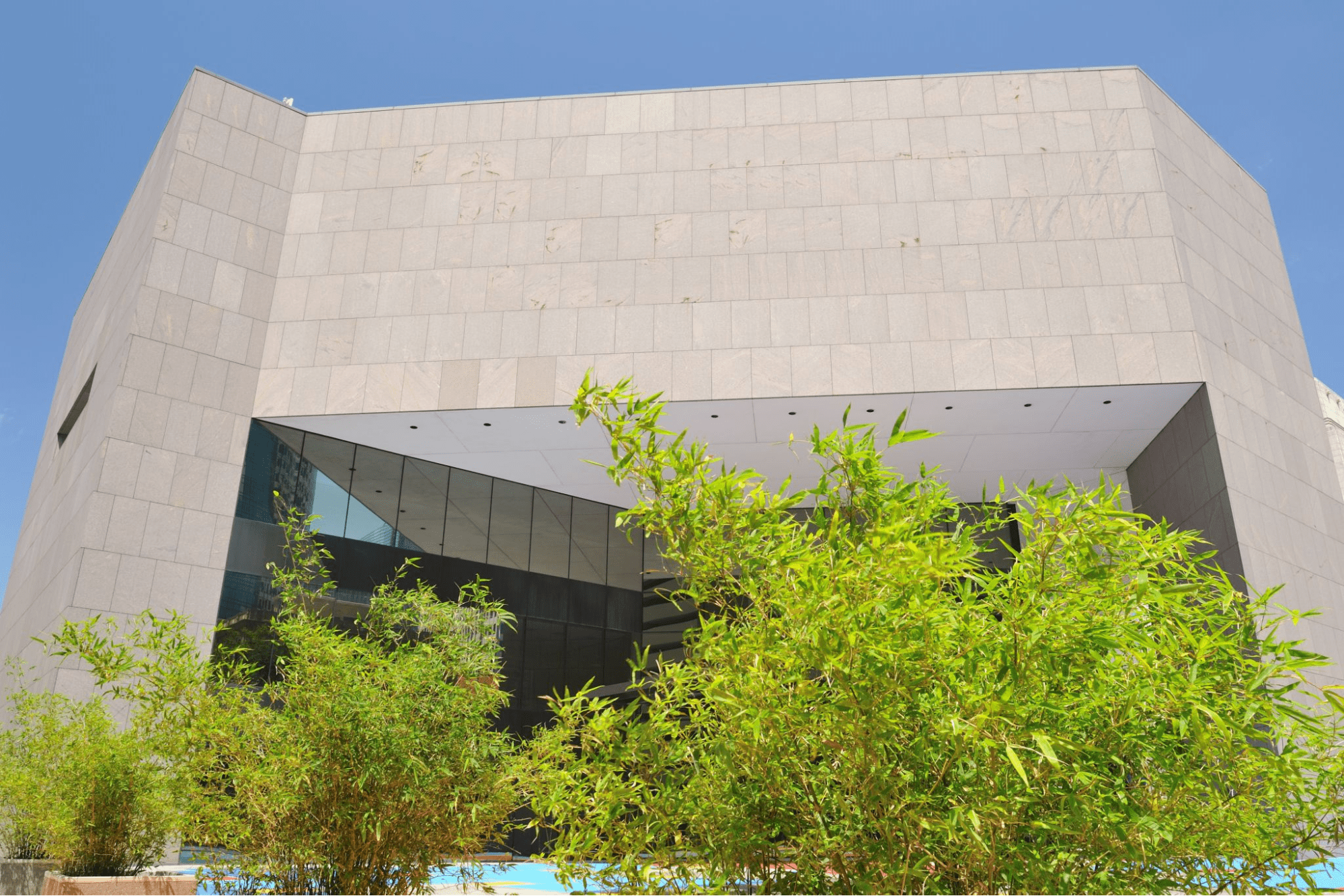

The world-famous word of Polish-Latin origin, library, is known to almost everyone on the planet. Behind these silent shelves of manuscripts and printed books are many secrets and works of certain prominent personalities. But this facility is not only a place to store publications but also a cultural and educational institution. At least some countries define libraries this way. But that’s another story. Read more on i-houston.
According to official sources, more than two dozen institutions of a similar nature but different in size, type and collection can be found on the modern map of Houston. Today we will talk about one of them, whose history stretches back more than a century, or even more, depending on where you start. So let’s go back to the nineteenth century.
Founding of the Houston Public Library

The network, or as it is called the system of Houston libraries, was officially founded in 1904. The first bricks were laid in the middle of the nineteenth century, in 1854. It was then that the second lyceum operated in the city, on the basis of which the library functioned. It was fully separated from the lyceum in the nineteenth century.
It is not known whether Houston would even have this library system today if one day a boy named William Marsh Rice had not been born. This man was a businessman and a generous person. In 1892, he allocated USD 200,000 to build a library in the city. This gentleman is also known to the citizens because in the middle of the city you can find the university named after this good man. Three years later, the first public library was opened in Houston. But it did not get its own building until 1904. It was the date of the system’s official opening.
Women were especially happy about this. Their education was highly valued in society. Interestingly, the staff in the early years of the library’s existence consisted of one person. It would be frankly interesting to know their work schedule.
Despite this number of employees, the number of volumes could be the envy of some modern libraries. Just imagine, in the 1900s there were over 10,000 of them. The building itself was on the corner of McKinney and Travis streets. It is actually the city center today.
By 1913, the number of staff had increased sevenfold to seven people.
It is noteworthy that by 1921 the library was named after Andrew Carnegie. Later it was renamed the Houston Public Library.
Apparently, the leaders had ambitious plans for the future. They eventually decided to sell all the property to move to larger premises. This generally happened soon.
Opening branches and offices
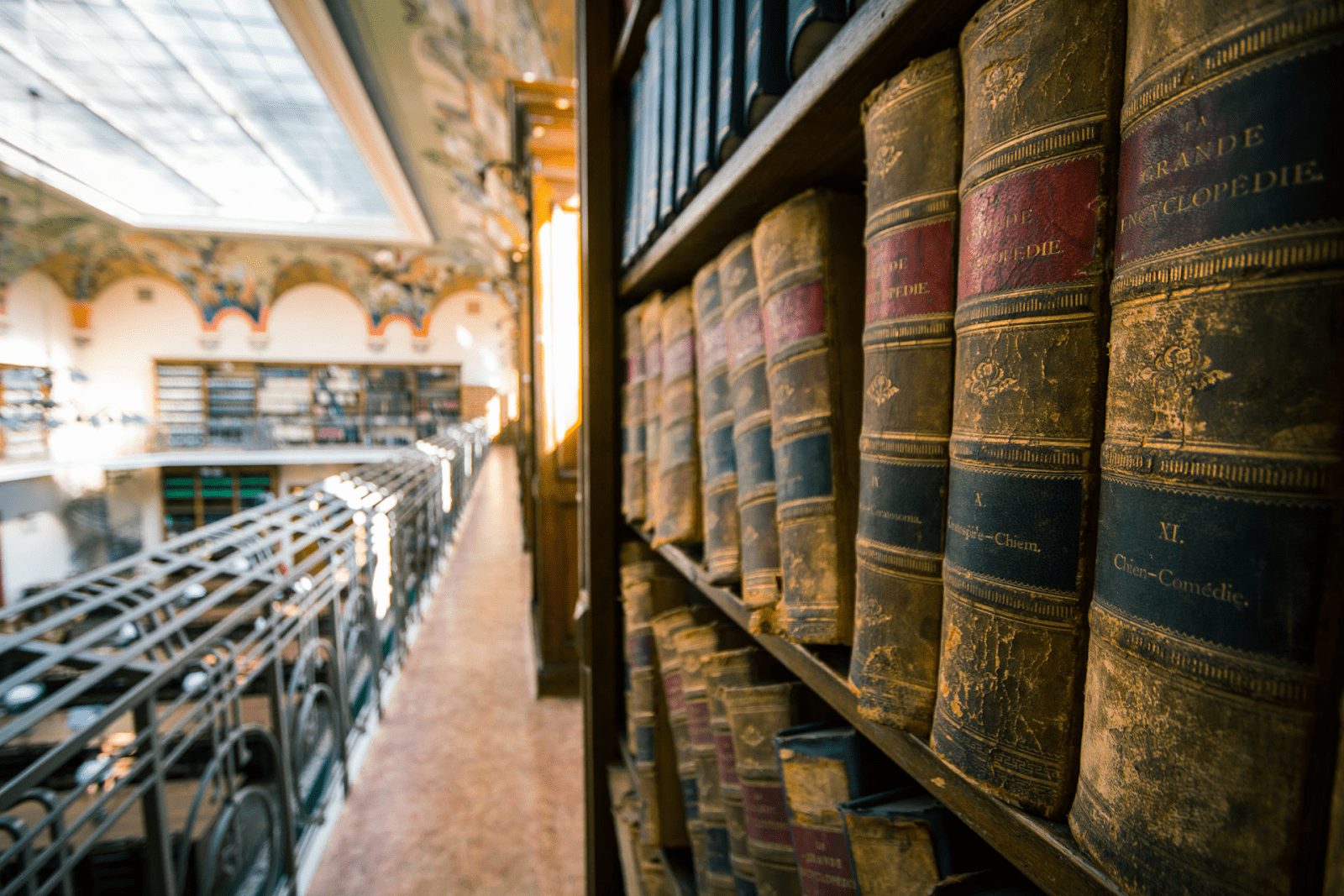
Years have passed and the current generation of Houstonians know that the Public Library system is scattered throughout the city. This is not a whim but a historical fact.
If you imagine the history of the system as a straight line, where there is point A and point B, then there is one point between them. In the 50s, there was a conflict on the basis of race. The first match was thrown into the fire of conflict in 1953. They began to divide the library branches by skin color. Thus, black residents were allowed to visit the Carnegie branch. Whites could use the main library. Then it got even worse. Over time, everything calmed down. But the aftertaste certainly remained.
Branches are now scattered in different parts of Houston. They differ only in appearance and collections of works, unlike in the last century. The library system includes:
- John P. McGovern-Stella Link Neighborhood Library
- J. Frank Jungman Neighborhood Library
- Adele Briscoe Looscan Neighborhood Library
- Heights Neighborhood Library
- Eleanor K. Freed-Montrose Neighborhood Library
- Clayton Library Center for Genealogical Research.
For more than a century, the history of the glorious library has been going on. It seems it will continue forever, so powerful is it. We have explored just a small part of it today.