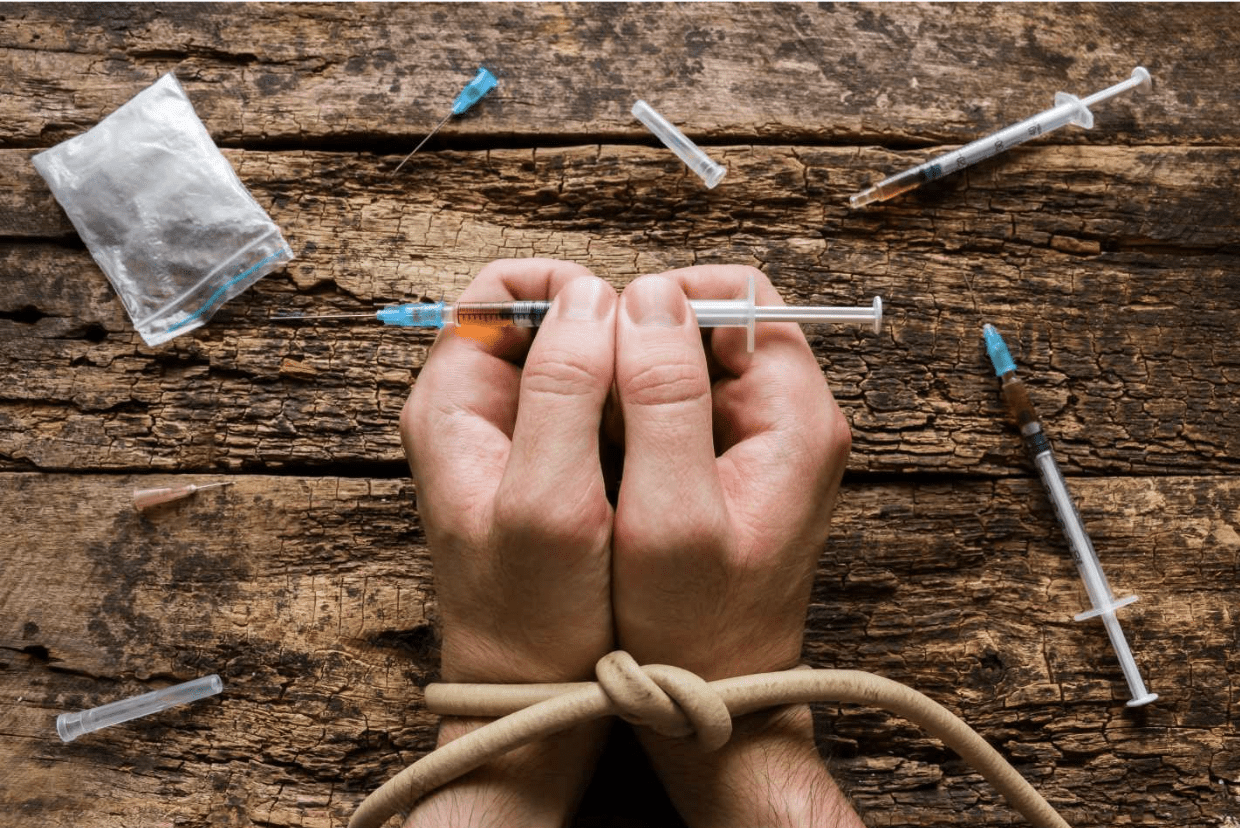

Drug addiction as a phenomenon emerged relatively recently, although narcotic substances have been used for pain relief or temporary intoxication by shamans since ancient times. The earliest mentions of opium, which translates as “joy,” appear in early Sumerian sources. However, the detrimental effects of narcotic substances on the human body and the addiction they cause became widespread in the mid-19th century. In modern human history, this problem has become one of the most pressing, as it claims the lives of tens, if not hundreds, of thousands of people annually, destroying families and causing significant problems for those around them. Houston, unfortunately, is no exception, and here the fight against this global scourge is a priority. Read more on i-houston.
The History of Drug Addiction
All peoples of the Earth have references to the use of narcotics. In the early days of humanity, when everything revolved around rituals to appease the gods, ceremonies, and religious rites, the use of psychotropics was an integral part. Later, such substances began to be used in medicine. For example, in China, hashish was one of the most common remedies for all ailments. This is not surprising, as the mild euphoric effect dulled pain and allowed patients to forget about their suffering for a while. Tribes in South America used coca leaves for similar purposes. As civilization developed, humanity began to study narcotic plants more deeply. Hippocrates was the first to scientifically substantiate the effects of opium on the human body, and Paracelsus used poppy juice to treat various ailments, including mental disorders.
It seemed that these discoveries would only advance the development of medicine, but things took a different turn. With the opening of new trade routes, tobacco, hashish, and cocaine spread worldwide. Their use became uncontrolled, and people’s addiction facilitated the rapid enrichment of enterprising yet indifferent traders who sought to create faster and more potent drugs. This led to the creation of morphine and heroin, and later, synthetic psychotropics, which became increasingly harmful and highly addictive. By the 19th century, “morphinists”—people addicted to morphine—began to emerge. The 20th century saw the peak of drug addiction.

Addiction and the Fight Against It in the U.S.
The United States was the first to sound the alarm. By the late 19th century, after the Civil War, doctors began to notice patients who had been taking opiates as painkillers. Observations of their condition led to the realization that these drugs caused addiction. The first attempts to treat drug addiction began, though they were limited to isolating patients and preventing them from taking psychotropics. This method yielded unsatisfactory results, and drug addiction grew rapidly. By the mid-1930s, this issue had become a national problem. In 1935, the world’s first hospital for treating drug addiction was opened in Lexington, USA—the Public Health Service Narcotic Hospital. This institution later became the model for similar rehabilitation centers. The mid-20th century saw a boom in the opening of clinics, centers, hospitals, and associations aimed at fighting this new plague. This indicated that the problem was not solved but was only deepening. Drug addiction had become a social issue, as addicts, in their search for a fix, became uncontrollable and morally degraded.
It was observed that treatment was more effective when the individual actively wanted to overcome the addiction. This gave rise to the idea of programs where addicts could anonymously discuss their issues. Narcotics Anonymous became one of the most successful practices in combating addiction.
How Houston Fights Drug Addiction

Houston takes the problem of drug addiction and the fight against it very seriously. According to statistical data from 2023, over 30,000 drug addicts were officially registered in the city. Of these, 20% underwent treatment and rehabilitation and did not relapse within a year. Every year, about 700 people die from drug use in Houston—this is the official statistic, though the actual numbers are likely much higher.
Various treatment options have been developed and implemented in the city, ranging from traditional inpatient and outpatient clinics to more progressive and innovative methods such as hypnosis or multidisciplinary approaches. Houston has centers that effectively help to treat and overcome this terrible illness.
The Memorial Hermann Prevention and Recovery Center (PaRC)

The center provides various services for the treatment and rehabilitation of drug addiction, including inpatient medical treatment, emergency detoxification, and various rehabilitation programs, support, and aftercare for patients. The center uses proven methods and individualized treatment programs.
Menninger Clinic
This facility specializes in treating mental disorders caused by psychotropic drug use. The clinic’s specialists have developed a variety of treatment and rehabilitation programs for drug-dependent patients. The team includes a diverse group of specialists with many years of experience in combating the disease, as well as rehabilitation counselors who were once addicts themselves.
Houston Recovery Center
This center specializes in emergency sobering and short-term treatment for urgent cases. A team of qualified professionals can come to the patient’s home anonymously to provide assistance. The center also offers consultations by phone or in online chats.
Support Groups
These groups have proven results, as most of the staff are former drug addicts. This operates on the principle of “peer support,” making it easier for individuals to open up and believe in the possibility of recovery. Many such groups exist throughout Houston, offering rehabilitation support and ongoing post-treatment care. These groups are often sponsored by the city’s religious communities.

SAMHSA Program
A significant role in the treatment and rehabilitation of drug addicts in the U.S., including Houston, is played by the SAMHSA (Substance Abuse and Mental Health Services Administration) program. This project actively supports local clinics and programs aimed at helping addicts, primarily by providing financial assistance. One of SAMHSA’s most successful initiatives is the creation of the National Helpline, which aims to help individuals take the first step toward recovery by recognizing their addiction and seeking treatment. This helpline is available 24/7 and is designed to offer guidance, connect individuals with appropriate resources, and support ongoing rehabilitation efforts.