
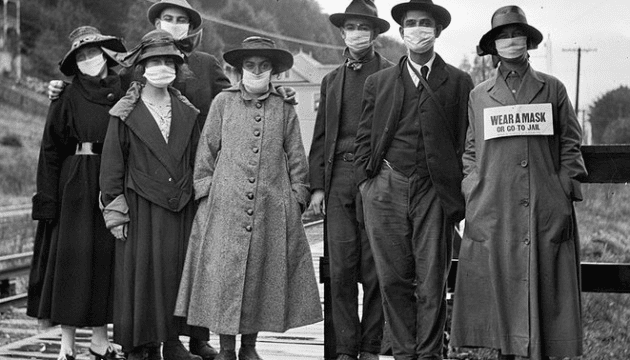
A pandemic, quarantine, mask regime and an unknown contagious disease have all been fully experienced by our generation thanks to Covid-19. Find out more at i-houston.
However, for all of humanity, this is not the first occurrence in which the sickness has claimed the lives of countless people. For example, in 1918, a third of the world’s population died as a result of the Spanish flu, and the world felt its terrible consequences. Each city took specific steps to protect its citizens from death. We offer you to find out what it was like in Houston, Texas.
What exactly is this disease known as the Spanish flu? How did Houston overcome the disease? Did the city officials take any extra precautions to keep citizens safe?
What is the Spanish flu?
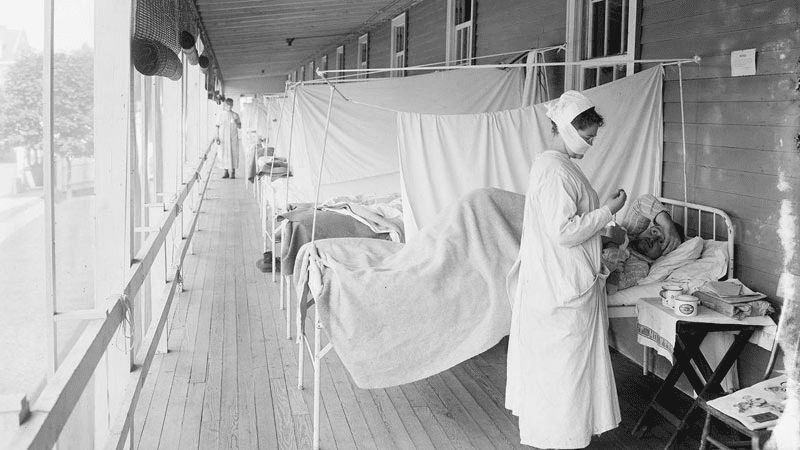
The Spanish flu is also known as the Spanish influenza, and it is regarded as one of the most horrible diseases in human history. As previously stated, a third of the world’s population died during the 1918-1920 influenza epidemic. Approximately 675 thousand people died in the United States.
The symptoms of the virus were remarkably similar to those of the common flu. The patient experienced a high temperature, nausea and diarrhea, as well as black rashes on the face in the form of spots. Patients were unable to breathe because their lungs were full of fluid (blood) caused by intrapulmonary bleeding, which is why they died from lack of oxygen.
The disease was named not because the virus was discovered in Spain, but because the country disclosed a pandemic to the rest of the world. After all, the First World War was taking place during these years, and enemy countries maintained military censorship without openly revealing the disease.
The disease in Houston
The disease’s first cases were discovered in the spring of 1918. The disease was then nonexistent in the entire state of Texas, including Houston.
The beginning of 1918 was highly beneficial for Houston because the city grew more and more each year, as did its population. The number of people living in the city grew rapidly: when compared to 1910, when there were 100 thousand residents in the city in 1910 and twice as many by 1918.
However, in the fall, the second wave of the disease began (it was this one that became deadly). On September 24, Houston’s most prominent newspaper at the time, the Houston Post, reported 600 instances of flu, 48 of which were fatal.
People have been in a state of terror since then. The disease was utterly unknown: there were no medications or vaccines, and only a rudimentary understanding of how to care for patients with infectious diseases. Some people died within a day after contracting the disease. People aged 20 to 40 years had the highest mortality rate.
Doctors and medical personnel were unsure how to treat patients suffering from an unknown sickness. Patients were frequently required to take double or triple doses of various medications, which were not inappropriate for treatment but merely made matters worse. By the way, this method simply increased the number of deaths.
The Houston authorities initially concealed information that the disease was spreading in the city. Quarantine was declared only on October 9.
A restriction was imposed on numerous events, visits to public areas, transport, stores, theatres and cinemas, beauty salons and dance halls. All educational institutions were quarantined as well.
Houstonians remained at home for 17 days. When the quarantine was removed on October 26, people began to make up for missed opportunities to visit shops and various events. Local residents immediately resumed their normal lives, returning to schools and universities, working, walking the city streets and relaxing at festivals.
It’s worth mentioning that Houston isn’t one of the cities hardest hit by the disease. However, cases of the Spanish flu have been identified in Texas cities such as Dallas, Austin and San Antonio. These cities were quarantined as well.