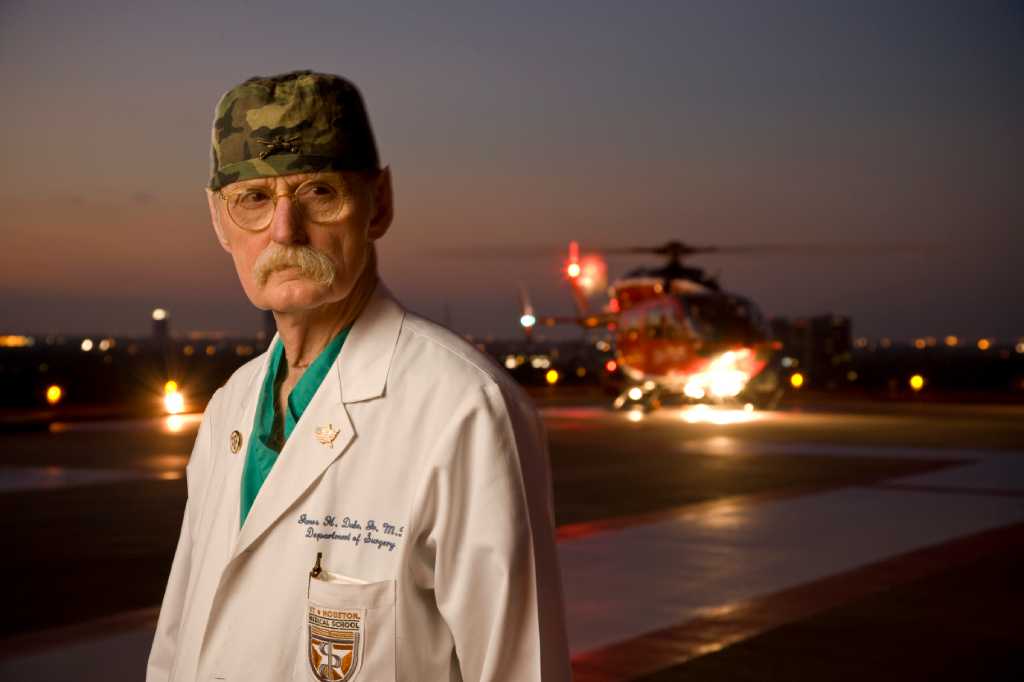

James Henry “Red” Duke, Jr. is a traumatologist, teacher, TV host and conservationist from Houston. Being a frequent guest on the Today and NBC Nightly News programs and covering medical topics on television, he gained national fame. Red was a true pioneer in medicine for the whole Texas community. Everyone knew him as a visionary in trauma therapy, a committed physician, a great teacher and an unparalleled figure. By the end of the 1980s, James’s reputation was so sizable that he was considered a candidate to succeed the U.S. Surgeon General Charles Everett Koop. Read more about the life and professional journey of an outstanding doctor at i-houston.
Bachelor of Science and theologist
James was born on November 16, 1928, in Ennis, Texas. The boy grew up in Hillsboro city (Texas), where he was nicknamed “Red” because of his curly red hair. As a child, James delivered newspapers, picked cotton and trenched. He was educated at Hillsboro High School and then got a BS degree from Texas A&M University in 1950. After graduation, Duke served two years as a tank commander of the U.S. Army in Germany during the Korean War (1950–1953).
After soldiering, Duke studied theology at Southwestern Baptist Theological Seminary in Fort Worth, Texas. He married coursemate Betty Cowden while there. The couple had four children, but they subsequently divorced.
Medical career
Inspired by Albert Schweitzer, a German philosopher, theologian, physician and Nobel Peace Prize laureate, James decided to delve into medicine. In 1960, the man obtained the Doctor of Medicine from the University of Texas Southwestern Medical School in Dallas.
Duke completed his internal medicine internship and a residency in general surgery at Parkland Memorial Hospital in Dallas. He was the first emergency surgeon to receive President John F. Kennedy after he was shot in 1963. All attempts to save Kennedy proved futile. Already at 1 pm, the death of the president was officially announced.
In addition, Texas Governor John Connally, who was also treated by James, was seriously injured. The doctor is particularly credited with saving Connally’s life, as he revealed a severe gunshot wound requiring immediate attention. He quickly closed the wound and inserted a chest tube, after which the governor was rushed to the operating room.
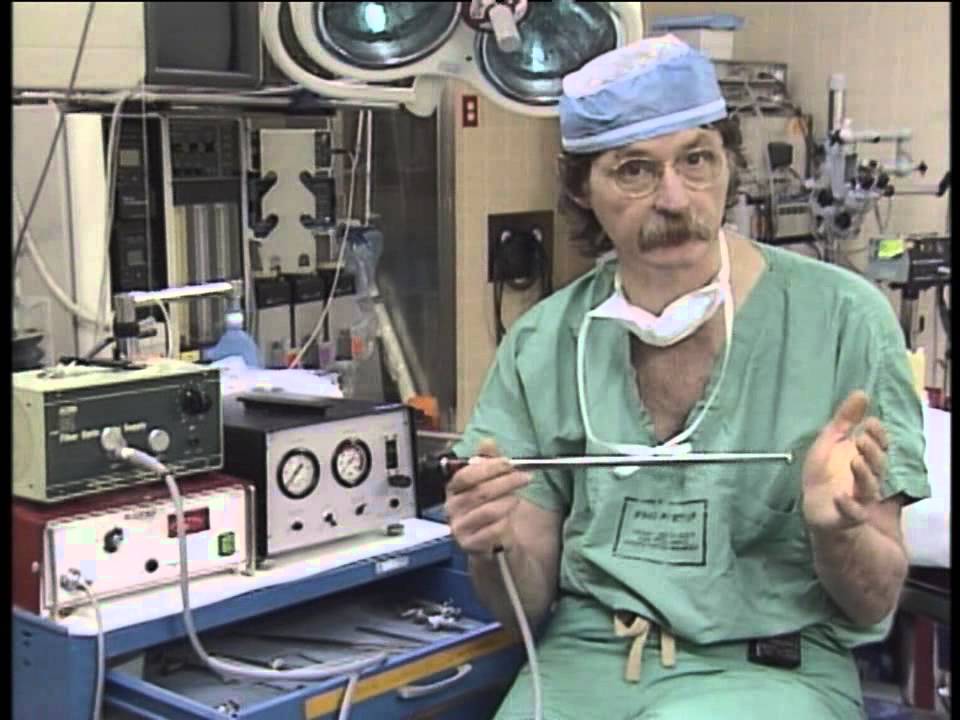
The physician then pursued a graduate programme in chemical engineering, biochemistry and computer science at Columbia University in New York. For a period, he lectured at the faculty of Southwestern University and the College of Physicians and Surgeons in New York. In 1970, Duke was invited to become a professor at the Nangarhar University School of Medicine in Afghanistan.
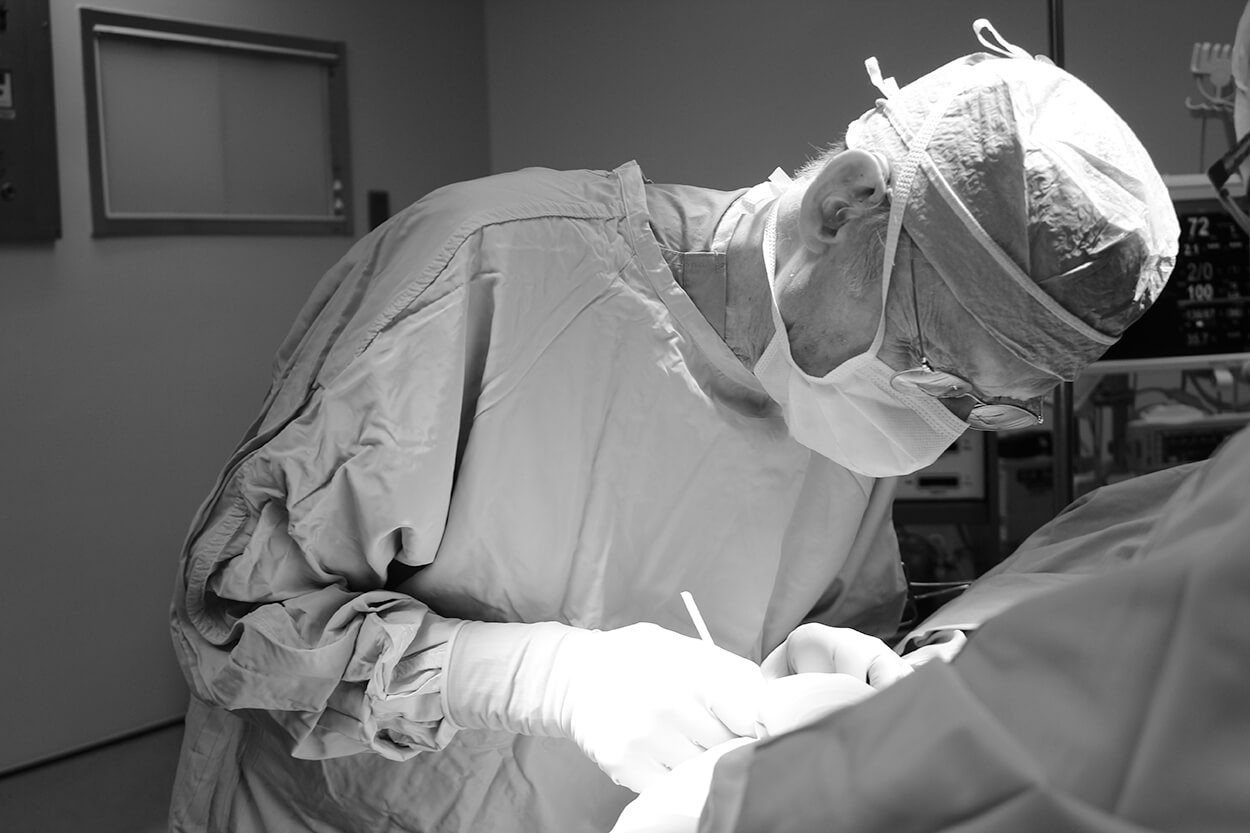
After teaching surgery in Afghanistan in 1972, Duke was one of the first to give classes at the University of Texas Medical School. He had been practicing as a trauma surgeon at Memorial Hermann Health System in Houston for 40 years. In 1976, he founded Life Flight, a hospital-based aviation medical transport service, in Houston. This medical treatment system has become common not only in Houston but also in many other cities in the United States.
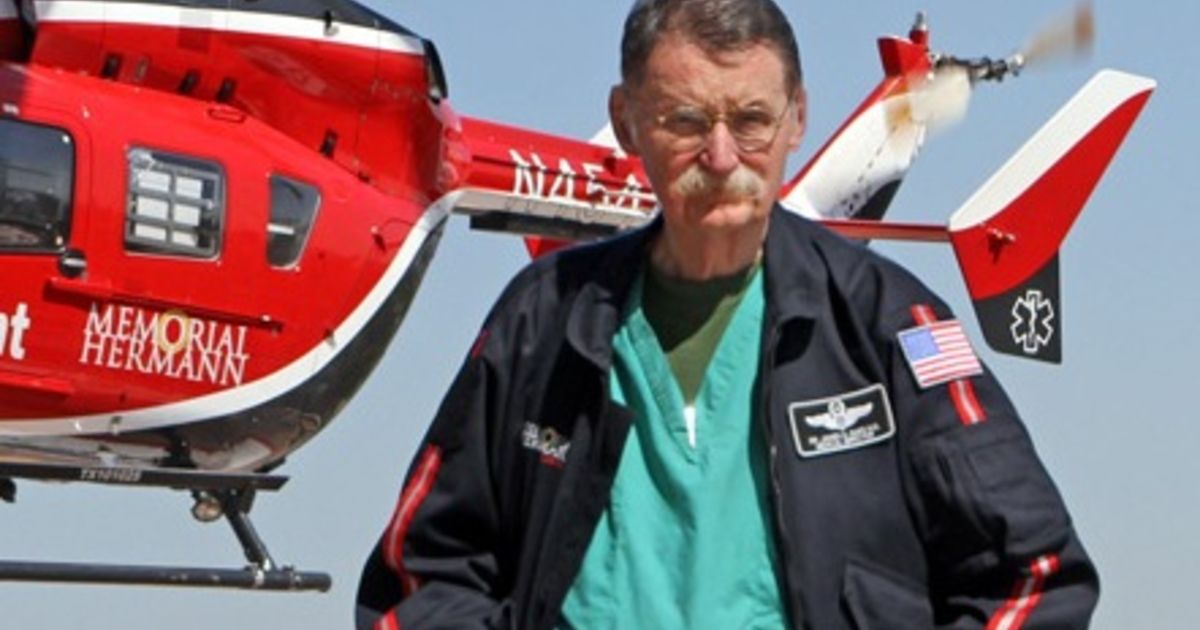
In addition, Duke was one of the founders of the American Trauma Society and played an important role in the development of EMS (emergency medical services) in Texas. He helped design a statewide trauma system and was one of the key figures to promote the Texas legislature to pass a seat belt law in 1985.
James has devoted much of his time to supporting the U.S. Armed Forces, both through advanced medical technology during combat activity and his Hiring Red, White & You!, an initiative that encourages the hiring of veterans in their homeland.
Bright TV host with folksy humor
James was first noticed by the public when the Life Flight service was featured in a 1979 prime-time documentary. Due to his authenticity, the University of Texas Medical School, where he worked as a professor of surgery, chose him for their reports on the health of Texas residents. These reports were short segments encompassing a wide range of subjects, from proper nutrition to skin cancer prevention, aired on newscasts in 30 states.
For 15 years, the doctor appeared on national television in the program Dr. Red Duke’s Health Reports. He also hosted the Bodywatch series on PBS in 1986. The main idea of the series was the development of mental and physical health.
Known for his cowboy style, Duke became the inspiration for the American medical drama series Buck James, starring Dennis Weaver, who played a country doctor working at University Hospital in Houston. Mr. Weaver followed Dr. Duke closely for two weeks to prepare for the part. James appeared in only one episode in which he portrayed an oil-rig specialist.
Appearing on TV, with his stubby mustache, wire-rimmed glasses and Texas accent, Dr. Duke explained complex medical topics in a lively home-like style. Thus, these programs were interesting to watch and easy to grasp. Dressed in jeans and a helmet in one of such episodes, he hit the concrete surface with a hammer to demonstrate how doctors deal with renal gravel.
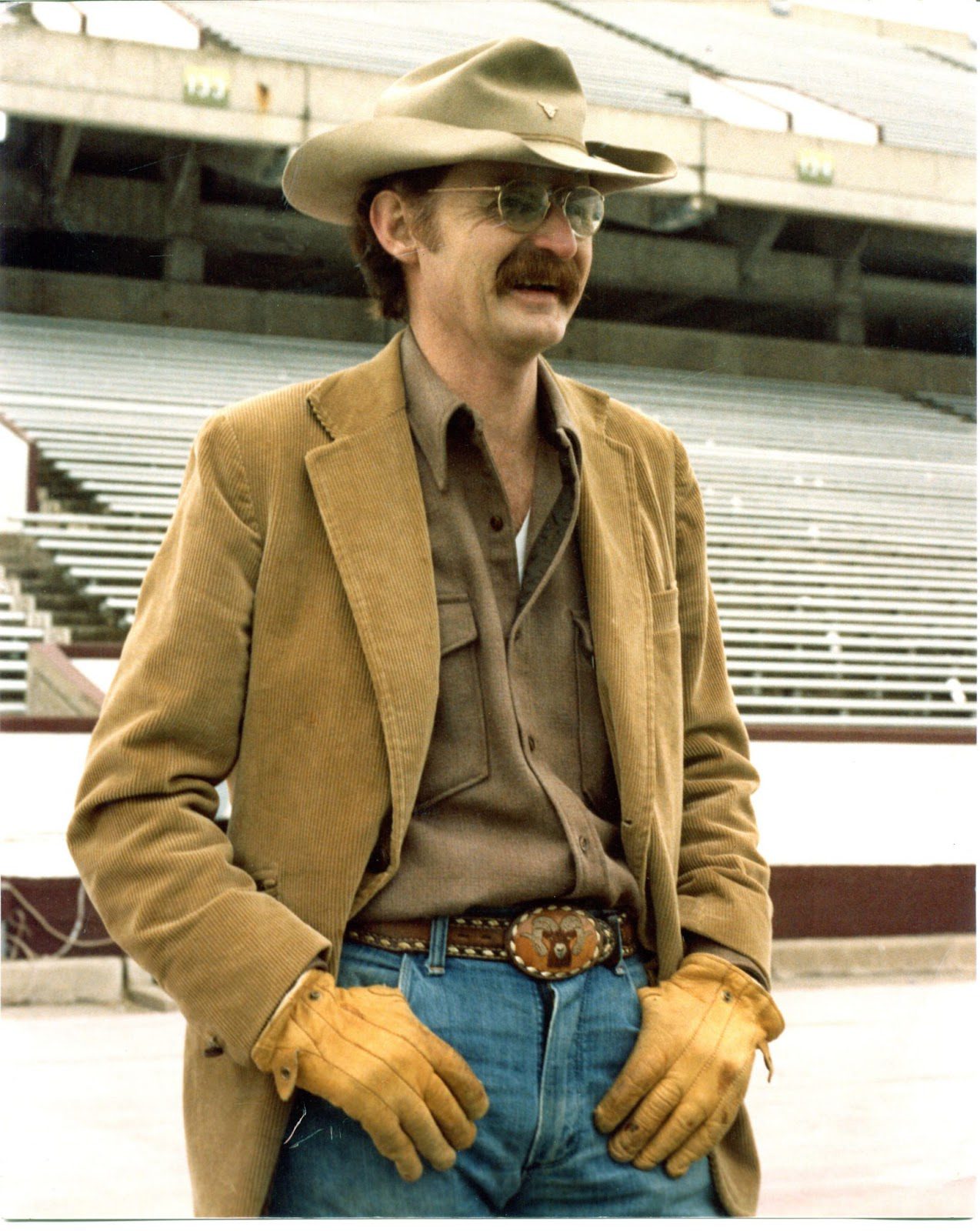
Duke’s colorful country style constantly attracted the public’s attention, especially his signature bushy mustache and habit of chewing tobacco. He wore faded jeans, ties and cowboy hats and spoke the common people’s language. Because of his folk humor, Duke embodied the positive character of an old-fashioned country doctor and extremely talented modern surgeon.
Conservationist
Throughout his life, James was involved in nature conservation. He was the president of the Wild Sheep Foundation, which activities aimed to restore the population of wild sheep in North America. He was also the chairman of the Boone and Crockett Club, an American non-profit organization that promotes fair hunting and habitat preservation. Texas Bighorn Society was founded by James as well. This organization deals with the reintroduction of desert bighorns in their native range in Texas.
Death and recognition
James Henry “Red” Duke, Jr. died of natural causes at Memorial Hermann Hospital on August 25, 2015, at 86. He was buried at the Texas State Cemetery in Austin.
In 1988, Duke was named Surgeon of the Year by the James F. Mitchell Foundation. He was also inducted into the Texas Cowboys Hall of Fame in 2010. In May 2016, Memorial Hermann Health System renamed its Trauma Institute in Texas to the Red Duke Trauma Institute. A scholarship for students from the University of Texas Medical School was established in his honor in 2014. The same year, Dr. James “Red” Duke Elementary was opened in Alvin district, Texas.
The surgeon received numerous awards in his lifetime, including the Texas Governor’s EMS and Trauma Advisory Council’s Journey of Excellence Award and knighthood in the Order of Saint George of the U.S. Cavalry and Armor Association.