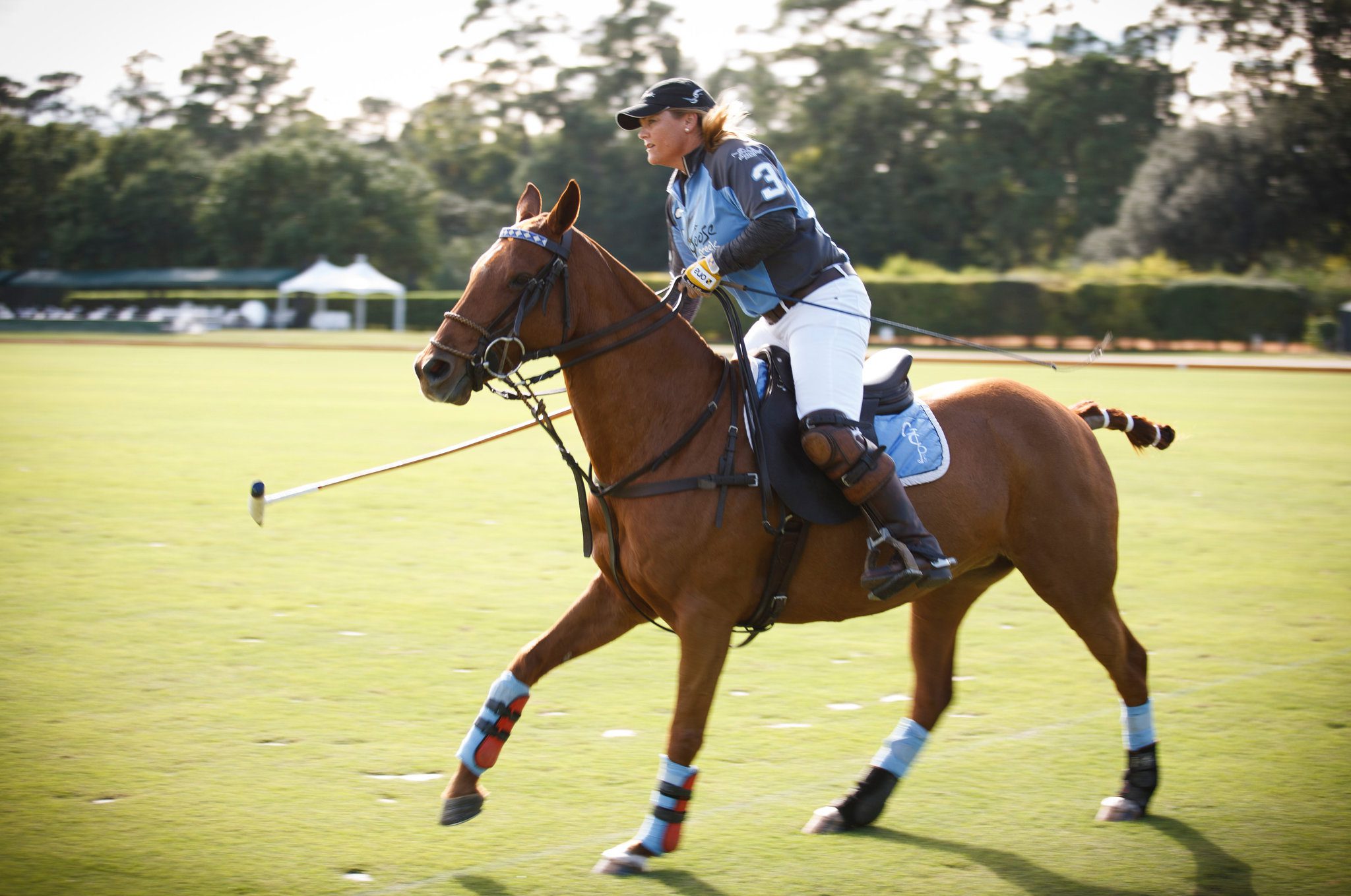

Houston Polo Club (HPC) is the largest such club in the world by number of players as of 2023. It is located on 10 acres of landscape and forested areas in the heart of Houston. The club provides a full range of services for equestrian sports and all kinds of riders. It has two polo fields, a field for stick-and-ball game and a hitting cage, as well as an indoor training arena and scenic riding trails.
Although the club is private, it is open not only to its members and their families but also to anyone who wants to feel the thrill of the royal sport. Every Sunday during the spring and fall seasons, tickets are available to watch a world-class open-air match. Read more about the rich history of the club at i-houston.
Fast facts about polo
Polo is a sport played on horseback between two teams, each consisting of four players. They use mallets with long, flexible handles to hit a wooden ball across a grass field between two goalposts. This is the oldest kind of equestrian sport.
For the first time, this game of Central Asian origin began to be played in Persia (Iran) between the 6th century BC to the 1st century AD. Polo was originally a training game for cavalry units of the Royal Guard or other elite troops.
Later, polo became the national sport in Persia. The elite was fond of this fame. Both men and women could play it. From Persia, it spread to Arabia and then to Tibet, China and Japan. Interestingly, in China, in case of the death of a beloved relative during a game, Emperor A-Pao-Chi had to behead all surviving players.
In the 13th century, Muslim conquerors introduced polo in India. The first Europeans to master the royal game were British tea planters in the Indian state of Assam.
Who founded HPC and when it happened
At the time of the founding of the Houston Polo Club in 1928, it was named the Houston Polo and Riding Club (HPRC) and was located on a small farm in the city center. There were many prosperous Houston businessmen and socialites among the original members, such as the Farish family. William Farish II was a pioneer in the development of oil fields in East Texas.
In the area, Polo became popular in the late 1920s and 30s, therefore, the Farish family opened their own riding venue on their ranch. In 1938, the Farishes relocated their polo company to the club’s current location in downtown Houston.
The Great Depression of 1929–1939 affected the activity of the club, forcing the owners to sell its part. The Farishes allowed HPRC members to play on their fields, thus supporting this sport in the Houston area. Even though the club was experiencing financial challenges, the players continued to excel at the national level. Cecil Smith gained particular glory.
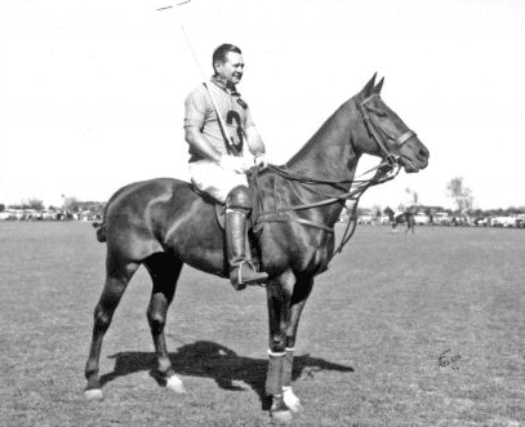
Although the club had a lot of love and support, it was difficult to stay in business. The club was closed for a few years, but in the 1960s, it was revived with the support of the local community Houston Polo Club.
Two game seasons
HPC welcomes players from every corner of the world. Having spring and autumn seasons, the club organized the game schedule so that professionals could have more work.
Six levels of leagues are hosted in both seasons, ranging from the first to 12-goal. In addition to league play, US Polo Association national contests are held each season.
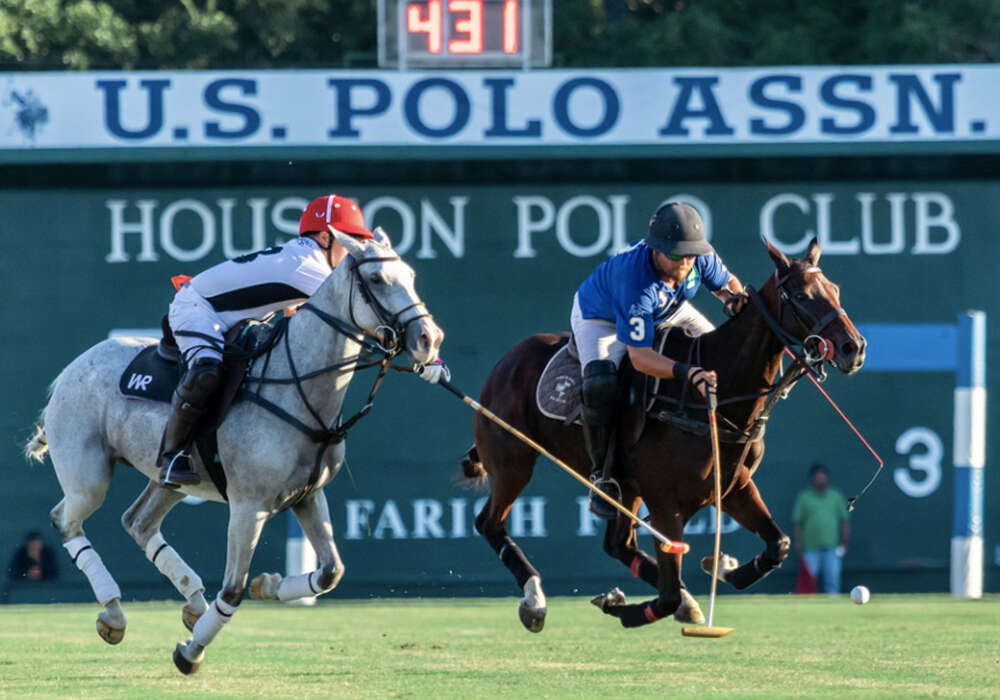
Apart from fields, stables, workshops, stick-and-ball grounds, hitting cages, and an indoor arena, HPC owns three playing fields in Brookshire, Texas and 18 more in private ranches.
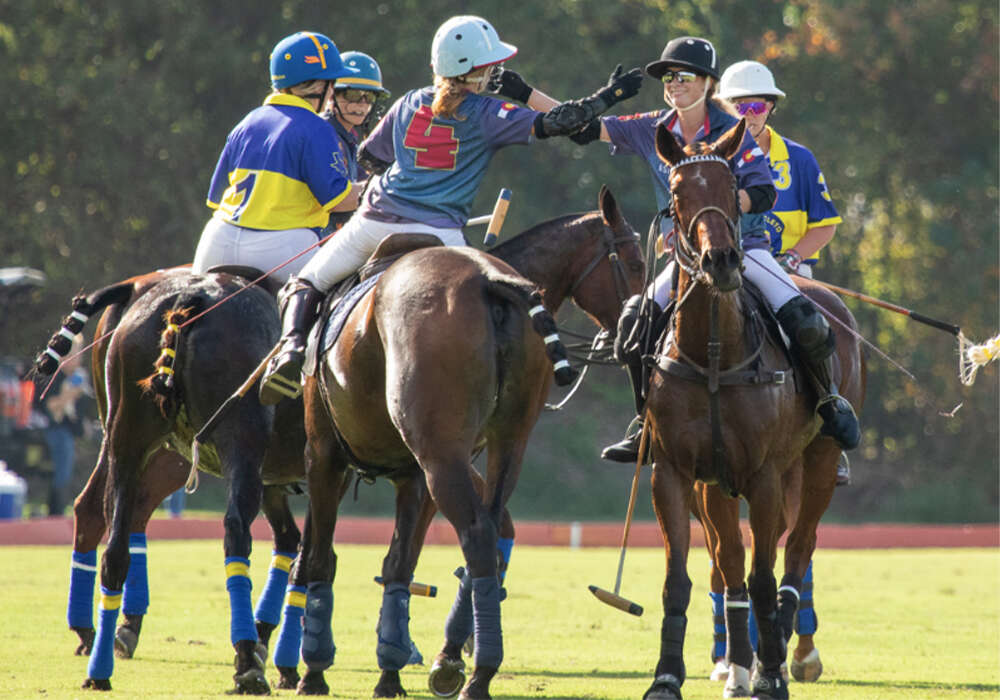
At the end of the fall season, HPC dedicates a full week to women’s polo, known as Women’s Week. During this period, women from across the world compete in the US Women’s Open Polo Championship, the U.S. Open Women’s Handicap, and two lower-level tournaments, the Farish Cup and the Bayou City Cup. From 60 to 80 athletes participate in women’s tournaments.
Sunday entertainment
Houston Polo Club attracts both sponsors and spectators due to the wide range of offered games. Since 2016, the club has been cooperating with such companies as Land Rover, Engel & Völkers, Jaguar, Veuve Clicquot, Lockton and St. Regis. Through this partnership, Houston can promote the sport and draw a large audience to the games.
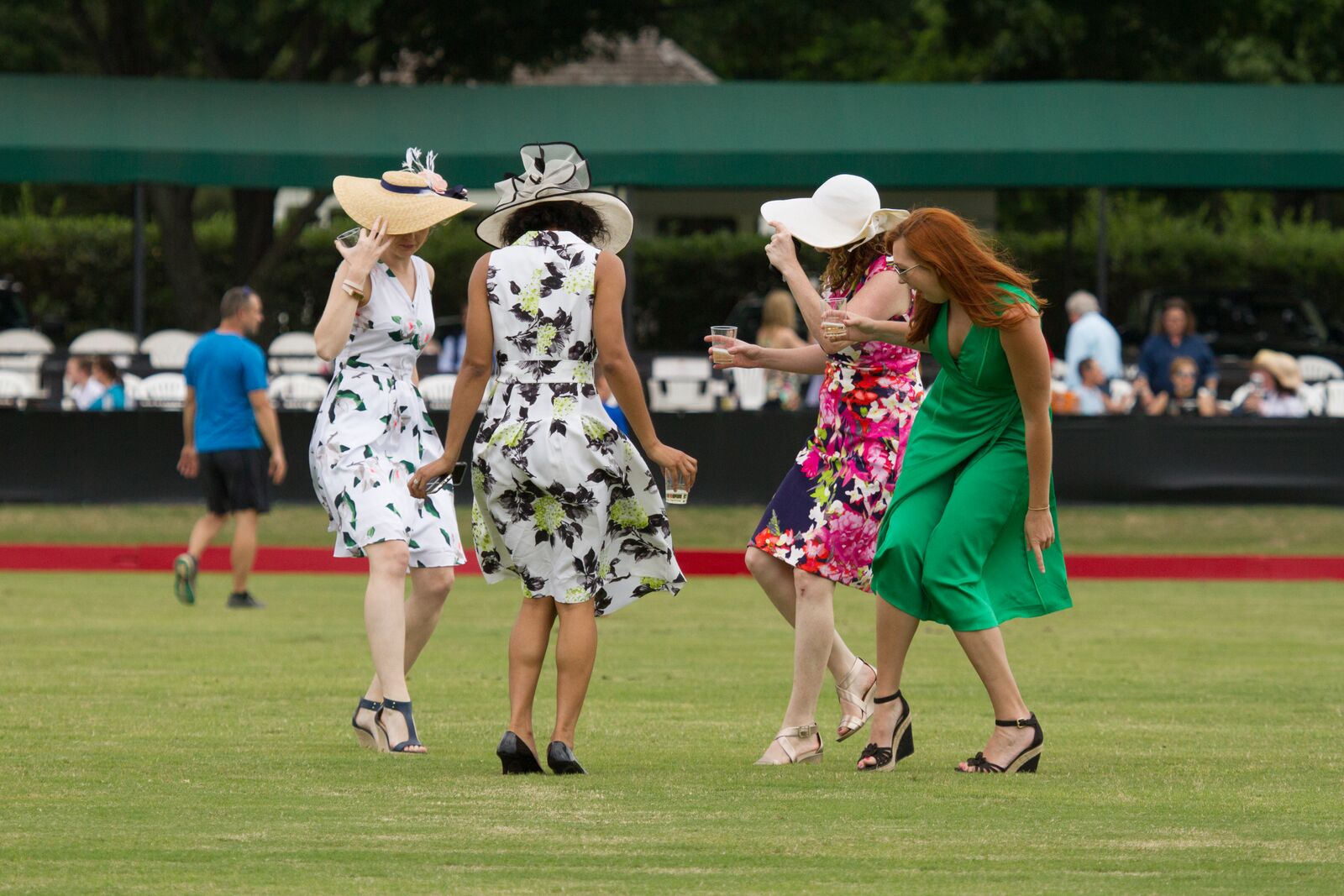
The club holds games for spectators every Sunday in the spring and fall seasons at the legendary Farish Field. Sunday polo at the club is a great way to have fun. Visitors can enjoy a world-class polo match in a unique open-air environment. Viewers can get cozy in private tents, tables under umbrellas and seating boxes.
Training arena
Since its inception, the club has been a reliable platform for the development of American polo. Each year HPC strives to find new ways to serve the whole equestrian community. The Polo School and Step Up programs promote the progress of new players, ranging from the youngest enthusiasts to skilled athletes.
The Houston Polo School offers an 8-week training course in spring and fall period aimed at nurturing players. The school teaches students game strategy, correct swing instructions, hitting cage practice, class discussions, etc. After graduation, finalists join the Margarita League and meet twice a week during the season. Participants have the chance to join the game with an instructor who provides guidance and assistance to their group.
In the Step Up program, participants, to enhance their level, play in a 2-Goal League with professionals on each team. The 2-Goal League competes throughout the spring and autumn seasons in tournaments held every two months.
The next intermediate level is the Club League, where players can hire their own professional polo coach. This will help them be better prepared for a faster and more competitive game. Students participate in four games and tournaments twice a week. In teams, players are switched for each contest. It allows one to feel the dynamics while working with various teams and learn about the procedure of moving to different fields, as well as the process of buying horses and recruiting professionals.
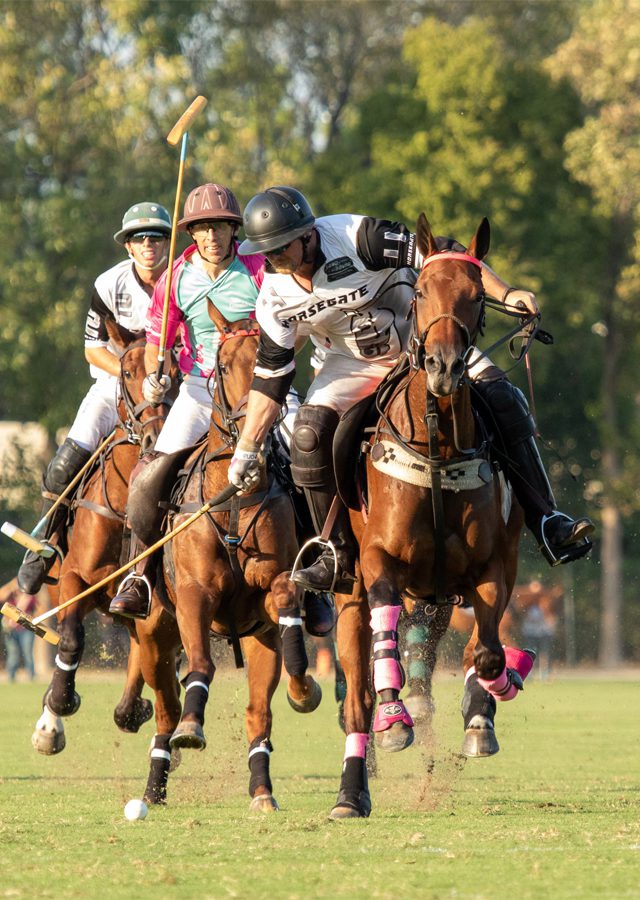
After playing in the Club League, players can participate in 4, 8 and 12-goal polo. After they finish the League, they have the opportunity to compete in the sanctioned, national or club tournaments.
There is also a program for youth aimed at training young athletes. Through this initiative, they can take part in tournaments and compete on inter-school teams. There are A and B-level teams in the club as well as interscholastic teams for girls and boys.
In general, HPC is a great venue for beginners, novices and young players. After all, the conditions necessary to master this aristocratic sport are created based on one’s progress and skills.
By offering a variety of programs, the Houston Polo Club demonstrates its commitment to the preservation and support of the polo sport. With multiple levels of play available through membership, leagues and tournaments, it’s no wonder that this polo club is considered one of the best in the country. Dedicated to promoting the sport, training new and experienced players, and becoming a cultural attraction for the community, the club keeps growing year by year.