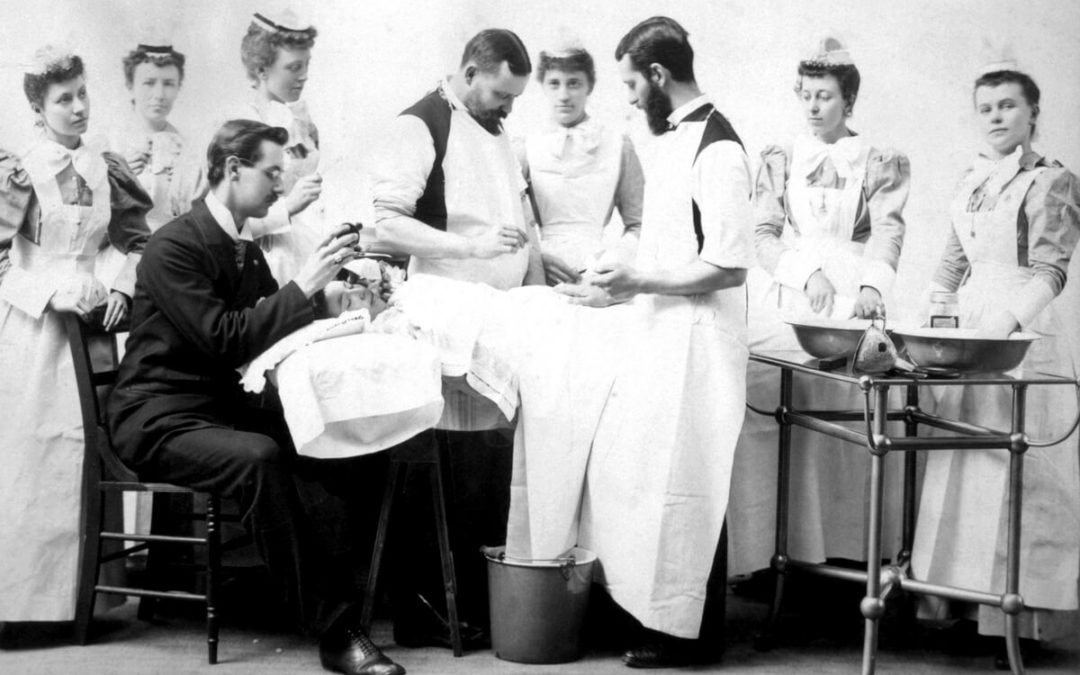

In 1961, plastic surgeons from Houston, Thomas Cronin and Frank Garrow, developed the world’s first silicone breast implant together with the Dow Corning company. A year later, they performed the breast augmentation at the Jefferson Davis Hospital in Houston (which is now closed). The invention made Houston an international center for surgical reconstruction and mammoplasty. Read more about it on i-houston.
Background
In 1895, German doctor Vincenz Czerny made the first such procedure on a 41-year-old singer who had a tumor in her breast. He noticed that she also had a large lipoma in her lower back. This was a benign growth of fat cells.
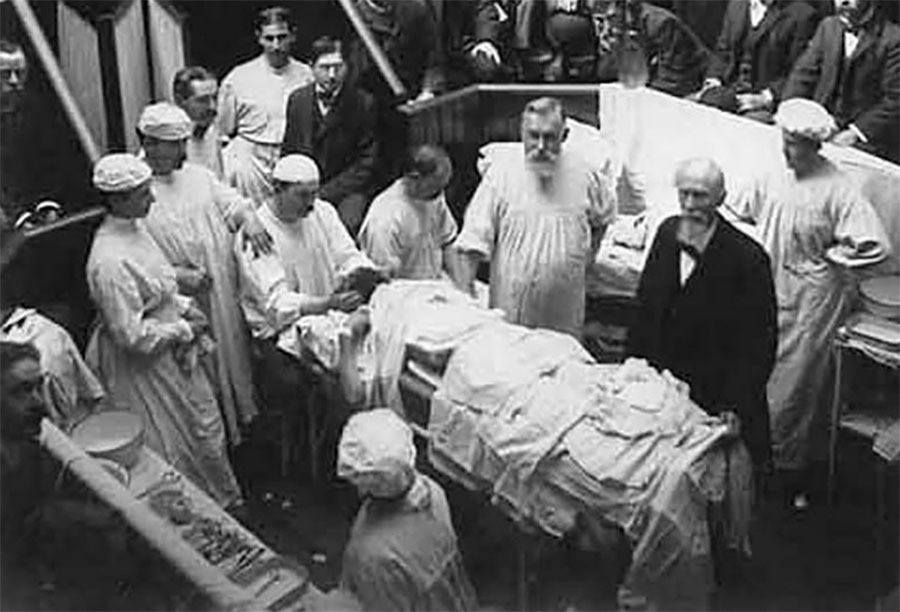
Czerny suggested removing the mass in the breast and replacing the lost tissue with fat cells from the back. He successfully performed the surgery. The patient stayed in the hospital for 23 days (a standard period for that time). After that, Czerny was called ‘the father of cosmetic breast surgery’. He developed operative methods of cancer treatment. He is also remembered for his cure of patients with inoperable cancer.
In general, attempts to alter the breast surgically have been made for decades. Among the failures were paraffin injections in the 1890s, ivory injections around 1910, fat grafting in the 1920s and silicone oil injections in the 1940s and 1950s. These attempts resulted in chronic inflammation, hardened lumps that migrated, infections and organ damage. Everything changed when Frank Garrow came up with the idea of using silicone.
Garrow’s idea
Frank Garrow was a plastic surgeon who trained under Thomas Cronin as a resident at Baylor College of Medicine. He suggested the idea of implants to Cronin while carrying a bag of blood to a patient with burns. This bag seemed to him to be the right texture for simulating breasts.
Cronin was a plastic surgeon who planned to study architecture. However, his father, a general practitioner, convinced his son to become a doctor. Cronin taught residents at Baylor College of Medicine and became famous for his methods of hand surgery, cleft lip and cleft palate. Cronin first heard about silicone gel at a medical conference in New Orleans in 1961. A young doctor from Michigan told him that the Dow Corning company in his town had developed an inorganic polymer gel that was stable, flexible, viscous and safe for use in the human body.

Cronin took Garrow’s idea to Silas Braley, who ran Dow Corning’s medical research group. Soon, samples of small, medium and large implants began to be produced.
Before performing an operation on a human, doctors conducted tests on a dog Esmeralda. The implant stayed in the dog’s body for 3 weeks. Then, she started to bite the stitches and the prosthesis was removed.
The first real patient
American housewife Timmie Jean Lindsey was the first one to agree to increase her breasts with the help of new implants. The surgery was performed in 1962.

At that time, 29-year-old Timmie was a divorced mother of six children. A woman went to plastic surgeon Frank Garrow at Jefferson Davis Hospital to have a large tattoo removed from her breasts. At the time, Garrow was a member of a group working on the concept of implants. He was looking for volunteers who would agree to such a procedure. Timmie said she was also interested in ear surgery and the doctors accepted her offer.
The procedure was conducted by Garrow and Thomas Cronin. The operation was successful. The woman kept silent about this procedure for many years and only told friends and family about it decades later. Even 50 years after her surgery, Lindsey still wore her original implants, although she suffered some pain and other problems. At the same time, she never joined the groups of women who filed lawsuits over health problems related to the implants.

The most researched product
In 1964, Dow Corning began selling the Cronin-Garrow implant to anyone with a few thousand dollars to spare for such a surgery. For a decade, they have also been used for reconstructive surgery after a mastectomy. This is a breast removal operation in which the fatty tissue containing the lymph nodes or the pectoralis major and pectoralis minor muscles is removed.
In 1992, the number of lawsuits from patients who claimed to have contracted connective tissue disease due to ruptured implants increased. Then, the FDA banned these implants and suggested the need for more investigations.
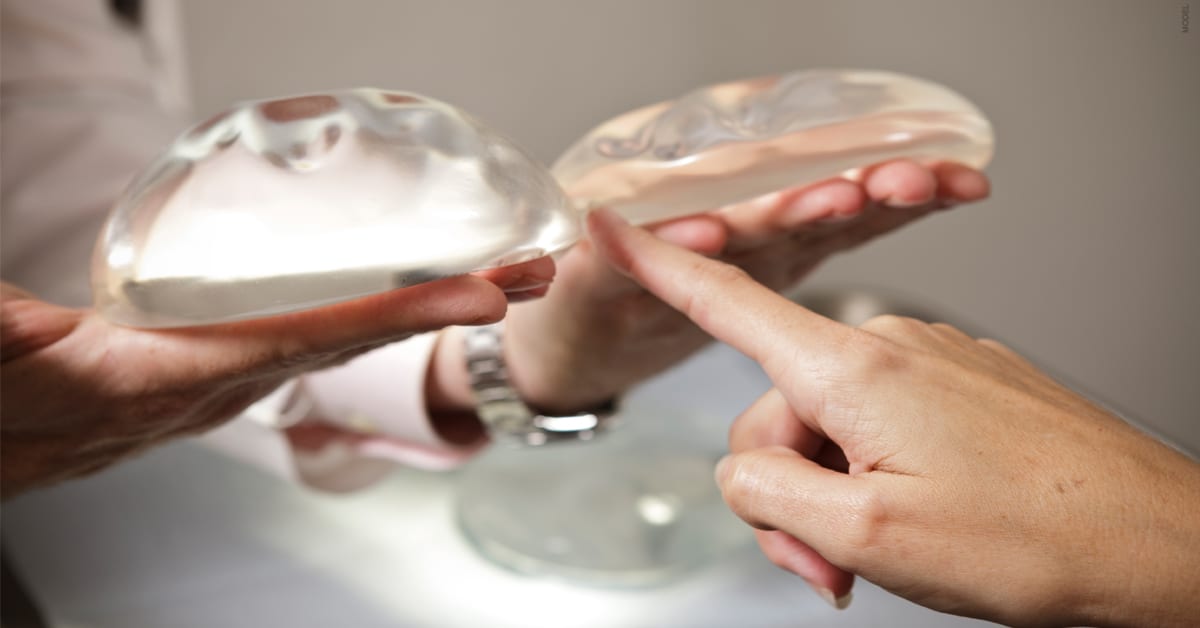
In 2006, the FDA lifted the ban after a number of key studies failed to find a link to autoimmune disease. Some doctors, however, disagreed with the findings and still warned patients about possible problems.
The American Society of Plastic Surgeons claims that these implants are the most researched medical product in the world. It is worth noticing that this procedure was the most popular surgery in the United States in 2018. In particular, mammoplasty was popular in sunny cities like Los Angeles or Miami.
A silicone outer shell varies in thickness and texture and is filled with special gel. The FDA allows augmentation only for women of 22 years and older. Any woman can use them for reconstruction procedures. Surgical intervention involves placing the implant under the tissue or pectoral muscle.
Interesting facts
- Silicone is safe. The media often misrepresents stories about implants rupturing, causing some patients to select saline options instead of silicone to avoid this risk. Although ruptures occur, they are extremely rare and can be repaired with appropriate surgery.
- Bruising after surgery is rare. Any surgery requires a recovery period. Thus, one should always follow a doctor’s instructions regarding health, rest and nutrition. Bruising or similar spots are rarely seen after this procedure.
- Although most people tend to think of implants as round or spherical, there are numerous shapes and sizes. Drop-shaped implants, which are thicker at the bottom and tapered at the top, precisely follow the contours of a woman’s breasts and provide an extremely natural result.
- The average age of a woman undergoing augmentation is 34 years. Despite the fact that implants do not interfere with breastfeeding, almost 90% of women consider surgery after having children. Moreover, after giving birth, many women seek to restore their pre-pregnancy body shape.
- Most implants last up to 25 years or more without any problems. FDA reports show that only about 20% of women need a repair or replacement of their implants within 10 years of the procedure.