

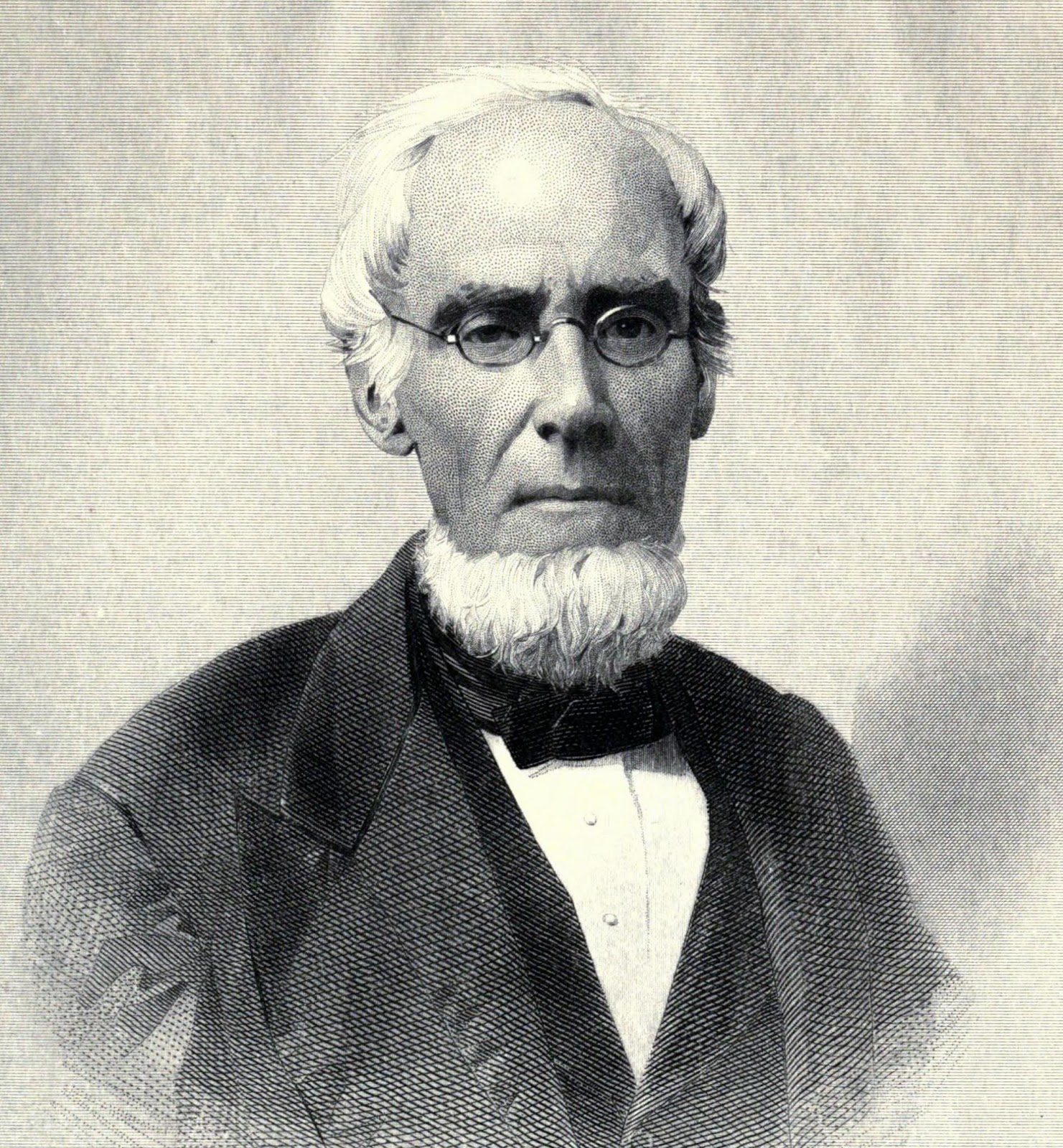
Gail Borden was a surveyor and teacher. Later, he became a publisher, politician and innovative entrepreneur. He lived in various states but he achieved success in Texas. Here, he invented a method of milk processing that forever changed the food industry. Read more about his life path and invention on i-houston.
Early years
Gail Borden was born in 1801 in the city of Norwich. Later, together with his parents and brothers, he went to the state of Kentucky, where his dad was a land surveyor. In 1816, he went to Indiana to receive an education.
In 1822, brothers Gail and Thomas left their home and went to Mississippi. He lived there for 7 years and was a land surveyor at first. Then, he worked as a school teacher. Their 48-year-old mother died from yellow fever.
In 1829, Gail with his two brothers and father went to Texas, where they raised cattle. Later, he assumed the position of chief surveyor of Stephen F. Austin. Borden put on the map of the United States such cities as Houston and Galveston. He also took part in the creation of the map of the state.
Politician and publisher
Gail was a delegate to the 1833 Convention. He participated in the creation of the Constitution. In February 1835, brothers Gail and John decided to launch one of the first local newspapers together with Joseph Baker, even though they knew nothing about publishing. Baker knew a lot about the Texas-Mexico situation.
In October, the Texas Revolution started. In a few days, they launched Telegraph and Texas Planter. The project was later renamed the Telegraph and Texas Register. It printed not only news and documents but also poetry and advertising. It was a valuable source of information during the war.
In 1837, Borden went to Houston to launch a newspaper. It encountered financial difficulties because the owners did not pay their bills on time. Eventually, Gail sold his shares.
In 1837, Gail was made the Collector of Customs at Galveston. This was a decision of President Sam Houston. Gail did his job well but was dismissed in December 1839 by the new president. The latter chose his friend for this position. The newly appointed person became the object of criticism due to numerous official crimes. After the reelection of Houston, he invited Gail to become a customs official again. Gail held office from 1841 to 1843.
First experiments
After the death of Borden’s wife from yellow fever in 1844, he started to search for a cure. Epidemics were common in the country and had a high mortality rate at that time. Borden tried to stop the spread of yellow fever with refrigeration because at the time no one knew the real cause of the problem.
Another project of an active man was a terraqueous machine. This sail-powered vehicle could travel through land and sea and was created to conquer the western prairies.
In 1849, Gail started to work with beef. He created the so-called meat biscuits for California gold seekers. Miners needed easily transportable products that could withstand any conditions. In 1851, he founded a factory to produce them. The Texan invested a lot of money in this cookie. However, the US Army concluded that it does not satisfy hunger and even causes diseases. In 1852, Gail filed for bankruptcy.
Condensed milk
At that time, ships often carried cows to meet the nutritional needs of those on board during the long voyage. In 1851, during Borden’s return from London, both cows died from an unknown disease. In addition, a few children to whom their milk was given also passed away. This incident motivated the inventor to develop a way to preserve milk.
He was inspired by the vacuum pot used by Shakers company to thicken fruit juice and herbs. Borden learned how to thicken milk and opened two plants but they failed. In 1856, after perfecting his model, Gail patented his way of thickening milk.
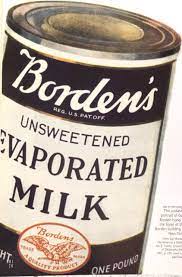
To ensure the quality and safety of the product, the inventor developed strict sanitary rules for those who sold him raw milk. They included washing cows’ udders, keeping barns clean, scalding and drying strainers.
Real success befell the inventor after he met businessman Jeremiah Milbank. The latter became his investor and partner. Milbank knew large-scale financial principles. He invested approximately $100,000 in this business. They founded the New York Condensed Milk Company and opened a factory in Brewster in 1861. Gail created a long-lasting product that did not require refrigeration.
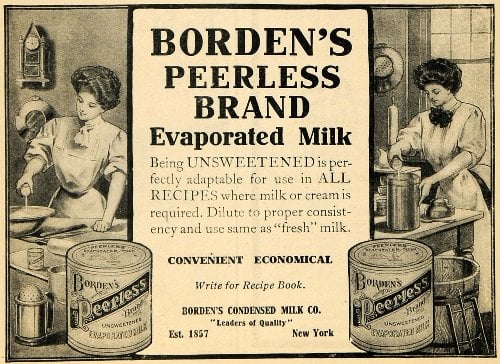
The invention gained popularity among city dwellers who did not have access to safe milk. Business flourished when Borden received contracts to supply the Union Army. Officers bought lots of the product for their soldiers. Soon, the entrepreneur opened many new plants in New York and Illinois. Along with the expansion, Gail took care of sanitation. He developed the rules of purity, which are still in use in the 21st century.
Last years
Even after the success, Gail conducted many investigations. He patented the thickening of fruit and berry juices, the preparation of beef extracts and the concentration of tea, coffee and cocoa. The inventor tried to introduce these products to his company. Still, condensed milk was the most popular product.
The inventor died on January 11, 1874 in Colorado County, Texas. His body was sent by car to Woodlawn Cemetery.
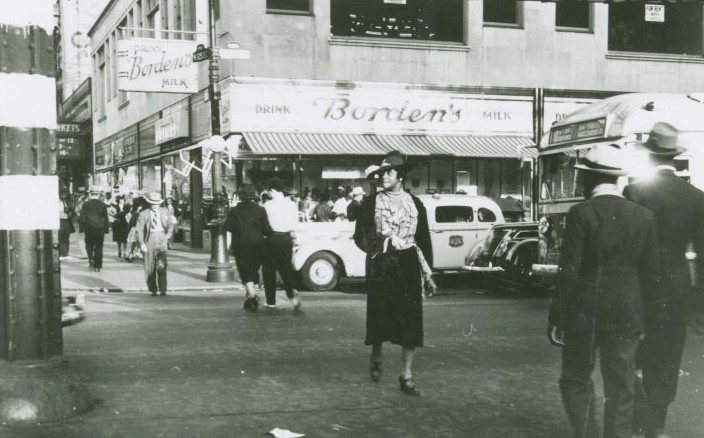
In 1899, the company was renamed to honor its creator, Borden Inc. It continued to be a powerful enterprise. In the 1940s, it had 28,000 employees and 50,000 shareholders. Here, not only fresh and condensed milk but also casein (a protein formed during the thickening of milk, which contributes to the growth of muscle mass and body shape correction), animal, pharmaceutical, soybean products and vitamins were produced. The company launched the Borden Award in 1937. It is presented annually as a gold medal and $1,000.
The entrepreneur has never been to Borden County, which was named after him. In addition, the county seat and the city of Borden were named after the inventor.