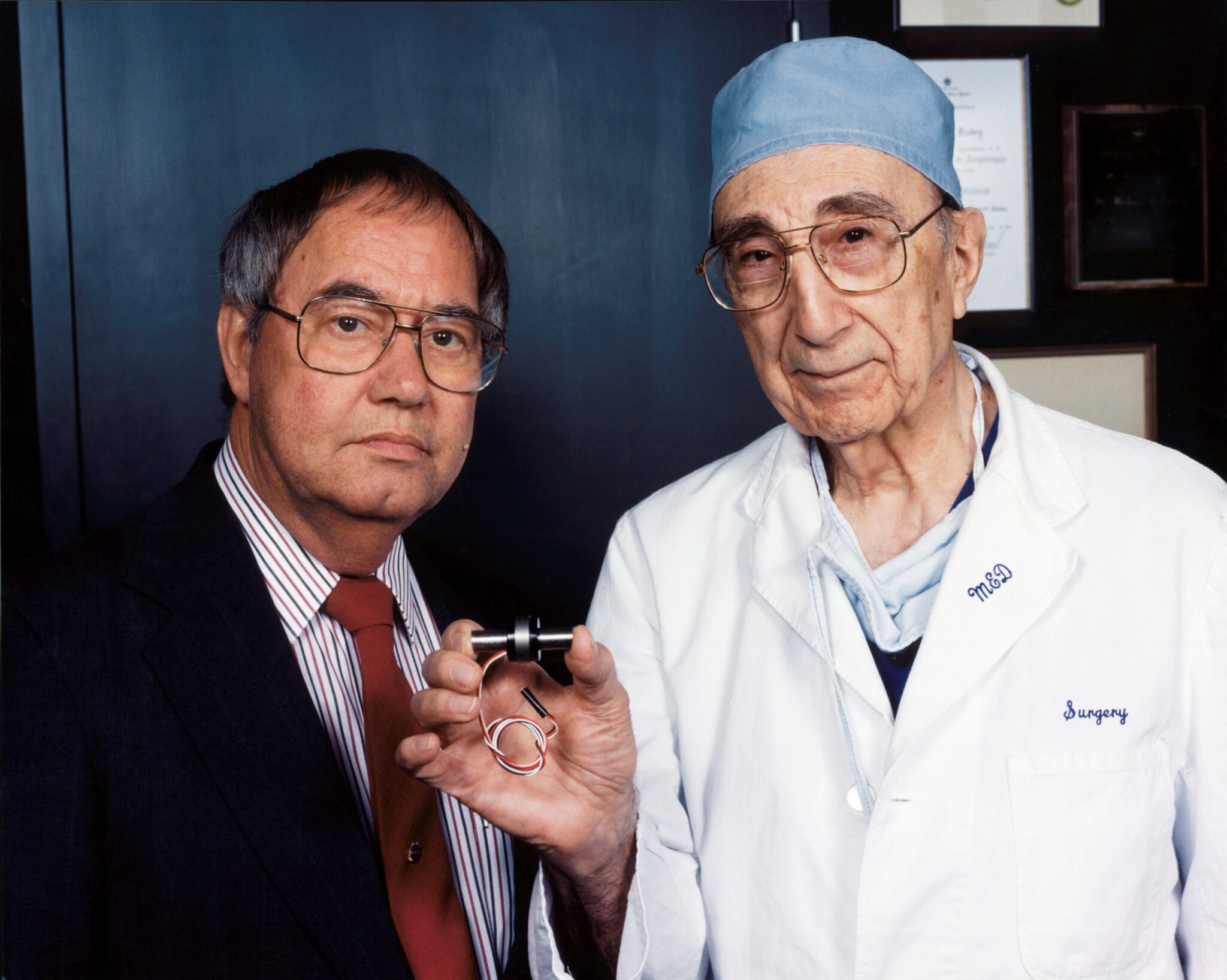

Michael DeBakey, a cardiovascular surgeon from Houston, understood the demand for human heart transplantation like no other. He spent years creating a partial artificial heart, known as a ventricular assist device (VAD). In 1963, a significant breakthrough was made in the treatment of cardiac failure. DeBakey implanted a left ventricular assist device (LVAD) in a patient with severe cardiac insufficiency. In the 1990s, he introduced a VAD capable of maintaining a weakened heart for months. Read more at i-houston.
Who is Michael DeBakey?
Heart surgeon DeBakey is one of the most influential doctors of the 20th century, renowned for his operations on the heart and blood vessels. He performed surgical procedures to bypass obstructed arteries in the neck, legs, and heart of patients from all corners of the world. Michael put a lot of effort into making Houston a center of cardiovascular surgery. Owing to him, Baylor College of Medicine became one of the largest medical education and research institutions in the United States.
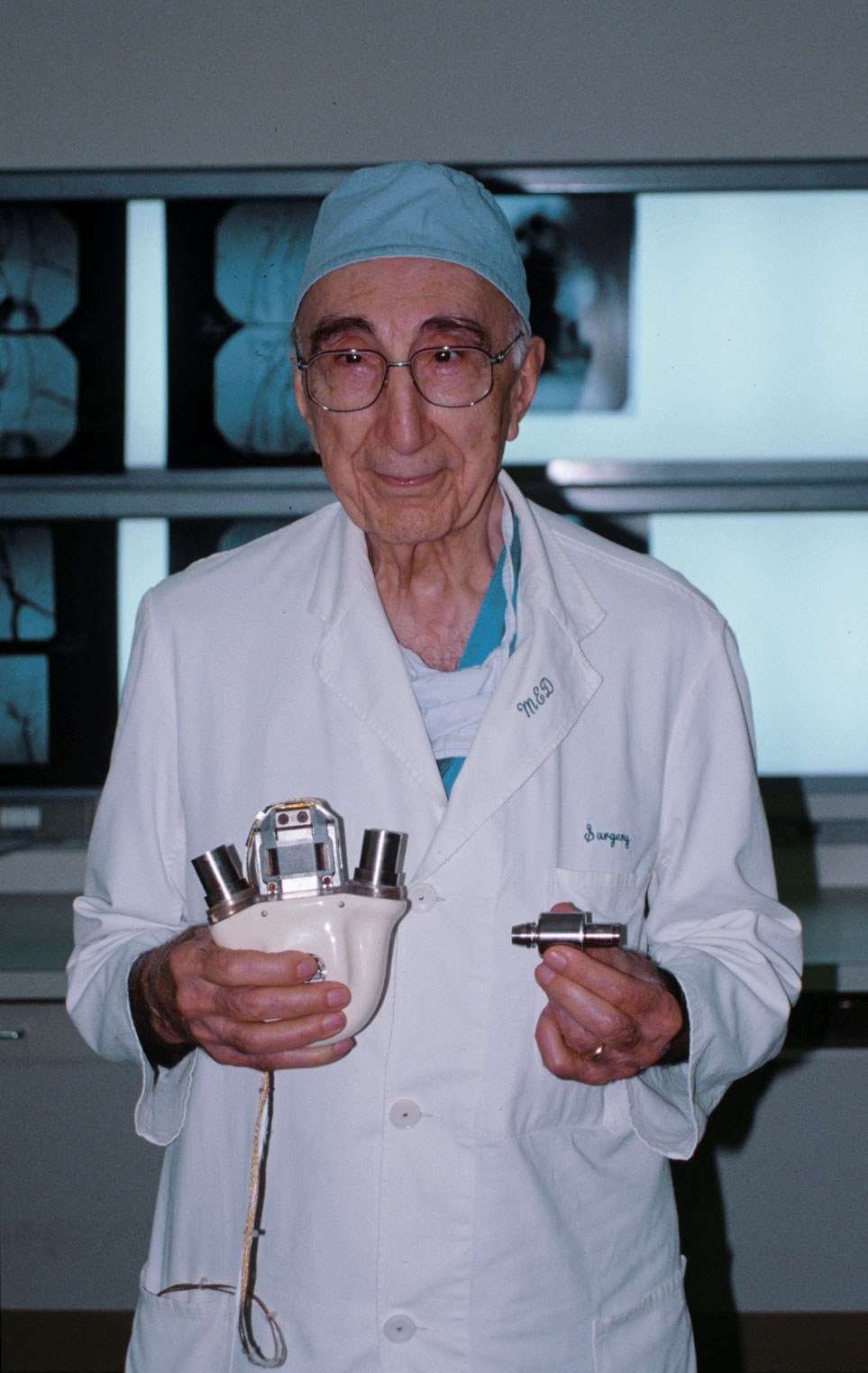
The doctor practiced surgery until he was 90 years old. He conducted over 60,000 operations during his career. Additionally, he developed mechanical devices to help people with heart conditions. In his student days, DeBakey devised a roller pump for blood transfusions. Later, it was used in heart-lung machines, which perform the functions of the heart and lungs during operation. This was the beginning of a new era of open-heart surgery.
Interestingly, many of Michael’s surgical innovations and observations were not initially accepted by the scientific community. For example, it was already in 1939 that he noticed a connection between smoking cigarettes and lung cancer, which other doctors did not believe. In 1952, Michael and Denton Cooley were the first in the United States to remove an abdominal aortic aneurysm.
Furthermore, DeBakey was the first surgeon to perform a procedure on the aorta near the ventricle using a Dacron graft, which replaces blood vessels. Before this operation, aneurysms and ruptures of the aortic wall often led to death. Later, Michael was involved in the creation of a machine for producing Dacron grafts. He also developed a technique for repairing aneurysms and was the first in the world to restore disturbed blood flow in the carotid artery.
Work on VAD
When cardiopulmonary bypass machines appeared in the 1950s, DeBakey and his colleagues began employing them during open-heart surgeries. In 1964, he successfully performed a heart bypass, which is a cardiac operation to restore normal miocardial perfusion. In addition to surgical treatment, Michael also developed full and partial mechanical hearts and cardiac assist devices.
In 1963, Michael successfully implanted LVAD in a patient with severe heart failure. This mechanical pump is implanted in the chest and helps pump blood from the ventricle to other parts of the body. It was designed to allow the ventricle to rest and recover.
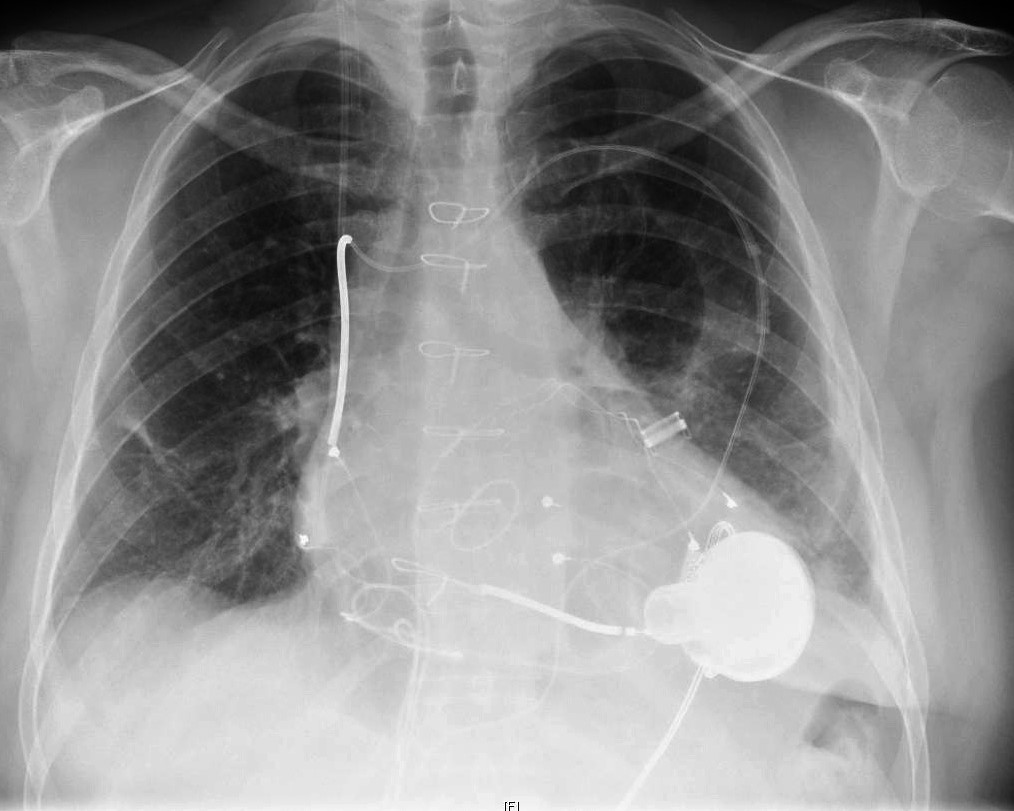
In 1966, DeBakey implanted this device in a 37-year-old patient, thus providing mechanical support to the heart for 10 days after surgery. This allowed to disconnect the woman from the heart-lung machine during this time. Michael removed the device on the 11th day when the cardiac function of the patient improved.
During the 1970s, cardiovascular research was aimed at achieving long-term circulatory support using such devices. Subsequently, left ventricular assist devices began to be used during heart transplantation, as enhanced medical therapy reduced the chances of organ rejection or infection. Transplantation became a viable alternative for treating heart failure.
In the 1970s, national health institutes financially supported medical studies to achieve long-term assisted circulation. At that time, neither transplantation nor artificial hearts were considered reliable options. The first successful implantation of VAD was conducted in Boston in 1988. Early VADs imitated the heart through a pulsation effect. Blood from the left ventricle was sucked into the pump and then pushed out into the aorta.
Therefore, VADs are utilized to maintain the heart while waiting for other treatment methods, such as heart transplantation. In some cases, VAD serves as a permanent aid for the heart to pump blood. The device is usually placed in the left ventricle.
Debakey VAD
DeBakey was very concerned about the patients with cardiac insufficiency who waited for heart donors. Therefore, in 1988, employing an innovative NASA fuel pump, he created a device capable of keeping a weakened heart for months while searching for a donor. He introduced the miniature axial-flow ventricular assist device – DeBakey VAD.
In 1996, a commercial company, MicroMed Technology, was founded. It continued the development of pumps and animal testing, which was followed by clinical trials. The final pump was made of titanium. The first continuous-flow VAD was implanted in a patient who was awaiting a transplant in Berlin in 1998.