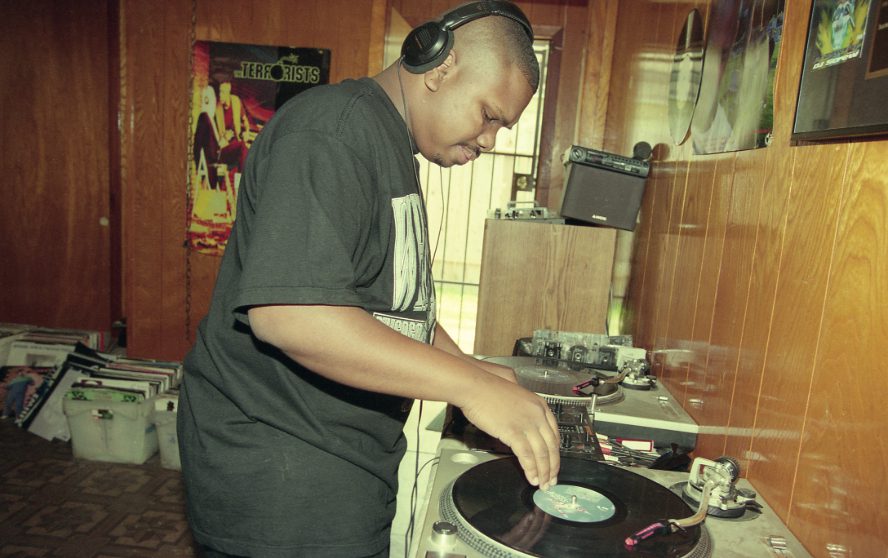

The “godfather” of Houston rap DJ Screw released over 350 mixtapes and was recognized as an innovator in the hip-hop industry. The DJ became so famous thanks to his invention, the unique chopped and screwed genre. It combines a slow tempo and diverse unusual techniques. This genre became not only one of the key components of Southern hip-hop but also greatly influenced mainstream pop music throughout the United States. DJ’s premature death from a drug overdose in 2000 cemented his legendary status. Read more at i-houston.
Who is DJ Screw?
Robert Earl Davis Jr. (his real name) was born on July 20, 1971, in the Texas city of Smithville. His father worked as a long-distance trucker. When Robert’s parents got divorced, his mother moved with the children to Los Angeles for a while, then to Houston, and returned to Smithville in 1980. Robert was 9 years old at the time.
As a child, the boy dreamed of becoming a truck driver but got interested in music after watching a movie about breakdancing. This passion encouraged Robert to take piano lessons. After 7 years of practice, he masterfully played works of classics, including Frederic Francois Chopin. His musical preference changed when he listened to his mother’s records with B.B. King and Johnnie Taylor. Robert tried slowing down and speeding up the disc spinning, experimenting with the sound, just like DJs.
At the age of 12, Davis started DJing. 7 years later, he was already creating his signature slowed-down mixtapes. He made them as special compilations on order from friends and singers. When his friend Toe offered Robert $10 for his mixtape, the DJ decided to put his creations up for sale. Later, the Houstonian began to attract new clients.
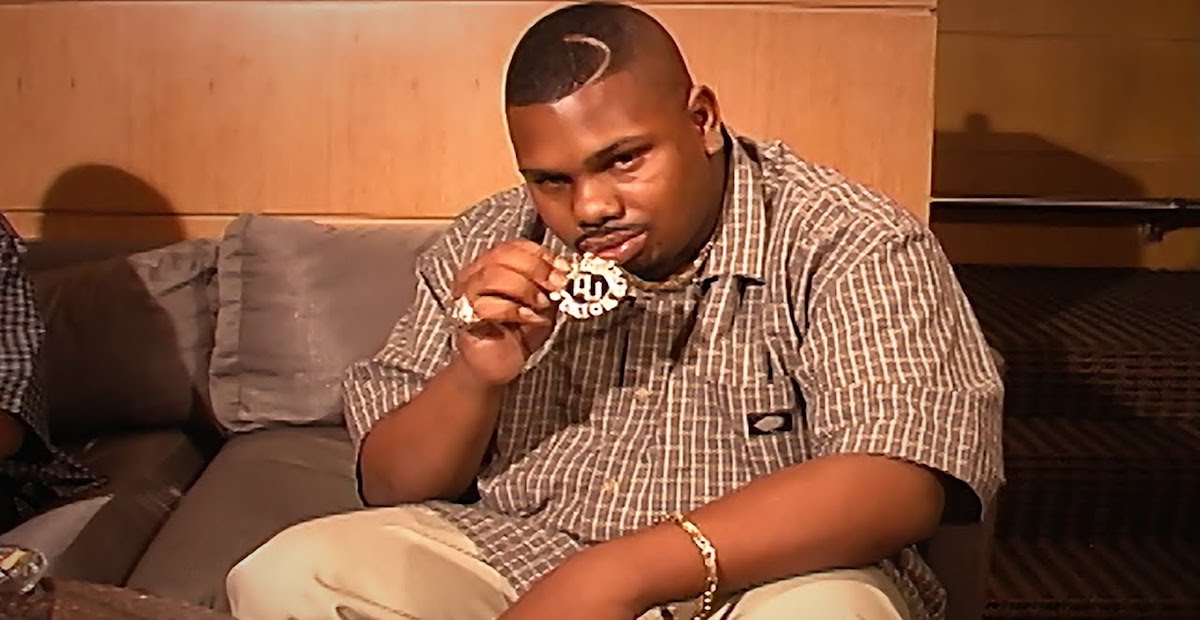
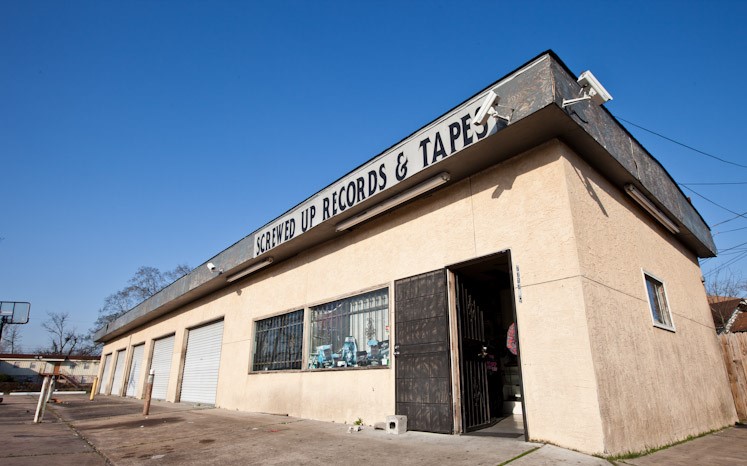
In the early 1990s, he invited some local rappers and founded the group Screwed Up Click. Members of this collective are considered key figures in the history of Houston hip-hop. In addition, DJ Screw owned a store called Screwed Up Records and Tapes in Houston, located at 7717 Cullen Blvd. It was featured in numerous music videos and films. In the early 2010s, this shop was closed.
Chopped and screwed
Like any art form, music refuses to stand still. It reflects the environment in which it is created. The constant heat in densely populated Houston is more suitable for a slower rhythm than other South American cities. The Houston sound is noticeably different from the tunes on the East and West coasts of the United States. By the end of the 1990s, most Southern hip-hop songs were upbeat and fast, while Houston’s rap style remained slow.
This trend of musical relaxation was established in the late 1980s by DJ Screw. He accidentally created a slowed technique while having fun with friends in an apartment. The DJ found that rapidly reduced pitch level made the sound softer and heavier, emphasizing the words and message of songs. Chopped and screwed is both a musical genre and a remixing technique that involves slowing down the tempo.
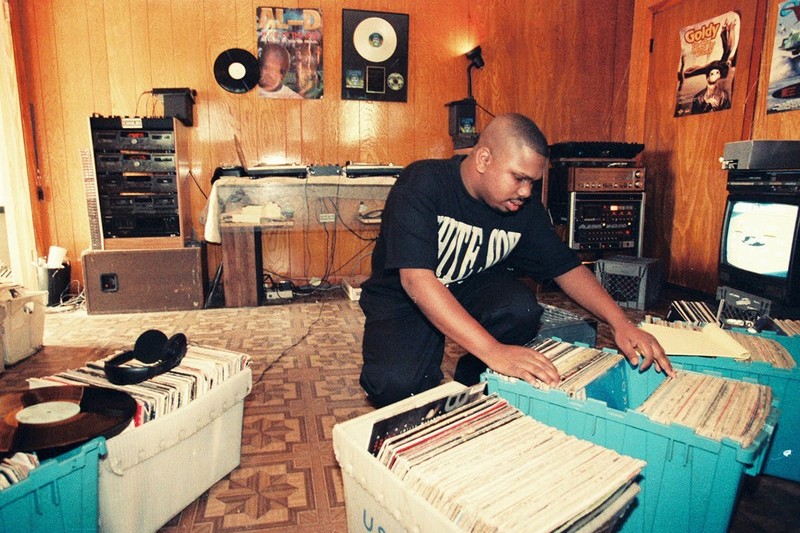
Later, DJ Screw combined rap singles and vocals of local and other artists, convincing them to slow down the rhythm. He also “chopped” song lyrics to create new meanings and distorted voices. Among the hundreds of mixtapes released during DJ Screw’s lifetime, the song Tell Me Something Good (1995) is the best example of the new genre. The heavy, syncopated bass line permeates the melodic structure of the piece. Keyboard elements and reverberating backing vocals are discordant with the bass, creating an effect of drama and grandeur.
The influence of purple drank
It is believed that the creation of chopped and screwed was influenced by lean – a recreational narcotic drink that emerged in the 1960s Houston music community. This drug is a blend of cough syrup with codeine, soda and caramel. Lean is also called “purple drank” because cough syrups often have a distinctive purple color.

The physiological effect of this drug causes mild euphoric side effects, such as impaired motor skills, drowsiness and slowed reflexes. Excessive consumption of lean is dangerous as it can lead to respiratory arrest. Mixing alcohol and other drugs with lean enhances the likelihood of breathing troubles.
Lean had a significant impact on the creation and listening of chopped and screwed music due to its brain-slowing effect. The genre, introduced by DJ Screw, has since evolved into a Houston subculture associated with recreational codeine use, luxurious jewelry and vintage cars.
In November 2000, the DJ was found dead in his Houston recording studio. The autopsy revealed that the 29-year-old Davis died from a combination of codeine, marijuana and alcohol. After DJ Screw’s death, his musical influence spread throughout the southern United States. He left behind a cult of followers who call themselves screwheads. The chopped and screwed genre was then added to various music platforms such as iTunes and Spotify.
A few interesting facts about the innovator
- DJ Screw bought his first turning-tables at the age of 10 in a car shop. His parents told about it in the documentary DJ Screw: The Untold Story.
- When the DJ just started creating mixtapes, he was very critical of himself. If Davis found a recording he didn’t like, he would literally take a screw and scratch the record so that no one else could play it again. That is why his friends called him DJ Screw.
- His favorite rapper was C-Bo. He is an American rapper from California who sold over 3.5 million albums during his career without being signed to any major label. DJ Screw worked with almost all the rap groups on the Houston rap scene. However, he preferred C-Bo among others.
- He once made a mixtape specially for American basketball player Glenn Robinson. When the former NBA star heard one of DJ Screw’s tracks, he sent him a personal request to create a personal tape. It was normal practice for the DJ. He often fulfilled individual requests for clients from different parts of the United States.
- His records were so popular that the police thought he was selling drugs. Before the DJ had his own shop, he sold tracks in his garage. The demand was so great that cars lined up around the block before Davis even opened the garage door. As a result, the police broke down his door, thinking he was selling drugs.
- DJ Screw was a true workaholic. He created over 350 mixtapes.
- In the mid-1990s, the Houstonian refused to sign a contract with Priority Records. The label then collaborated with such hip-hop legends as Snoop Dogg, Jay-Z and Ice Cube. Although DJ Screw was not famous across the country, the Houston rap scene knew him well. Money was not as important for the DJ as the desire to create with his team.