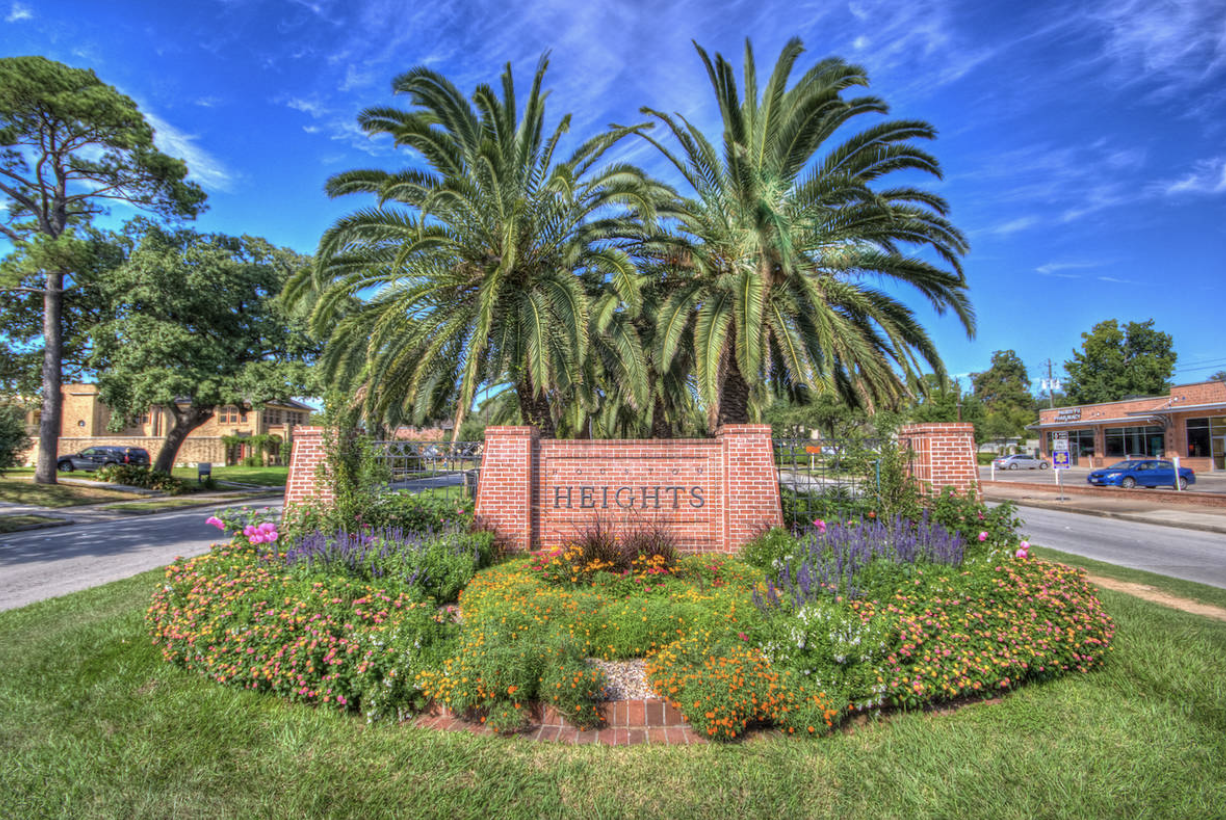

Houston is made up of more than 80 neighborhoods. Several of these are very notable. For example, Uptown is the largest in terms of size and boasts large shopping centers. Montrose is the most creative, featuring renowned art galleries. Downtown Houston is the heart of Houston, where global corporations have their headquarters. However, Houston Heights is not only the oldest neighborhood, but it also serves as a kind of guardian of the city’s historical heritage. We will talk about it further at i-houston.
Founding of a green city
When Houston became a true metropolis rather than a small town in the late 19th century, it grew noisy and busy. Then, two visionary developers Oscar Martin Carter and Daniel Denton Cooley decided to establish an elite neighborhood outside of the city. To do this, they purchased 1,700 acres of land, which would eventually become Houston’s first designed neighborhood. They began realizing their ambitious goals with a solid development plan. According to their idea, it was supposed to be a self-sufficient community with reliable infrastructure, comfortable housing, schools and shops, all of which had to be surrounded by an abundance of green spaces. The fundamental idea that guided Carter and Cooley was the development of a city full of gardens. It was planned to be a calm yet prosperous area, free of the hustle and bustle typical of larger cities. After careful planning, they began implementing the project.
Youth-oriented area
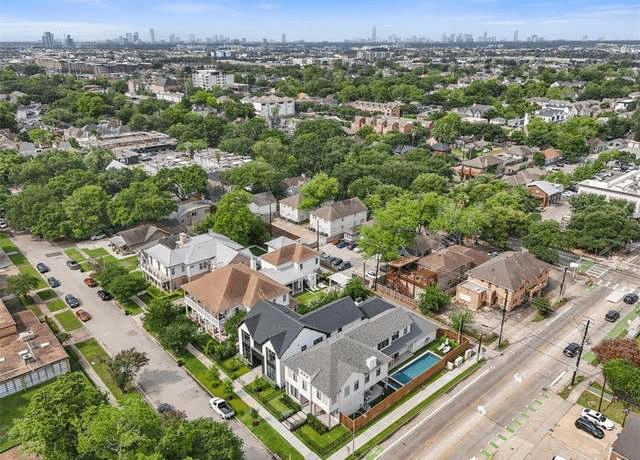
Even before the territory’s development began, the concept of a garden city attracted a lot of people. New settlers chose this area for a variety of reasons. Some sought to get away from Houston’s bustling city center. Others picked it because there was enough opportunity to start their own business. Others saw the potential in it, thus it was a form of investment. Another tendency among settlers of the new neighborhood on the outskirts of Houston was their young age. This was owing to the fact that the cost of renting housing was not yet too expensive, therefore young people picked it specifically for that reason. The area gradually developed into an agricultural center, complete with orchards, nurseries and dairy farms.
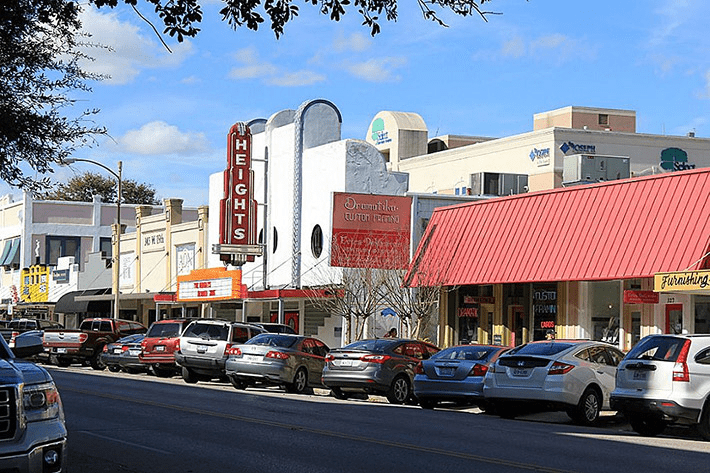
In 1893, an electric tram line connecting the new neighborhood to downtown Houston was officially opened, marking a watershed moment for the Heights. The area came to be even more appealing to potential residents. It became easier to get to work, which significantly boosted the district’s economic growth. Along the route, various commercial establishments began to spring up like mushrooms after the rain.
Architectural heritage
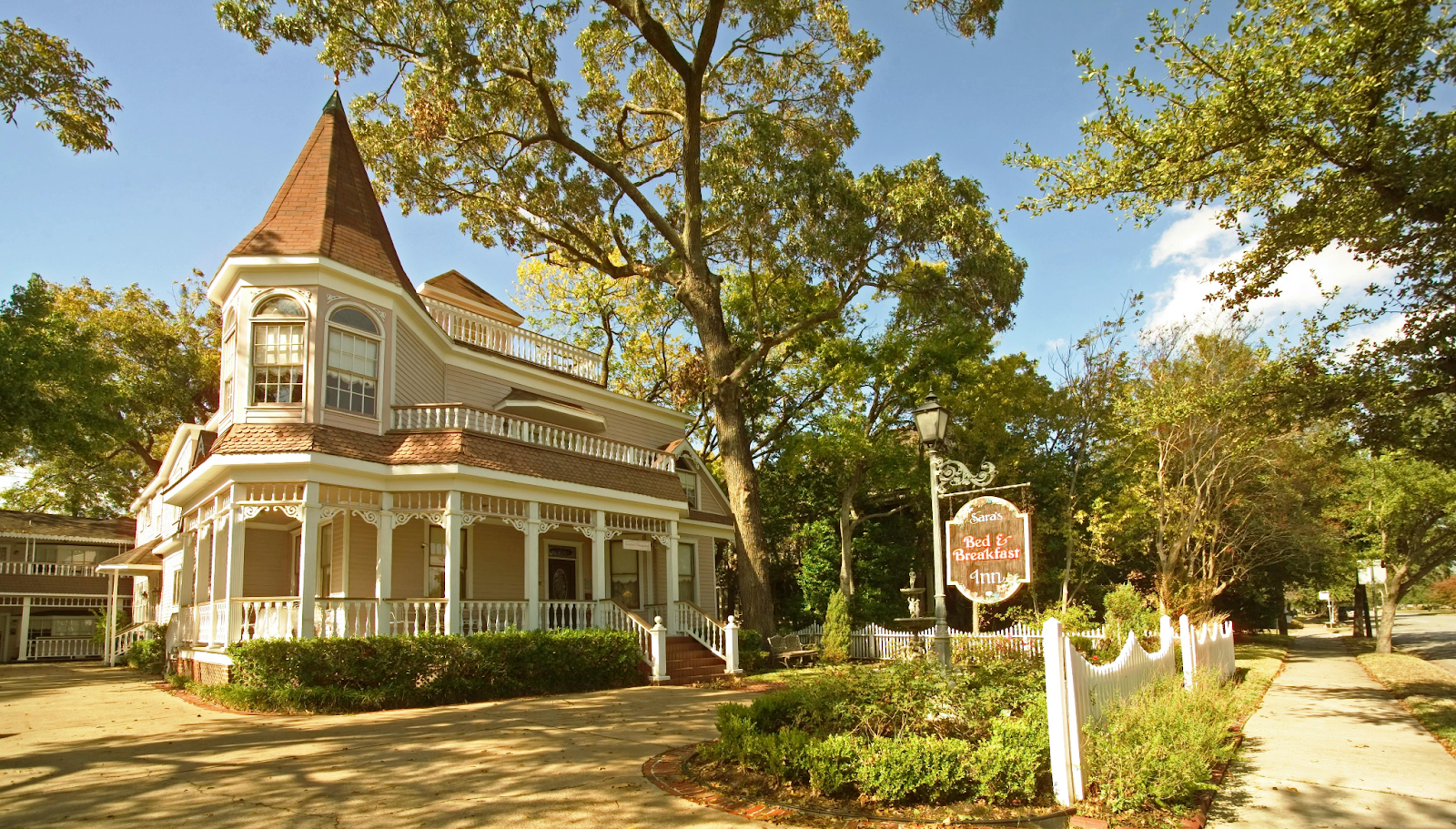
Even today, the Heights’ unique Victorian architecture remains its main attraction. Each structure here has a unique history, whether it’s a craftsman’s house or a peasant hut. Surprisingly, such a diverse combination blends seamlessly into the surrounding landscape. Behind the structures of the Heights, you can learn about the aesthetic preferences of its earliest occupants as well as the evolution of American architecture. In 1973, homeowners established the Houston Heights Association to preserve these colorful homes. It took them great effort, but they were able to save the structures from a devastating project that called for the demolition of the old buildings and the development of high-rises. Nowadays, walking around the region now feels like you’re taken back in time, as many of the houses are over a century old. They are well preserved and, thanks to proper care, everyone can admire the historic architecture of the last century today.
Cultural center and community spirit
However, Heights encompasses more than just Victorian architecture. This is Houston’s artistic hub. At the dawn of its foundation, the neighborhood was settled by talented but poor people. They eventually made a fortune but never left their place of residence. As a result, this area is home to a vast cultural and artistic elite. As a result of their long-standing interaction, the residents of the neighborhood have created a number of fascinating traditions. Every year, a variety of festivals take place here. One of the most popular is the White Linen Night. They celebrate this holiday in August. Everyone who wants to join the event should dress in white. They walk the streets, stopping by galleries, shops and restaurants. It celebrates culture, art and music. The Lights in the Heights festival is another event they adore. It is held throughout the Christmas holidays. Before Christmas, the neighborhood’s residents decorate their homes, trees and fences with different lights. So, when it gets dark in the evening, it produces an incredible sight. Many travelers visit Houston around this time to view this spectacular holiday decoration firsthand. The Lights in the Heights is more than just a festive event, it also reflects the Heights community, as residents gather together to create a unique atmosphere of joy and unity. The Crawfish Festival, celebrated by Heights residents in late spring, is more prosaic but equally popular. This is a celebration of freshly boiled crawfish and music. During it, local bands hold competitions for the greatest rendition of their works.

Gastronomic diversity of the Heights
Another highlight of the region is the abundance of restaurants, diners and cafés where you can grab a quick snack, a full meal or order a beautiful dinner to commemorate an important event. There are plenty of restaurants in the area. They offer practically every cuisine of the world, ranging from local Texas-Mexican with its spicy flavors to refined European in a variety of interpretations.
Transformation and future prospects
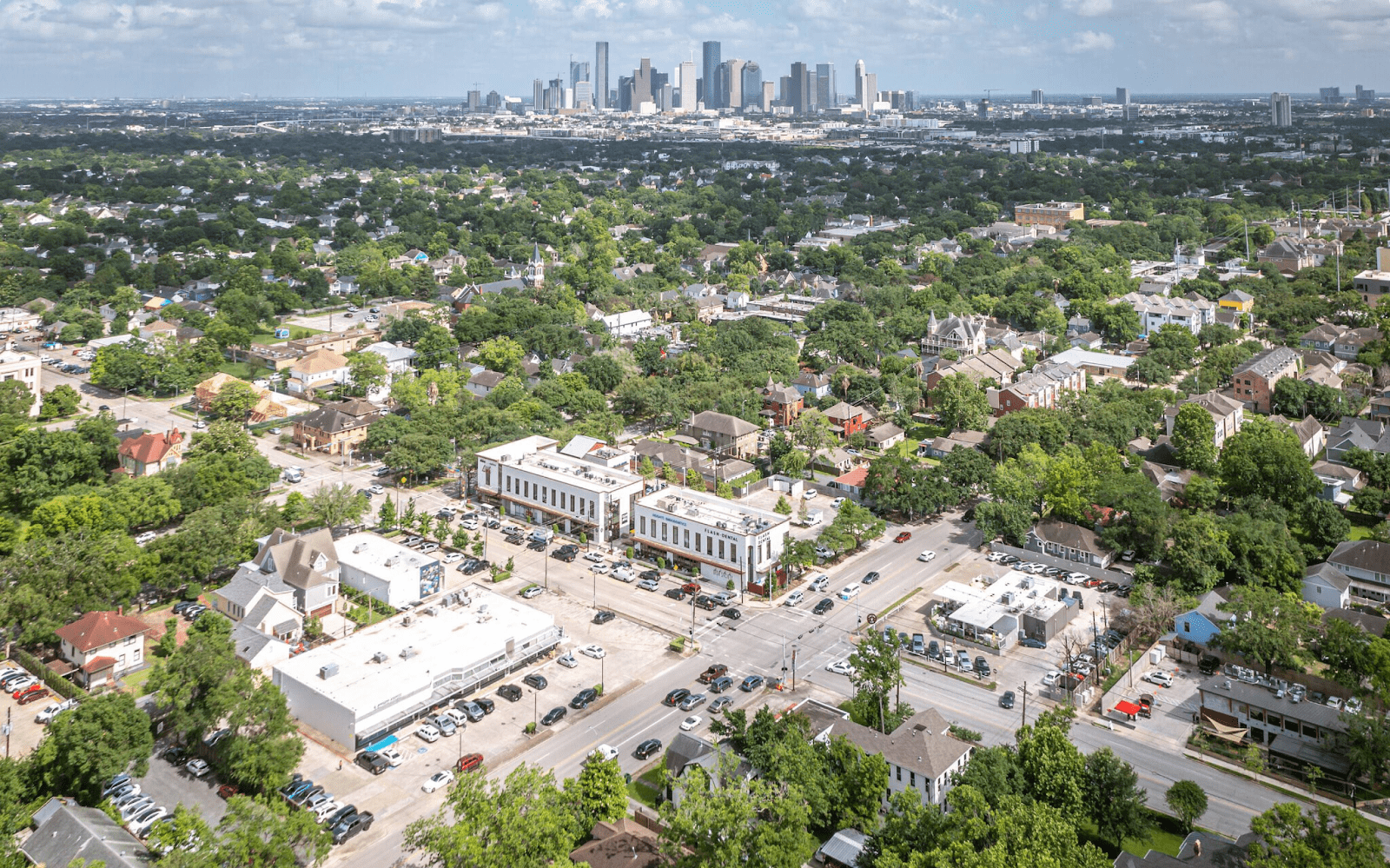
In the mid-twentieth century, the Heights region experiences a decline. With the building of new neighborhoods, a number of wealthy residents of the Heights began to relocate there. However, this only revitalized the region. As rental housing costs dropped, young people with low incomes were eager to take advantage of the opportunity to save money. As a result, by the early 1990s, the Heights was mostly populated by youthful, creative and intellectually skilled specialists. The Heights has been one of Houston’s most popular and affluent neighborhoods since the turn of the twenty-first century, recognized for its picturesque streets, independent businesses, restaurants and cafes. It has preserved its historical architecture and attracts those who appreciate the classic style and community spirit. The most challenging thing for the neighborhood right now is finding a balance between progress and preserving its historical charm. So far, they have managed to cope with it by successfully combining modern amenities while maintaining the legacy of previous generations.
Community cohesion
Despite the Heights’ fascinating diversity, the coherence of the residents, which they frequently talk about, cannot yet be evaluated. Residents of the district were put to the real test in 2017 when Hurricane Harvey devastated the region. The flood it caused swamped a large portion of the Heights. As a result, numerous businesses and residences were damaged or entirely destroyed. However, no one stood aside or dealt only with their own problems. Everyone came together and helped each other endure the natural disaster. Although the restoration required a significant amount of time and resources, the area was able to regain its beauty and grandeur.
Over its hundred-year history, Heights has gone through a difficult path of development from a provincial suburb to a cultural center of Houston. Despite all of the challenges and obstacles, as well as the ups and downs, the district masterfully blends the past with rational transformation while maintaining its identity and distinctiveness.